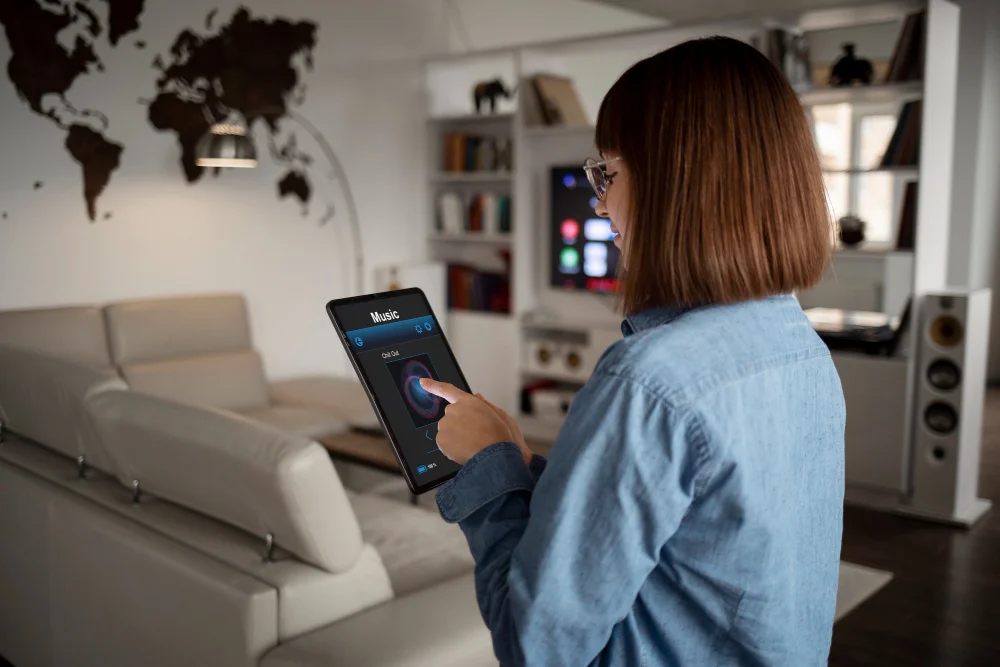
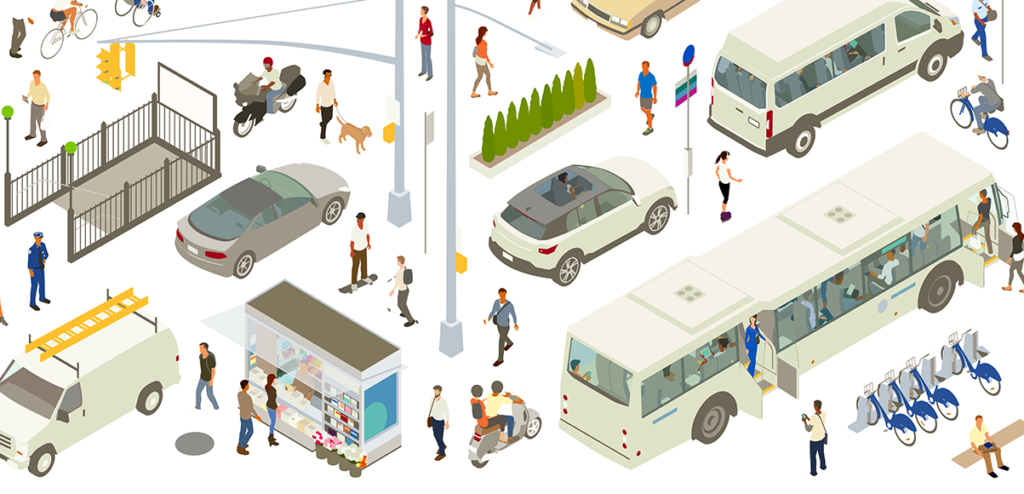
Think about how much easier it is to get around today compared to just a few years ago. You pull out your phone, tap an app, and instantly see when your bus will pull up. You can check highway traffic before backing out of your driveway, find an open charging station for an electric car, book a ride in seconds, or switch your route the moment an accident backs up the road ahead. Most of us use these tools so naturally every day that we hardly even stop to think of them as high-tech tools anymore. That quiet, everyday convenience sits at the very heart of smart transportation.
Smart transportation is not about futuristic flying cars or science-fiction highways covered in shiny gadgets. Strip away the buzzwords, and it comes down to something very practical: using everyday technology, live updates, connected systems, and clear information to make traveling easier, faster, and far less stressful. Some of these updates are sitting in our pockets right now, while others are slowly working their way into modern cars, city buses, train networks, and urban streets.
As our work routines and personal lives keep evolving, the way we move has to keep up. People want reliable travel times, accurate updates, hassle-free payments, cleaner travel choices, and transit options that simply fit into their daily schedules without any added headaches.
What Smart Transportation Actually Means in Everyday Life
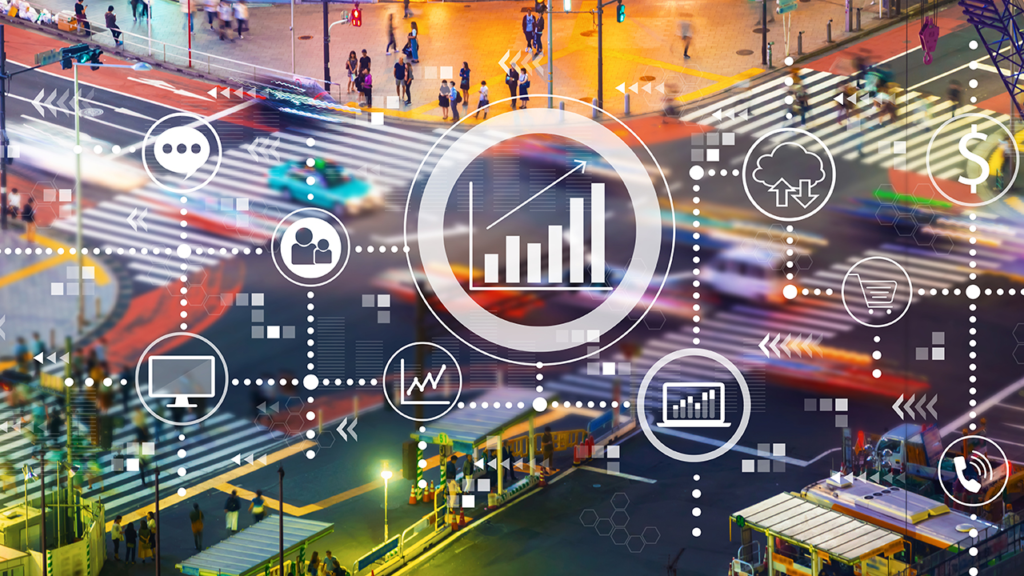
The phrase “smart transportation” sounds like a term invented by corporate marketers or tech engineers, but the idea behind it is straightforward.
It means using basic digital technology to make getting from place to place work better.
You see it in simple moments: your map app pointing you down a back street because the main road is jammed, a transit app warning you that your commuter train is running fifteen minutes behind, a dashboard warning you about slippery roads ahead, or an electric car guiding you directly to an available charging bay.
Behind all of those quick interactions, simple technologies are gathering and sharing information behind the scenes. This helps regular people make better decisions before they step out the door or while they are sitting behind the wheel.
Smart transportation covers pretty much every way we move:Personal cars, trucks, and electric vehicles
City buses, commuter trains, and underground metros
Bicycles, e-scooters, and walking pathsTraffic lights, highway monitors, and garage spaces
Mobile apps, digital payment setups, and charging networks
The exact hardware or software does not really matter to the average person. What actually matters is whether it helps someone get home from work faster or makes a trip across town feel a little easier.
Your Smartphone Is Already Doing the Heavy Lifting
You do not need to buy a brand-new, expensive luxury car to experience smart travel today. For millions of people, the entire shift started right in the palm of their hand.
The phone in your pocket has basically become a personal command center for moving around. Long before you walk out your front door, you can check live traffic along your usual commute. If the roads look terrible, you can head out early or take a different bridge. If you are driving somewhere you have never been, voice directions walk you through every single turn so you never have to pull over and stare at a confusing paper map or read street signs at the last second.
Public transit apps mean you do not have to stand out in the rain wondering if you just missed your bus or if it is running late. Ride-hailing apps connect you with nearby drivers in a couple of taps, while digital maps point out open parking spots, bike lanes, and construction detours before you run into them.
When you add up all these little perks, they completely change how we plan our days.
Instead of setting out completely blind and just hoping traffic behaves, we can react to real conditions as they happen.
How Connected Cars Are Changing the Drive
Cars are no longer just metal boxes with four wheels and a mechanical engine built to carry us from point A to point B. They are gradually turning into connected digital hubs.
Most modern cars sync up with smartphones, satellite maps, streaming audio, and built-in safety alerts. The front dashboard has transformed from a simple cluster of needles and dials into a clear digital display that keeps drivers informed without creating dangerous distractions.
A connected car keeps track of your route, current traffic, weather conditions, and mechanical health as you drive. For anyone behind the wheel, that connectivity makes daily driving feel a lot smoother:
You can answer calls, listen to messages, or change directions using voice commands while keeping your hands on the wheel.
The car can warn you about mechanical issues or oil changes long before you end up stranded on the side of the road.
Real-time alerts give you a heads-up about sudden slowdowns, bad weather, or accidents right around the bend.
he big picture here is simple: individual cars are no longer operating all by themselves. They are becoming active pieces of a much larger, connected traffic network.
Electric Vehicles and Digital Infrastructure
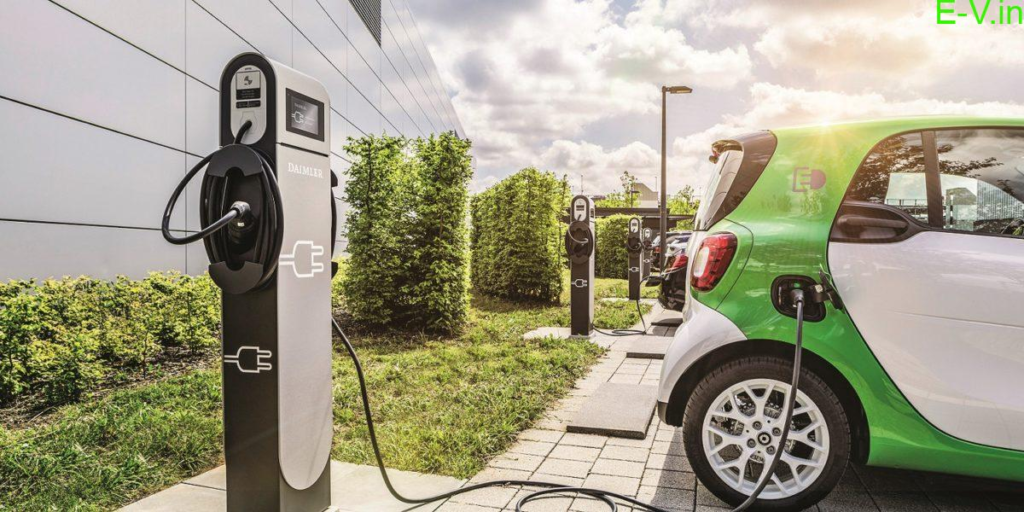
Electric vehicles have taken center stage in discussions about the future of driving. But going electric is not just about pulling out a gas tank and dropping in a battery pack. It completely changes how vehicles connect to digital networks.
Driving an electric vehicle relies heavily on smart software. EV owners routinely rely on mobile apps and dashboard systems to manage their trips:
Finding open charging stations along a long road trip so they do not get stuck with a dead battery.
Checking charging speeds, battery levels, and estimated driving range in real time.
Reserving charging spots in advance or paying for electricity automatically through an app.
Setting home chargers to turn on late at night when electricity rates are lower.
f you are used to driving a gas car and stopping at a gas station whenever the low-fuel light pops on, switching to an electric vehicle requires a slight shift in mindset. Traveling becomes linked with knowing where to power up. As charging networks continue to expand into small towns and big cities alike, smart digital tools keep that shift from feeling overwhelming.Making Busy City Streets a Little Less Frustrating
Almost nothing ruins a morning faster than sitting completely still in bumper-to-bumper traffic, watching the clock tick closer to your start time. Gridlock is a massive headache for growing cities, burning up valuable time, wasting fuel, and driving up pollution.
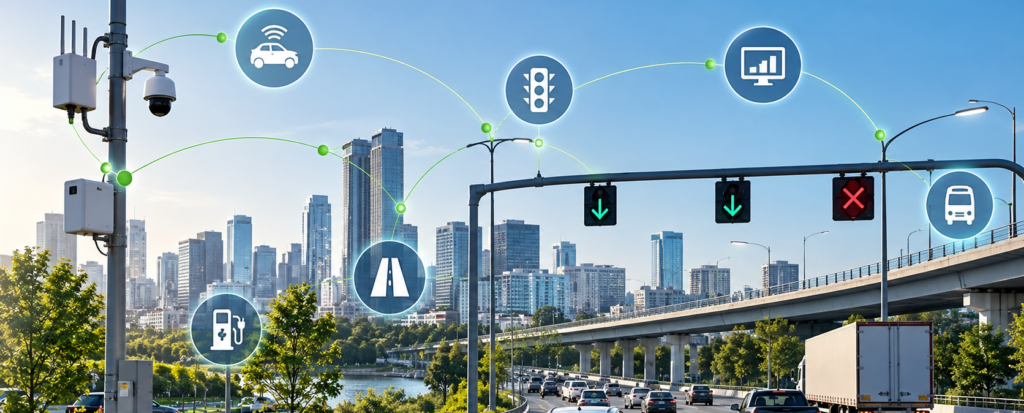
o fight back, city traffic departments are testing smart traffic management tools that help roads adapt to heavy flow in real time.
By placing basic roadside sensors, overhead cameras, and data feeds along major avenues, traffic teams can see exactly where cars are backing up.Smart traffic signals are a huge upgrade over traditional, fixed-timer lights that change every sixty seconds no matter what. Intelligent traffic lights can tweak their timing based on actual demand—keeping a light green longer to clear out a massive rush-hour wave or clearing out a bottleneck near a stadium after a ballgame endsNo system is ever going to clear away every single traffic jam—that is just not realistic in a crowded, growing town. The real goal is using clear data to keep traffic moving as steadily and safely as possible.
A Digital Overhaul for Buses and Trains
Smart transportation is just as vital for shared public transit as it is for personal cars. For millions of commuters, city buses, subways, and commuter trains are the main way to get to work, school, and family gatherings. Technology is bringing these essential services into the modern era.These updates directly fix some of the most annoying parts of taking public transit:
Live Tracking: GPS units mounted inside buses and trains feed real-time locations straight to your phone or to digital signs at the stop, so you always know how far away your ride is.
Tap-and-Go Payments: Passengers can pay their fare using a smartphone, bank card, or reloadable transit card instead of standing in line to buy paper tickets or hunting through pockets for exact change.Crowd Updates: Some systems can even tell you how full an approaching bus or train car is, giving you the choice to hop on or wait a couple of minutes for a emptier one.
These small changes might not seem ground-breaking on their own, but together they remove massive daily headaches. Knowing what is happening in real time makes public transportation much more reliable and way less stressful to use.
Turning Travel Stress into Clear Choices
One of the greatest things about smart transportation is how it cuts down on complete uncertainty.
Picture this: you walk out your door on your way to an important doctor’s appointment, only to discover that your usual train line is blocked by a track breakdown. If you have zero information, you might just stand on the platform for forty minutes, getting more anxious by the minute while hoping a train magically shows up.
With live alerts sent directly to your phone, you get options right away:
You spot the train delay before you even lock your front door.
Your phone app suggests catching an express bus or pulling up a ride-share option.
You switch your plans smoothly and make your appointment on time without panicking.
The technology does not fix the broken train tracks or drive the vehicle for you. What it does is give you accurate information right when you need it most, handing you back control over your own day.
How Smart Maps Simplify Every Trip
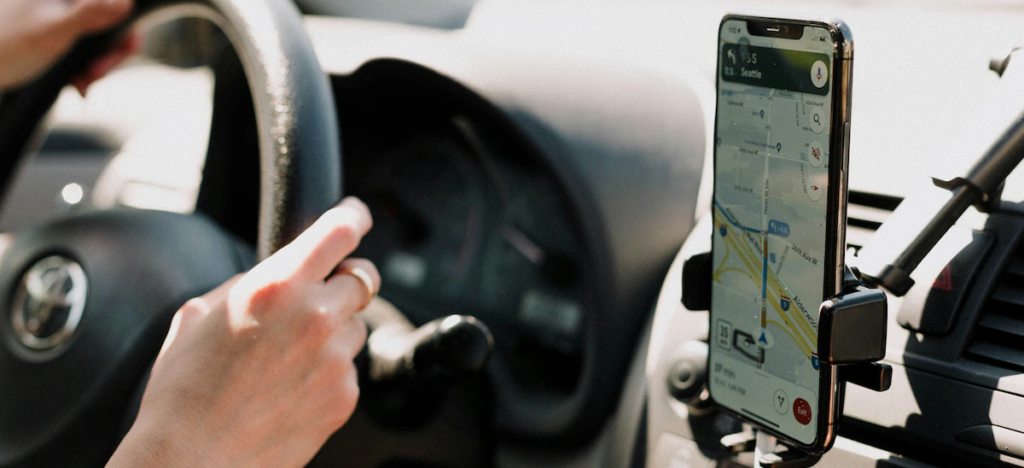
Digital mapping tools have come a long way from basic turn-by-turn directions. Modern navigation systems act like live assistants that constantly scan the road ahead for potential problems.
Smart mapping platforms offer practical help for every kind of drive:
- Traffic Predictions: They spot upcoming slowdowns using historical traffic patterns combined with live user updates.
- Instant Rerouting: They automatically guide you onto back roads if an accident or construction crew blocks your lane.
- Lane Alerts: They tell you exactly which lane you need to be in well before a confusing highway interchange comes up.Accurate ArrivalTimes: They calculate realistic arrival times by combining current speed limits, traffic light delays, and live congestion data.
Even on a routine commute you have driven a thousand times, turning on a smart map can save your morning. Your usual highway route might take twenty minutes on a good day, but if an overturned truck blocks two lanes, the app will quietly guide you around the mess before you get trapped in the queue.
Taking the Guesswork Out of Urban Parking
Searching for a parking spot is easily one of the most annoying parts of driving into a busy downtown area. Arriving at your destination only to spend fifteen painful minutes circling block after block burns through gas and pushes up your stress levels.
Smart parking technology targets that exact annoyance by helping drivers find open spots without the endless circling:
- Underground road sensors detect whether an on-street parking spot is empty or taken.
- Parking garages broadcast their live open-space counts directly to navigation platforms and street signs.
- Mobile payment apps let you pay for parking, extend your time remotely, and locate garage openings right from your phone.
Parking might seem like a minor detail in the big picture of city travel, but streamlining it cuts down on unnecessary traffic and makes trips into downtown areas much smoother.
Flexible Ways to Move Without Owning a Car
Owning a personal car is no longer the only way to get around easily. The rise of ride-hailing services and shared micro-mobility options has completely changed how people think about personal transportation.
Using a single app, you can hail a car, check the price upfront, watch the driver approach on a map, and pay automatically when you get dropped off. In many cities, shared electric bikes and stand-up scooters offer similar flexibility for short trips across neighborhood streets.
This shift makes it easy to mix and match different ways of moving depending on what makes sense for that specific trip:
- Quick local errands: Grab a shared e-bike or scooter to pop over to the local market without worrying about parking.
- Daily work commutes: Take the subway or commuter train to zoom past highway gridlock.
- Late nights or heavy rain: Book a direct ride-share car right to your front door.
Instead of needing a heavy personal vehicle for every single trip you take, you can choose the option that fits your budget, the weather, and your schedule at that exact moment.
Artificial Intelligence Working Quietly in the Background

Artificial intelligence is becoming a key engine driving modern transit behind the scenes. AI systems are great at processing mountain loads of information, picking up subtle patterns, and predicting delays before they happen.
In the transportation world, AI does a lot of practical work behind the curtain:
- Predictive Schedules: AI analyzes riding habits across the city to tell transit agencies when to add extra buses or trains to busy routes.
- Smoother Signal Timing: Machine learning constantly adjusts traffic light timing across town to cut down on idling time and lower exhaust emissions.
- Preventing Breakdowns: AI monitors wear and tear on city buses and trains, warning maintenance crews to replace parts before a breakdown stops service.
- Driver Safety: Built-in car safety features use visual sensors to monitor blind spots, warn you if you drift out of your lane, and hit the brakes automatically if a crash is imminent.
The best AI tools in transportation are rarely loud or flashy. Most of the time, AI just works quietly in the background, making existing transportation networks safer and more reliable.
The Real Story on Self-Driving Vehicles
Whenever people discuss where transportation is heading, fully self-driving or autonomous vehicles always enter the conversation.
The goal behind autonomous vehicles is simple: let onboard computers handle the driving duties using a mix of cameras, sensors, radar, and complex software.
However, moving from controlled test tracks to safe, everyday driving on public streets is a massive task. Autonomous systems have to safely deal with all sorts of unpredictable real-world situations:
- Sudden weather shifts like heavy downpours, thick fog, or blinding snowstorms.
- Erratic human drivers, distracted pedestrians, and unannounced construction zones.
- Faded lane lines, unmarked dirt roads, and missing stop signs.
Because of these real challenges, self-driving features are arriving in gradual steps. Helpful tools like adaptive cruise control and automated lane centering are already standard on many new cars. Fully self-driving cars will continue to improve alongside updated safety rules, better road infrastructure, and public trust over time.
Transportation That Works for Everyone
A great transportation system cannot just cater to people who drive personal cars every day. It has to work just as well for pedestrians, cyclists, transit riders, and people with mobility or disability needs.
Modern digital tools are helping bridge these gaps:
- Accessible Directions: Map apps can highlight wheel-chair accessible routes, working elevators inside train stations, and curb ramps along sidewalks.
- Clear Transit Announcements: Real-time visual screens and clear audio calls make navigating busy stations easier for travelers with visual or hearing impairments.
- Connected Journeys: Trip-planning tools let travelers combine walking, bus rides, and micro-mobility rentals into one clear itinerary.
When cities build smart travel systems that keep every resident in mind, moving around town becomes much safer, fairer, and easier for the entire community.
Keeping Data Safe and Private
Behind every smooth navigation alert, transit update, or digital toll payment sits a constant stream of collected data. Modern mobility systems rely on information gathered from GPS units, roadside cameras, mobile applications, and digital ticketing systems.
City planners use this data to see where traffic backs up, fix dangerous intersections, and spend public transit budgets where they will do the most good.
However, gathering location data comes with real responsibilities. People naturally care about who is tracking their movements, how that information is saved, and who gets to see it.
Building reliable smart transportation systems requires strict privacy safeguards:
- Using strong encryption to safeguard personal details and trip histories.
- Being completely transparent about what data is collected and how it is used.
- Giving users clear choices to turn location sharing on or off whenever they want.
- Putting high-level cybersecurity defenses in place to protect city traffic networks from hackers.
Protecting personal privacy and securing public infrastructure must always go hand in hand with offering digital convenience.
What All of This Means for Your Daily Routine
It is easy to think that smart transportation is just about shaving five minutes off your drive to work. But getting somewhere faster is only a tiny part of the big picture.
A smarter transportation system gives you far broader benefits:
- Greater predictability and way less travel stress every morning.
- Clearer choices for greener, eco-friendly travel options.
- Easy, tap-and-go digital payments across buses, trains, and parking garages.
- Better access to transportation for everyone in the neighborhood.
- Less fuel wasted sitting idle in long, static traffic jams.
Sometimes, the best part of smart mobility is not saving ten minutes on the road. It is looking at your phone while eating breakfast, seeing that your bus is running fifteen minutes late, and staying inside to enjoy a warm cup of coffee instead of standing on a cold street corner. That little bit of clarity can change the feel of your entire day.
Frequently Asked Questions
What is smart transportation, and how does it affect my daily commute?
It is simply using real-time data and connected tech to make travel smoother, whether that means catching a bus on time or avoiding a highway traffic jam.
Do I need a modern electric or smart car to use smart transportation?
Not at all—if you use a smartphone for live maps, transit updates, or ride-hailing apps, you are already using smart transportation every day.
How do smart traffic signals actually help reduce city gridlock?
Instead of sticking to rigid timers, intelligent traffic lights adjust their signals based on live traffic flow to clear bottlenecks as they happen.
Will fully self-driving cars completely take over our roads anytime soon?
While driver-assistance features are already common, fully autonomous cars still face safety, weather, and regulatory hurdles before widespread adoption.
Is my personal location data safe when using connected navigation apps?
Transportation providers use strict data encryption and anonymous tracking, giving you full control over when to share your location preferences.
Smart Shopping Ideas for Better Deals and Everyday Savings
Look, let’s stop playing around with fancy headers, corporate blog structures, and robot transitions. Smart…
Useful Tech & Gadgets You’ll Want to Try in 2026
Let’s be completely real for a second. If you look at tech magazines, gadget review…

Simple Smart Living Ideas to Make Everyday Life Easier
Life does not always have to be complicated. Sometimes, a few small changes in the…

Helpful Digital Life Tips for Modern Everyday Living
Technology has quietly become part of our everyday routine. Digital Life We use our phones…

Fun Experiences and New Adventures Worth Trying in 2026
Sometimes, life starts feeling a little too predictable. We wake up, Experiences go to work…

Simple Style & Wellness Tips to Upgrade Your Everyday Lifestyle
Let’s stop rushing for just a single second. Seriously. Style & Wellness Put your phone…