

Grocery shopping is one of those everyday expenses that has a quiet habit of ballooning. You walk into the supermarket intending to grab a couple of essential groceries for ₹1,500, and an hour later you exit with two bags of food and a receipt that leaves you scratching your head.
Sound familiar? It happens to almost all of us.
The good news is that slashing your grocery bill doesn’t mean surviving on bland meals, buying bottom-shelf low-quality items, or stripping every small joy out of your diet. In reality, saving money on food is rarely about extreme sacrifice. It comes down to building a few intentional habits around what you buy, when you buy it, and how you use it in your kitchen.
By introducing a few practical tweaks into your weekly routine, you can lower your total bill significantly without turning grocery shopping into a stressful math test. Here are 15 realistic, tried-and-tested strategies to help you spend less, waste less, and shop with complete control.
1. Make a Grocery List Before You Step Out
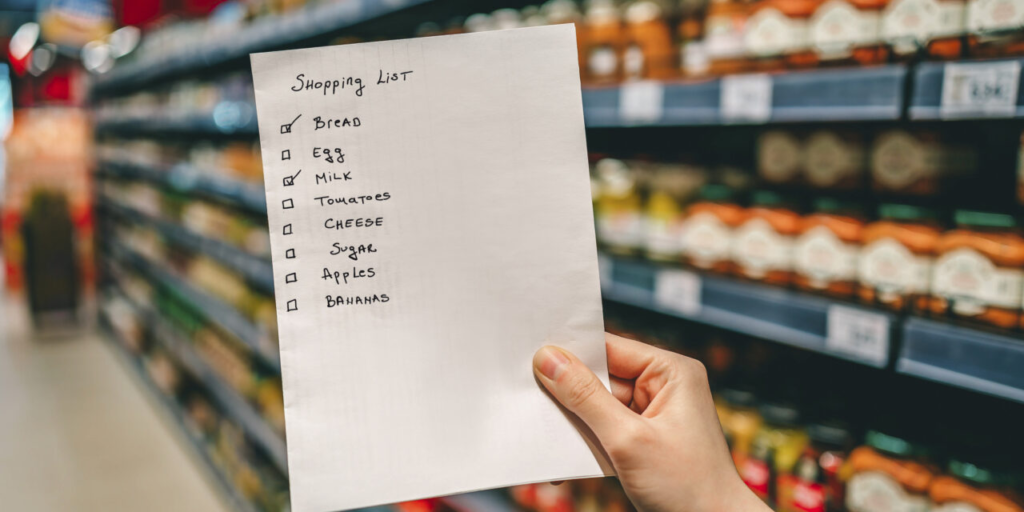
It sounds straightforward, but writing down a clear grocery list remains your absolute best line of defense against overspending.
When you walk through the aisles without a physical or digital list, you end up relying entirely on memory and impulse. Suddenly, a new brand of chips looks irresistible, a store display convinces you to try an expensive sauce, or a “special discount” tricks you into buying something you had zero intention of consuming. A list acts as an anchor. It keeps your eyes on what you actually came to buy and gives you a moment to pause before tossing extra items into the cart.
Pro Tip: Never draft your grocery list while standing inside the store aisle or waiting in the parking lot. Do it at home, away from visual triggers and temptations.
2. Shop Your Own Kitchen First
How many times have you come home from the market with a fresh packet of pasta or a bag of lentils, only to discover two unopened packets hiding at the back of your pantry?
Before you write down a single item on your shopping list, do a quick audit of your kitchen. Open up your cupboards, check the back of the refrigerator, and dig through the freezer.
| What to Look For | Why It Matters |
| Pantry Staples | Unopened pasta, extra flour, spices, and rice that were forgotten. |
| Canned & Frozen Items | Beans, frozen veggies, and broths that can form the base of a quick dinner. |
| Perishables | Fresh produce, dairy, or herbs nearing their expiration that need to be used this week. |
Treat your home kitchen like a store you’ve already paid for. By using up what you already own, you instantly cut down on duplicate purchases and clear out unnecessary clutter.
3. Plan Meals Around What You Already Have
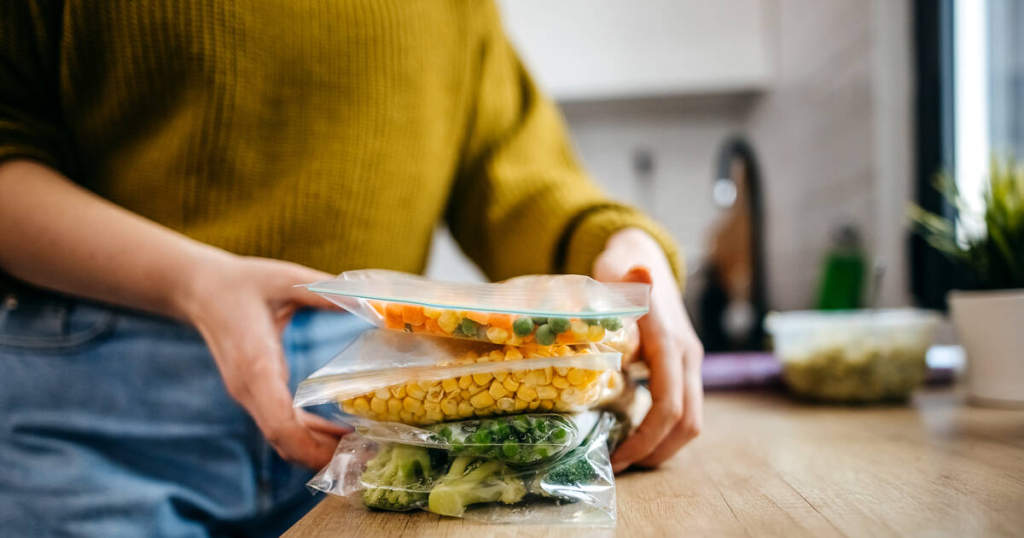
Once you know what’s sitting in your kitchen, build your weekly meal plan around those existing ingredients rather than starting completely from scratch.
Meal planning doesn’t need to be a formal affair with color-coded charts. It can be as simple as looking at a few remaining vegetables, a bowl of cooked rice, and a container of lentils, then asking yourself: “What can I make with this?”
For instance, if you have onions, tomatoes, lentils, and potatoes on hand, you already have the core for a couple of comforting meals like dal-rice or a simple vegetable curry. All you need from the store are a few fresh items to complete the dish. Buying with a specific dish in mind stops you from filling your cart with random items that don’t go together.
4. Establish a Clear Spending Boundary
If you walk into a store without a specific limit in mind, it’s remarkably easy to talk yourself into extra purchases. Establish a firm weekly or monthly grocery budget based on your household size and actual financial needs.
Having a defined threshold changes your mindset while browsing the aisles. If your total is climbing higher than expected midway through your shop, it forces a quick moment of reflection: “Do I really need this item today, or can it wait until next week?” That single pause can easily save you hundreds of rupees over the course of a month.
5. Compare Unit Prices Over Brand Names
Brand loyalty is completely fine for items where you genuinely prefer the taste or quality. However, for standard everyday staples—like salt, sugar, plain oats, flour, and basic pulses—paying a premium for a flashy label is often money down the drain.
| Store Brand Staples | Premium Name Brands |
|---|---|
| Same standard quality & purity | Fancy packaging & heavy marketing |
| Lower cost per kilo | Higher cost per kilo |
Always look closely at the price tag and calculate the cost per kilogram or per unit, rather than just looking at the total price on the front package.
Store-brand or private-label products offered by large supermarkets are frequently produced in the exact same facilities as name-brand alternatives, yet they are sold at a fraction of the cost simply because they lack expensive marketing budgets.
6. Question the “Sale” Tags
Discounts and promotional signs are intentionally designed by retailers to create a psychological sense of urgency. They make you feel like you are losing money if you don’t buy the item.
The golden rule of sales shopping is simple: If you weren’t already planning to buy it, it isn’t saving you money.
- Good Deal: A 20% discount on the cooking oil, coffee, or dish soap you use every single week.
- Bad Deal: A “Buy 2 Get 1 Free” offer on sugary snacks or exotic sauces that you rarely eat and will likely sit untouched in your cupboard for six months.
7. Embrace Seasonal Produce
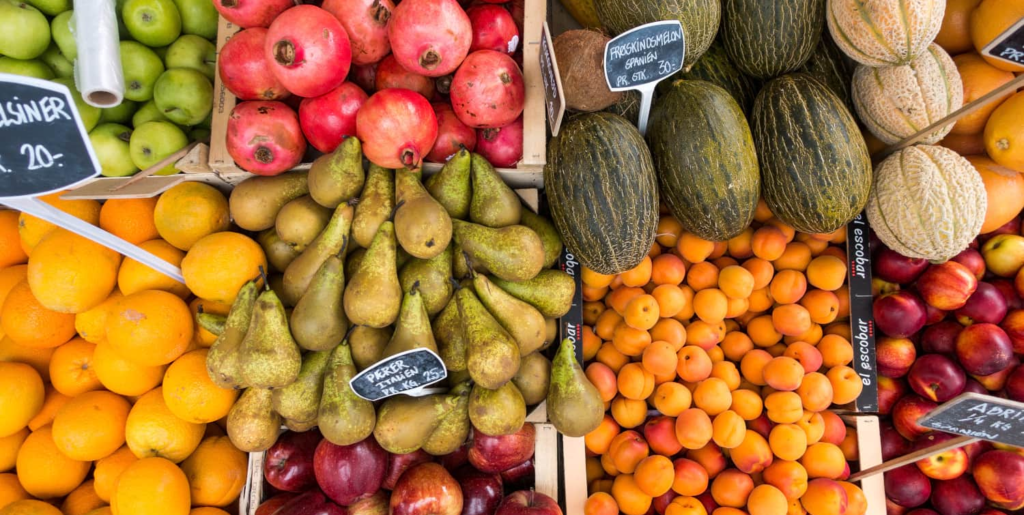
Buying fruits and vegetables that are currently out of season is one of the fastest ways to inflate your bill. Out-of-season produce usually requires expensive greenhouse farming or long-distance transportation, costs that are directly passed on to you at the register.
Instead, let the season guide your meal choices:
- Flexibility Over Rigid Lists: If your recipe calls for cauliflower but broccoli or cabbage is on sale for half the price, make the swap.
- Better Flavor & Price: Seasonal fruits and veggies are not only significantly cheaper because of high supply, but they also taste far better and offer higher nutritional value.
8. Never Shop on an Empty Stomach
It sounds like classic advice, but the biological drive of hunger completely overrides rational decision-making in a grocery store.
When you shop hungry, every bakery scent, snack packaging, and ready-to-eat meal triggers an impulse response. You’ll find yourself rationalizing convenience items and junk food that you would normally walk right past. Eat a small snack or drink a glass of water before heading out to keep your focus strictly on your shopping list.
9. Buy in Bulk—But Only for True Essentials
Bulk buying can unlock massive savings, but it can also backfire if you aren’t strategic about what you purchase in high volumes.
1.Check Storage Space:Avoid clutter and damage.
Ensure you have adequate room in your home to store large quantities safely away from moisture, heat, or pests.
2.Verify Expiration Dates:Prevent product spoilage.
Only buy bulk quantities of non-perishable staples—like rice, dry beans, flour, or household cleaning supplies—that your family will realistically finish long before the expiration date.
3.Calculate Real Value:Confirm unit pricing.
Verify that the larger quantity actually carries a lower price per unit. Brands sometimes package bulk items without offering a real per-kilo discount.
Remember: 10 kilograms of discounted grain sitting infested or spoiled in your pantry isn’t a bargain—it’s straight money thrown into the trash.
10. Actively Work to Reduce Household Food Waste
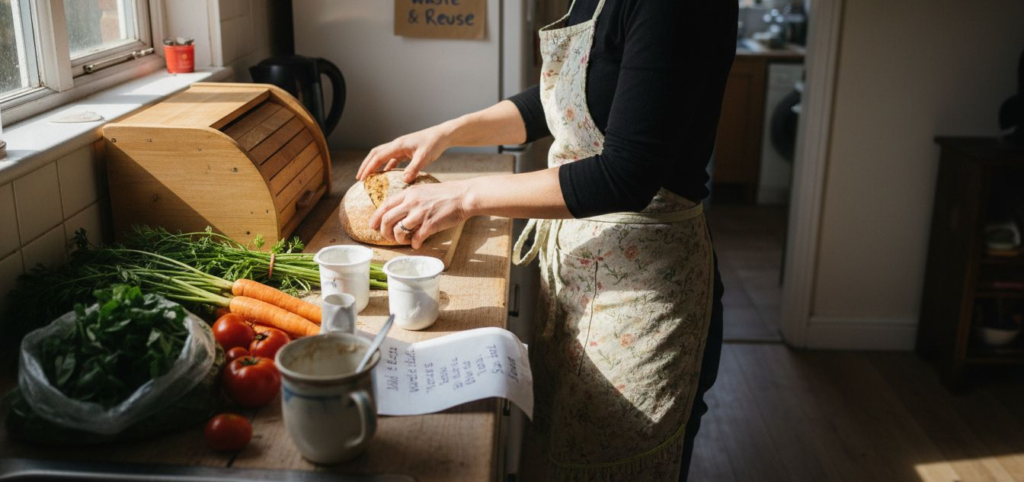
Throwing away spoiled food is quite literally the same as throwing cash directly into the garbage bin. One of the most effective ways to lower your overall food expenses is to extract every bit of value from the groceries you already bought.
- The “First In, First Out” Method: Move older ingredients and produce to the front of your fridge shelves so they stay visible and get used before newer items.
- Freeze Early: If you notice fresh vegetables, herbs, bread, or meat approaching their final days, freeze them before they turn bad.
- Repurpose Ingredients: Turn wilted vegetables into a rich vegetable broth or curry, blend softening fruits into breakfast smoothies, and use stale bread for breadcrumbs or croutons.
11. Make Friends with Leftovers
Leftovers often get a bad reputation for being boring or dry, but learning to use them efficiently saves serious time and money.
Cooking extra portions during dinner means you automatically lock in a free, homemade lunch for the following day, cutting out the urge to order expensive takeaway during work.
If eating the exact same dish twice in a row doesn’t appeal to you, focus on ingredient transformation:
Day 1: Evening Dinner –> Day 2: Transformed Lunch
Roasted Vegetables & Chicken –> Folded into a wrap with warm salsa
Simple Dal & Boiled Rice –> Pan-fried into flavorful rice patties
Extra Cooked Sabzi –> Stuffed inside morning parathas
12. Skip Pre-Cut and Convenience Foods
Convenience always comes with a hidden markup. Pre-sliced fruits, washed and chopped vegetables, marinated meats, and pre-grated cheese carry a massive price tag compared to their whole counterparts.
While pre-cut produce can occasionally be a lifesaver during extraordinarily busy weeks, making a habit of buying whole ingredients will save you a noticeable chunk of change over time. Spending five to ten minutes with a sharp knife and a cutting board at home preserves your grocery budget for things that actually matter.
13. Beware of the Checkout Aisle Traps
Supermarket layouts are carefully engineered marketing environments, and the checkout line is the ultimate trap zone.
While you stand in line waiting to pay, you are surrounded by small, attractive items: single-serving chocolates, mints, magazines, cold beverages, and small gadgets. Because each individual item seems inexpensive (₹30 here, ₹50 there), it’s easy to talk yourself into adding one or two.
Doing this every shopping trip can easily add ₹500 to ₹1,000 to your monthly bill. Treat the checkout line as a waiting zone only, and keep your hands off the display racks.
14. Run a Weekly “Use-It-Up” Meal
Before you plan your next big shopping trip, designate one evening a week as a “Use-It-Up” dinner night.
Clear out the remaining bits and pieces sitting in your fridge and pantry: that half-can of beans, the quarter cup of cooked corn, the remaining handful of spinach, and the last portion of cooked rice. Combine them into a creative stir-fry, a rich soup, an omelet, or a baked casserole.
Not only does this habit clear your fridge for fresh stock, but it also delays your next grocery run by an extra day or two, stretching your overall budget further across the calendar year.
15. Review Your Monthly Grocery Expenses

At the end of every month, spend ten minutes looking over your grocery receipts or bank transactions. You don’t need to build a complex financial spreadsheet—just look for patterns in your spending.
Ask yourself these simple questions:
- Where did most of my unbudgeted money go this month? (e.g., packaged snacks, sugary drinks, impulse sweets)
- Did I throw away any fresh produce or spoiled food that I overbought?
- Which small habit saved me the most money this past month?
Once you spot where your money is quietly leaking, you can make a minor adjustment for the upcoming month.
The 5-Step Shopping Blueprint
If remembering all 15 tips feels overwhelming, keep this simple 5-step checklist in mind for your routine:
Step 1: Check –> Look through your pantry, fridge, and freezer first.
Step 2: Plan –> Outline 3-4 meals using what you already own.
Step 3: List –> Write down ONLY the missing ingredients you need.
Step 4: Budget –> Set a hard spending limit before leaving home.
Step 5: Execute –> Stick to your list, compare unit prices, and skip impulse buys.
Smart Shopping Is About Sustainable Habits

Saving money on food isn’t about perfection, nor is it about denying yourself good, wholesome meals. It’s about becoming conscious of the small, automatic choices that quietly add up at the checkout counter.
Don’t try to implement all 15 changes overnight. Start by picking two or three manageable habits from this list—like writing a strict list, checking your pantry first, and skipping pre-cut vegetables. Once those feel natural, layer on a couple more. Over time, these subtle adjustments will keep your grocery costs completely manageable while keeping your meals fresh, tasty, and satisfying.
FAQ’S
Q1: How much cash can I actually save with these tips?
Honestly, most people cut their bill by 15% to 30% just by bringing a list and using up what’s already in the fridge—that’s a huge chunk of change over a couple of months.
Q2: Will eating on a budget mean sticking to boring, junk food?
Far from it! Real, healthy staples like fresh seasonal veggies, lentils, oats, and rice are almost always way cheaper than flashy, pre-packaged processed snacks anyway.
Q3: How do I handle my family complaining about eating leftovers again?
Instead of serving the exact same plate twice, tweak it into a quick new dish—turn last night’s leftover veggies into breakfast rolls or toss extra rice into a quick stir-fry.
Q4: Is grabbing giant bulk packs really worth it every time?
Only if you’ll genuinely finish it before it goes bad; a massive bag of rice isn’t saving you a dime if half of it ends up sitting forgotten in the back of the cupboard.
Q5: If I can only pick one single habit today, what should it be?
Eat a quick snack before heading out and peek in your kitchen cabinets first—shopping hungry without knowing what you already own is the ultimate wallet trap.
Smart Shopping Ideas for Better Deals and Everyday Savings
Look, let’s stop playing around with fancy headers, corporate blog structures, and robot transitions. Smart…
Useful Tech & Gadgets You’ll Want to Try in 2026
Let’s be completely real for a second. If you look at tech magazines, gadget review…

Simple Smart Living Ideas to Make Everyday Life Easier
Life does not always have to be complicated. Sometimes, a few small changes in the…

Helpful Digital Life Tips for Modern Everyday Living
Technology has quietly become part of our everyday routine. Digital Life We use our phones…

Fun Experiences and New Adventures Worth Trying in 2026
Sometimes, life starts feeling a little too predictable. We wake up, Experiences go to work…

Simple Style & Wellness Tips to Upgrade Your Everyday Lifestyle
Let’s stop rushing for just a single second. Seriously. Style & Wellness Put your phone…