

If you scroll through social media or look at ethical brand ads, Shop Sustainably it feels like going green requires a massive bank account. Organic cotton t-shirts cost $80, bamboo toothbrushes cost triple their plastic counterparts, and zero-waste pantries look like they were styled for an interior design magazine.
Here is the truth: True sustainability is not a luxury product. It is a mindset.
The most sustainable product is always the one that already exists. Living an eco-friendly life does not mean replacing everything you own with expensive, aesthetic, “earth-friendly” alternatives. It actually means buying less, using what you have better, and making smarter choices when you do need to spend.
Here is how you can dramatically reduce your environmental impact without spending an extra dime—and often, saving a lot of money in the process.
1. Shift Your Mindset: The Buyer’s Pause

Before spending money, the simplest eco-friendly action costs nothing: waiting.
Modern shopping is designed to be impulsive. One-click checkouts and targeted ads are engineered to make us buy things on emotion rather than need.
- The 72-Hour Rule: When you feel the urge to buy something non-essential, add it to a list and walk away for three days. More than half the time, the impulse fades, saving both your money and the resources required to produce, package, and ship that item.
- Shop Your Own House First: Before heading to the store for storage bins, organizers, or home decor, look around. An empty glass pasta sauce jar makes a durable food container. A sturdy shoebox can organize a messy drawer.
2. Embrace the Secondhand First Rule
The single best way to shop sustainably on a budget is to normalized buying secondhand. Manufacturing new goods consumes vast amounts of water, energy, and raw materials. Buying pre-owned completely bypasses that production footprint.
- Thrift Stores and Consignment Shops: Clothing, kitchenware, furniture, and books are readily available at a fraction of their retail price.
- Digital Marketplaces: Platforms like Facebook Marketplace, eBay, Poshmark, and local Buy Nothing groups are packed with items people are giving away or selling cheaply just to clear space.
- The “Buy Nothing” Movement: Search for a local Buy Nothing group in your neighborhood. These hyper-local gift economies allow neighbors to give away items they no longer need—from extra garden seeds to barely-used kitchen appliances—completely free.
3. Rethink Your Wardrobe Strategy
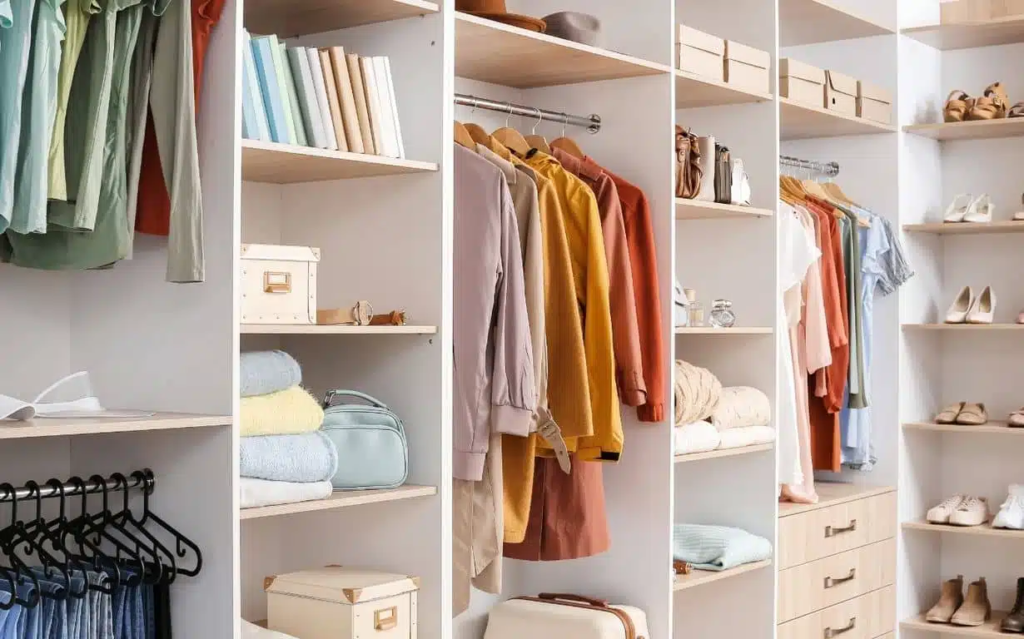
Fast fashion is one of the world’s biggest polluters, but switching to high-end sustainable clothing brands isn’t feasible for every budget. You can build an eco-friendly closet without spending a fortune on luxury eco-brands.
| Traditional Approach | Sustainable & Budget-Friendly Approach |
| Buying cheap trend items every season | Building a versatile “capsule” closet with items you already own |
| Washing clothes after a single light wear | Spot-cleaning and airing out garments to extend their lifespan |
| Throwing away items with minor damage | Learning basic mending (sewing a button, patching a seam) |
| Shopping for retail therapy | Hosting clothing swaps with friends or family |
Clothing Swaps: Host an afternoon with friends where everyone brings clothes they no longer wear. You walk away with a “new” wardrobe without spending a single dollar, and your old clothes find a second life instead of heading to a landfill.
4. Slash Waste (and Costs) in the Kitchen
Food production carries a massive environmental footprint, and food waste is one of the largest contributors to household greenhouse gas emissions. Fixing your kitchen habits helps the planet and keeps money in your pocket.
- Eat Low on the Food Chain: You don’t need to go completely vegan to make an impact. Simply replacing meat with plant-based proteins (like lentils, chickpeas, beans, and oats) for 2 to 3 dinners a week can significantly reduce your carbon footprint and drop your grocery bill.
- Meal Plan Around What You Have: Inventory your fridge and pantry before making a shopping list. Build meals around ingredients that are close to expiring rather than buying new food that competes for space.
- Proper Storage: Store produce correctly to make it last twice as long. Keep leafy greens wrapped in a damp cloth, submerge carrots and celery in water, and keep onions and potatoes separated.
5. Ditch “Single-Use” Swaps You Don’t Actually Need

Marketers have convinced us that we need to buy “eco-friendly” replacements for everything. In reality, you probably already own better alternatives.
- Rags Over Paper Towels: Don’t buy expensive bamboo paper towels. Cut up old, stained t-shirts, worn-out bath towels, or old flannel shirts into rags. Toss them in the wash when dirty.
- Reusables You Already Own: Instead of buying a trendy $40 stainless steel water bottle, use the containers you already have. Take a sturdy glass jar with a lid for iced coffee on the go.
- Produce Bags: Skip the plastic produce bags at the grocery store, but don’t bother buying fancy mesh ones if you’re on a tight budget. Put light produce directly into your basket, or reuse old bread bags.
6. Borrow, Rent, and Share
We live in a culture of individual ownership, but owning everything we use occasionally is unnecessary and expensive.
- Use the Public Library: Libraries offer far more than physical books. Most modern library systems loan out e-books, audiobooks, streaming media, museum passes, and even physical tools or baking pans through a “Library of Things.”
- Share Big-Ticket Items with Neighbors: Do you really need a lawnmower, a pressure washer, or a carpet cleaner that sits in your garage 360 days a year? Consider splitting the cost of large tools with a neighbor or borrowing from someone nearby.
7. Choose Quality Over Quantity (When You Do Buy New)

When you genuinely need to buy something new, prioritize durability over the lowest sticker price.
- Look at Materiality: Seek out natural, durable materials like solid wood, stainless steel, cast iron, glass, and heavy-duty cotton or wool. Avoid cheap particleboard, flimsy plastics, and synthetic blends that degrade quickly.
- Calculate Cost-Per-Use: A $20 pair of boots that falls apart in three months costs far more over time than a sturdy $80 pair that lasts four years. If your budget allows, investing in classic, well-made staples saves money in the long run.
Living Better with Less
Sustainable living is not about perfection, nor is it about spending top dollar on green-labeled products. It is about slowing down, making intentional choices, and stepping away from the endless cycle of overconsumption.
By choosing to repair, reuse, borrow, and buy secondhand, you actively lower your environmental footprint while protecting your financial freedom. You don’t need money to live sustainably—you just need a little creativity and a shift in perspective.
8. Carry Reusable Items
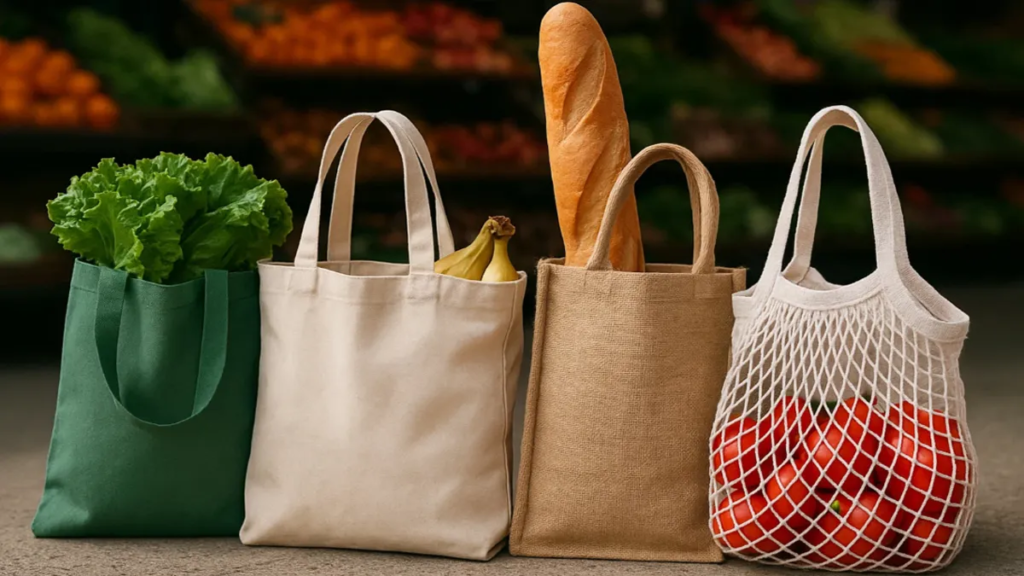
Reusable products can help reduce waste, and they can also save money over time.
For example, carrying a reusable shopping bag means you don’t have to keep buying or collecting new bags. A reusable water bottle can also reduce the need to purchase bottled water when you are outside.
The important thing is to actually use the reusable item regularly. Buying a reusable product and then never using it doesn’t solve the problem.
9. Shop Locally When It Makes Sense
Shopping locally can sometimes be a practical choice. Local stores and markets may offer products without excessive packaging, and buying nearby can make it easier to purchase only what you need.
You can also explore local farmers’ markets or small businesses when suitable products are available at reasonable prices.
Sustainable shopping is not about following one perfect rule. It is about making sensible choices based on your needs and budget.
10. Think About the Cost Per Use

Here’s a useful way to think about shopping: cost per use.
Suppose you buy a ₹500 item and use it 50 times. That’s ₹10 per use.
Now imagine buying a ₹200 item that you use only twice before it breaks or becomes useless. That’s ₹100 per use.
Looking at how often you will actually use something can help you make smarter buying decisions.
11. Don’t Replace Everything at Once
You don’t need to completely change your lifestyle overnight.
If you already have plastic containers, clothes, bags, furniture, or other household items that are still useful, keep using them.
When they eventually need replacing, you can look for a more durable or reusable option.
This approach is much more practical than throwing away perfectly usable things simply because they aren’t considered “eco-friendly.”
12. Buy Less, But Buy With Purpose
Sustainable shopping is not about becoming a perfect shopper. It is about becoming a more thoughtful one.
Before buying something, think about:
Do I need it?
Will I use it regularly?
Will it last?
Can I repair or reuse it?
Is the price reasonable?
These few questions can help you avoid many unnecessary purchases.
FAQs
Smart Shopping Ideas for Better Deals and Everyday Savings
Look, let’s stop playing around with fancy headers, corporate blog structures, and robot transitions. Smart…
Useful Tech & Gadgets You’ll Want to Try in 2026
Let’s be completely real for a second. If you look at tech magazines, gadget review…

Simple Smart Living Ideas to Make Everyday Life Easier
Life does not always have to be complicated. Sometimes, a few small changes in the…

Helpful Digital Life Tips for Modern Everyday Living
Technology has quietly become part of our everyday routine. Digital Life We use our phones…

Fun Experiences and New Adventures Worth Trying in 2026
Sometimes, life starts feeling a little too predictable. We wake up, Experiences go to work…

Simple Style & Wellness Tips to Upgrade Your Everyday Lifestyle
Let’s stop rushing for just a single second. Seriously. Style & Wellness Put your phone…