
In today’s busy life, managing time can sometimes feel difficult. Time Management Skills We all have the same 24 hours, but our daily responsibilities can make those hours feel very short. Work, studies, family, household tasks, social media, and personal activities can easily fill the entire day.
This is why time management skills are so important. Good time management is not about staying busy all day or following a strict schedule. It is about knowing what is important, planning your activities, avoiding unnecessary distractions, and giving yourself enough time to rest.
The best part is that improving your time management does not require a major lifestyle change. Simple habits can make your day more organised and help you feel less stressed. Whether you are a student, working professional, business owner, or simply trying to manage your everyday responsibilities, better time management can make your routine easier.
What Are Time Management Skills?

Time management skills are the habits and abilities that help you use your time in a smart and organised way. They help you decide which tasks should be completed first, how much time you should spend on them, and when you should take a break.
For example, imagine you have an important office project, some household work, and a personal appointment on the same day. Without planning, you may keep switching between tasks and feel confused. With proper planning, you can arrange your activities according to their importance and complete them one by one.
Good time management does not mean doing everything. It means spending your time on the things that matter most.
Why Is Time Management Important?
Managing your time properly can improve many parts of your daily life. When your tasks are organised, you may feel more in control of your day.
One major benefit is reducing last-minute stress. If you start an important task early, you have more time to complete it properly. You also have some extra time if something unexpected happens.
Good time management can also improve productivity. Instead of spending hours jumping between different activities, you can focus on one task and complete it more efficiently.
Most importantly, proper time management can create a better balance between work and personal life. When you manage your responsibilities effectively, you can make time for family, friends, hobbies, exercise, and relaxation.
Start Your Day With a Simple Plan
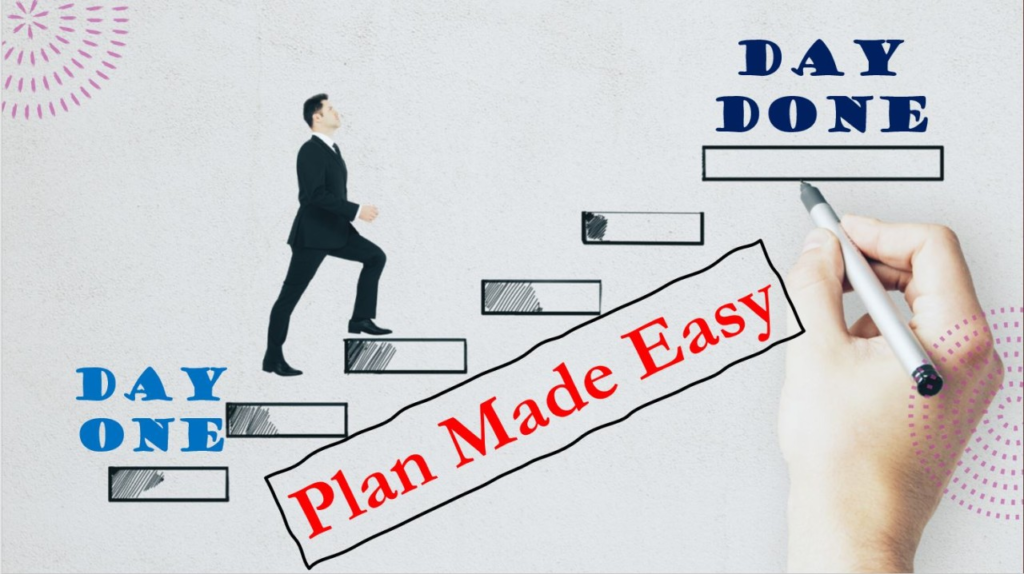
A simple daily plan can make a big difference. You do not need an expensive planner or a complicated productivity system.
At the beginning of your day, write down the important tasks you want to complete. Try to keep the list realistic.
For example, instead of writing ten or fifteen tasks, choose three important things that you definitely want to finish.
You can also prepare your plan the night before. This can help you start the next morning with a clear idea of what needs to be done.
Set Your Priorities
One of the most important time management skills is knowing what should come first.
Not every task has the same level of importance. Some tasks may have an urgent deadline, while others can wait until later.
For example, if you have an important presentation tomorrow, preparing it should probably come before spending an hour scrolling through social media.
Ask yourself a simple question:
“What is the most important thing I need to complete today?”
Once you identify it, give that task your attention.
Break Big Tasks Into Smaller Tasks

Large tasks often feel stressful because we look at them as one huge responsibility.
Breaking them into smaller steps can make them much easier.
For example, if you need to write a blog, do not simply write “Complete blog” on your list. Instead, divide it into choosing a topic, researching, creating headings, writing the introduction, completing the main content, checking grammar, and final editing.
Now you have several small tasks instead of one big task.
This approach can make it easier to start and keep moving forward.
Avoid Procrastination
Procrastination means delaying a task even when you know you should do it.
Many people procrastinate because a task feels boring, difficult, or overwhelming. Unfortunately, delaying it usually makes the situation more stressful.
A simple way to overcome procrastination is to start with a very small step.
For example, if you need to study for an exam, tell yourself that you will study for only ten minutes. Once you begin, you may naturally feel ready to continue.
Sometimes, starting is more important than feeling motivated.
Stay Away From Unnecessary Distractions

Distractions can quietly take away a lot of time.
Your phone is one common example. You may open it to check one message and then spend thirty minutes watching videos or scrolling through social media.
When you need to focus, keep your phone away or turn off unnecessary notifications.
You can also decide when you will check messages and social media instead of checking them constantly throughout the day.
Small changes like this can give you more uninterrupted time.
Avoid Multitasking Too Much
Doing several things at once may look productive, but it can make concentration harder.
For example, if you are writing something while constantly checking WhatsApp, social media, and emails, your attention keeps moving between different activities.
Try focusing on one important task at a time. Once you finish it or reach a suitable stopping point, move to the next activity.
Focused work can often save more time than constantly switching between tasks.
Use Time Blocking
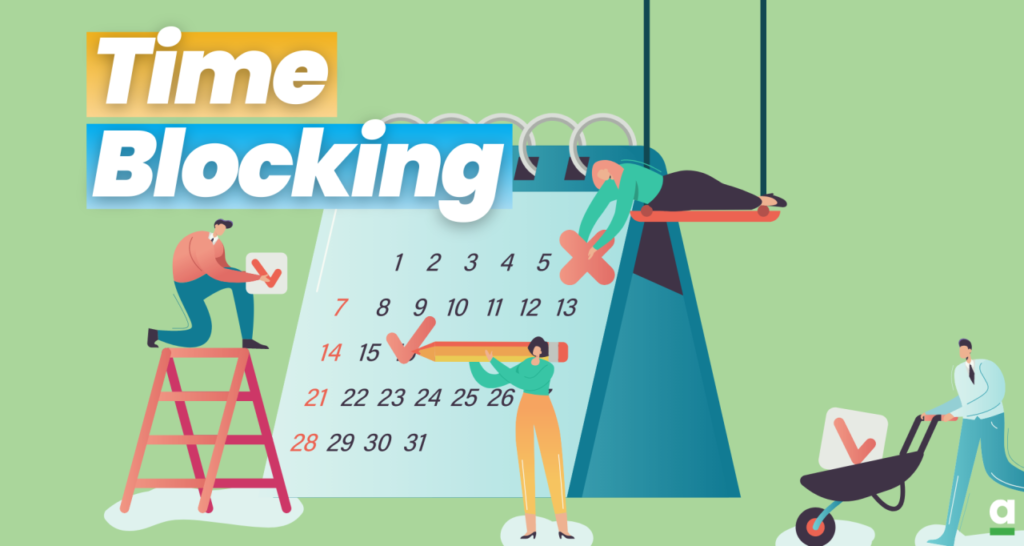
Time blocking is a simple technique where you give a specific period of time to a particular activity.
For example, you might decide to spend the first part of your morning on important work, then take a short break, and later handle emails or smaller tasks.
You can create time blocks according to your own routine. They do not have to be perfect.
The main purpose is to give important activities dedicated time instead of allowing the entire day to disappear without a clear structure.
Take Regular Breaks
Good time management does not mean working continuously.
Your mind also needs rest. Taking short breaks between focused work sessions can help you return to your task feeling refreshed.
During a break, you can stand up, stretch, drink water, or walk around for a few minutes.
Try to make your breaks intentional. A five-minute break can easily become an hour if you start scrolling through social media without a limit.
Set Realistic Deadlines

Deadlines can help you stay focused, but they should be realistic.
If you know that a task requires three hours, giving yourself only one hour may create unnecessary pressure.
When planning your day, think about how long each task is likely to take. Also leave some extra time for unexpected work or delays.
A realistic schedule is much easier to follow than an extremely strict schedule.
Learn to Say No
Sometimes the problem is not poor planning. We simply have too many things on our plate.
Learning to say no politely can help you protect your time.
For example, if someone asks you to take on another task while you are already dealing with an important deadline, you can explain that you are currently busy and may be able to help later.
You do not have to accept every request. Knowing your limits is an important part of managing your time.
Use Technology Wisely

Technology can be a distraction, but it can also be a useful time management tool.
You can use calendars, reminders, alarms, notes, and task-management apps to organise your day.
For example, instead of trying to remember an appointment, create a reminder on your phone.
The important thing is to keep things simple. You do not need ten different apps. Use the tools that actually make your life easier.
Prepare for the Next Day
A little preparation at night can make your next day smoother.
Before going to bed, look at your schedule and decide what needs to be done tomorrow. Prepare your clothes, bag, documents, or anything else you may need.
For example, if you have an early morning meeting, preparing everything the night before can help you avoid rushing.
This small habit can save time and make your morning feel calmer.
Keep Your Workspace Organised

A clean and organised workspace can make it easier to focus.
You do not need to spend hours organising everything. Simply keep frequently used items in their proper places.
If your desk is filled with unnecessary papers or objects, spend a few minutes clearing it.
An organised environment can make it easier to find things and start your work without unnecessary delays.
Make Time for Yourself
Time management is not only about work and responsibilities.
Your personal time matters too. Make space for activities that you enjoy, whether that means reading, listening to music, walking, watching a favourite show, spending time with family, or enjoying a hobby.
For example, even 20 to 30 minutes of personal time during a busy day can help you relax and recharge.
A healthy routine should include both productivity and relaxation.
Get Enough Sleep

Sleep is often ignored when people talk about productivity, but proper rest is important for maintaining a good routine.
If you regularly stay up late and do not get enough sleep, you may feel tired and find it harder to concentrate the next day.
Try to maintain a consistent sleep schedule and give yourself enough time to rest.
Sometimes, the best way to manage tomorrow’s time is to get enough sleep tonight.
Track How You Spend Your Time
If you often wonder where your day went, try tracking your activities for a few days.
Write down approximately how much time you spend working, studying, travelling, using your phone, watching videos, and doing other activities.
You might discover that small distractions are taking more time than you expected.
Once you know where your time is going, you can decide what needs to change.
Do Not Try to Be Perfect
One common mistake is expecting yourself to follow your schedule perfectly every day.
Life does not always go according to plan. An unexpected phone call, meeting, family responsibility, or other situation can change your schedule.
If something goes wrong, do not give up on the entire day.
Simply adjust your plan and continue with the next important task.
Progress is more important than perfection.
Build One Habit at a Time
Trying to change everything at once can be difficult.
Instead, start with one simple habit.
For example, spend one week making a daily to-do list. Once that becomes comfortable, start reducing phone distractions. Later, you can add another habit such as preparing for the next day.
Small changes are easier to maintain, and over time they can become a natural part of your routine.
A Simple Example of Better Time Management
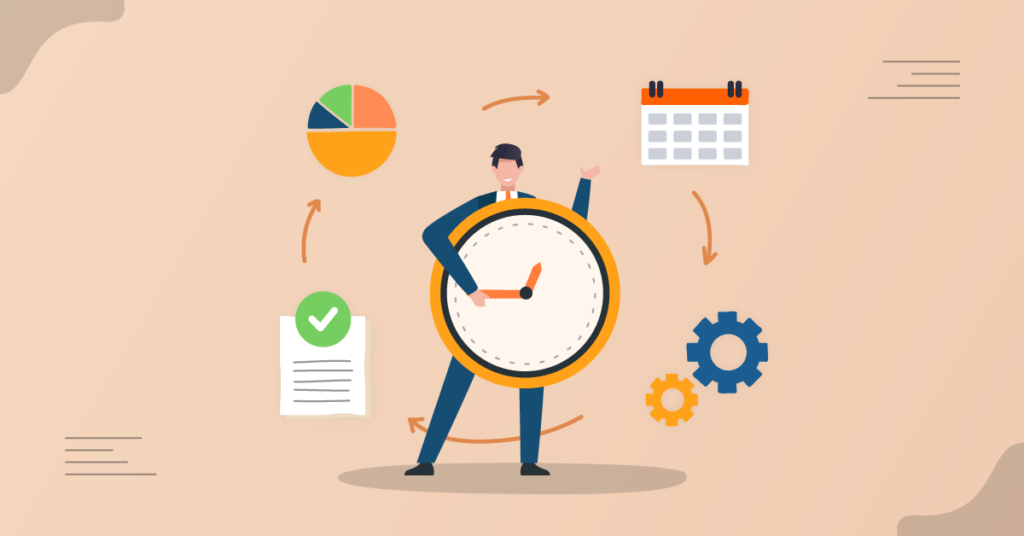
Imagine you have to complete office work, attend a meeting, buy groceries, exercise, and spend time with your family.
Instead of doing everything randomly, start by identifying your important work. Complete the most urgent office task first. Attend your meeting at the scheduled time. Handle your grocery shopping later, and keep some time in the evening for exercise and family.
Before going to bed, check what you completed and prepare your priorities for the next day.
This simple approach can make your day feel much more organised.
Common Time Management Mistakes
Some common mistakes can make it difficult to manage time effectively.
Creating an unrealistic to-do list is one of them. Another is spending too much time on social media or constantly checking notifications.
Trying to multitask, delaying difficult tasks, and forgetting to take breaks can also affect productivity.
Another common mistake is leaving no free time in your schedule. Unexpected things happen, so your daily plan should have some flexibility.
FAQs
1. What are Time Management Skills?
Time management skills are the ability to plan, organise, and use your time effectively to complete important tasks without unnecessary stress.
2. Why are Time Management Skills important?
Good time management helps you stay organised, complete tasks on time, reduce stress, improve productivity, and create more time for personal activities.
3. How can I improve my Time Management Skills?
You can improve them by making a daily plan, setting priorities, avoiding distractions, breaking large tasks into smaller steps, and following realistic deadlines.
4. What is the best way to manage time every day?
Start your day by identifying two or three important tasks. Complete the most important one first and organise the remaining tasks around it.
5. How can I stop wasting time?
Identify your main distractions, such as unnecessary phone use or social media. Set limits and focus on one task at a time.
Smart Shopping Ideas for Better Deals and Everyday Savings
Look, let’s stop playing around with fancy headers, corporate blog structures, and robot transitions. Smart…
Useful Tech & Gadgets You’ll Want to Try in 2026
Let’s be completely real for a second. If you look at tech magazines, gadget review…

Simple Smart Living Ideas to Make Everyday Life Easier
Life does not always have to be complicated. Sometimes, a few small changes in the…

Helpful Digital Life Tips for Modern Everyday Living
Technology has quietly become part of our everyday routine. Digital Life We use our phones…

Fun Experiences and New Adventures Worth Trying in 2026
Sometimes, life starts feeling a little too predictable. We wake up, Experiences go to work…

Simple Style & Wellness Tips to Upgrade Your Everyday Lifestyle
Let’s stop rushing for just a single second. Seriously. Style & Wellness Put your phone…