

Look, let’s be completely honest about what owning a home is actually like. Nobody sits on their couch on a peaceful Saturday morning, sips their coffee, and thinks, “Man, I can’t wait to spend three hours crawling around under the bathroom sink looking at rusty plumbing!”
We ignore our houses. We treat them like invincible backgrounds to our lives—until something stops working and turns our whole week upside down.
A faucet starts doing that maddening drip… drip… drip right when you’re trying to fall asleep at 2:00 AM. A shower drain starts glug-glugging up mystery gunk that smells like an open sewer. Or that tiny line in the hallway drywall you’ve been ignoring for six months suddenly looks wide enough to drop a quarter into.
It’s completely human to ignore your house until it practically screams in your face. But here’s the brutal financial reality: your home is in a constant state of slow motion decay, and waiting for things to violently break is the absolute most expensive way to run a household.
The good news? You don’t need to transform into a hardhat-wearing handyman overnight, buy a garage full of scary power tools, or sacrifice your entire weekend. You just need to stop playing blind to the warning signs before they turn into three-thousand-dollar emergency repair bills.
Here is the ultimate, no-BS, totally realistic guide to the ten easiest home habits you should actually care about—and how to handle them without losing your mind.
1. Check for Sneaky Leaks Under Your Sinks

We all have that one nightmare cabinet. You know the one—usually under the kitchen sink or the main bathroom vanity—jammed full of half-empty spray bottles, ancient crusty sponges, and a giant ball of plastic grocery bags. Because it’s hidden behind closed doors, it is the absolute favorite hideout for slow, silent water leaks.
Here’s the thing: a massive, spraying pipe burst is almost a blessing because you notice it instantly. The real villain is the micro-drip. A single drop falling every two minutes quietly turns your cabinet floor into mush, breeds toxic black mold behind your baseboards, and rots out your subfloor long before you ever see a puddle on the kitchen tile.
How to handle it without losing your mind:
- The Monthly Purge: Once a month, open those cabinet doors and haul out the front layer of cleaning supplies. Don’t just glance in—actually look at the floor of the cabinet.
- Feel the Joints: Run a dry hand along the plastic and metal pipe connections, especially around that curved P-trap and the shut-off valves sticking out of the wall.
- Look for the Evidence: If your fingers come away damp, or if you spot sagging wood, peeling liner paper, dark water rings, or get a whiff of a rank, damp-basement smell, water is escaping somewhere.
- The Paper Towel Trick: Wipe the whole pipe bone-dry. Lay a single sheet of dry toilet paper or paper towel directly under the joints, turn the faucet on full blast for sixty seconds, and check the paper. If it’s wet, you’ve caught the leak red-handed.
If it’s just a loose plastic nut, you can usually twist it tight with your fingers in five seconds. If the pipe is weeping through a cracked metal fitting, call a plumber before that quiet drip turns your floorboards into a swamp.
2. Swap Your Air Filters (Before Your System Chokes to Death)
Your HVAC system is basically the lungs of your home. It gulps air in, heats or cools it, and blows it back into your rooms. That thin air filter sitting in the slot is the only defense standing between your lungs and a floating stew of pet hair, dead skin dust, pollen, dust mites, and construction grit.
When you ignore that filter for six months, it gets caked in a thick, gray felt blanket of pure filth. Air physically can’t get through it anymore. Your furnace or AC unit has to strain twice as hard just to push a weak trickle of air into your living room, driving your electric bill through the roof and slowly suffocating the expensive blower motor until it burns out.
How to handle it without losing your mind:
- Set a Phone Reminder: Check your filter every month or two. If you have three shedding cats and a golden retriever, check it every 30 days. If you live alone in a sparkling apartment, every three months is fine.
- Hold It Up to the Light: Pull the filter out and aim it at a bright window or overhead light. If you can’t easily see light shining through the pleats, it’s done. Throw it in the trash.
- Buy a Bulk Pack Online: Stop buying single overpriced filters at the hardware store only when you happen to remember. Read the size printed on the plastic frame (like 16x25x1), order a cheap six-pack online, and stash them in a closet. When a fresh one is sitting right there, you’ll actually change it.
3. Test Your Alarms (And Kill the 3 AM Battery Chirp)
Everyone knows the meme: the universal mascot of rental homes is the low-battery chirp of a smoke detector at three in the morning. But terrible timing aside, those cheap plastic discs screwed into your ceiling are literally the only things keeping you alive if a fire breaks out while you’re dead asleep.
Smoke detectors and carbon monoxide alarms sit up there quietly for years doing nothing, which makes them dangerously easy to forget. But batteries die, dust chokes the tiny internal optical sensors, and the electronics inside age out.
The Realistic Safety Checklist:
- Push-Button Audio Test: Once a month (takes 30 seconds).
- Battery Swap: Once a year (or just buy 10-year sealed units).
- Vacuum the Grille: Dust them off every six months.
- Total Replacement: Throw the whole unit away every 10 years (check the date stamped on the back).
How to handle it without losing your mind:
- The Broomstick Method: Walk through your house once a month with a broom handle. Reach up and mash the “TEST” button on every unit until it screams at you. It takes less than a minute.
- Smoke Alarms Actually Expire: Most people have no idea that smoke detectors expire. Twist the unit counter-clockwise, pop it off the ceiling, and check the back. If the build date is more than ten years old, the internal sensor is dead. Trash it and buy a new one.
- Save Your Sanity: If you despise changing 9-volt batteries, buy modern 10-year sealed lithium alarms. You screw them into the ceiling once and you don’t have to touch them again for a decade.
4. Clear Your Drains Before You’re Standing in Greywater
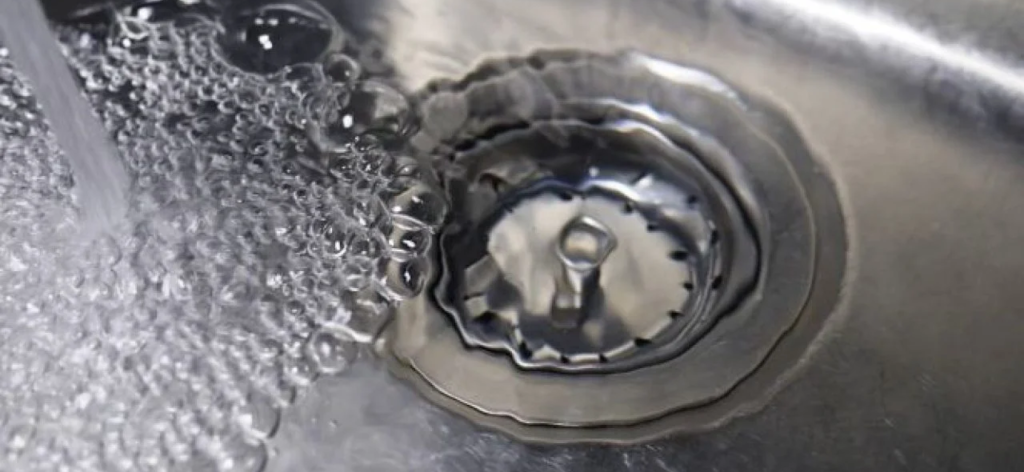
Nobody gives a damn about their plumbing drains until they’re standing ankle-deep in cold, soapy water during a morning shower.
By the time the water is slowly swirling around your feet, a nasty, tangled rope of shed hair, congealed soap scum, toothpaste, and body oils has already clamped shut deep inside your pipes. And in the kitchen, dumping liquid bacon fat or coffee grounds down the sink creates a concrete-like sludge that no store-bought liquid drain cleaner can break up.
How to handle it without losing your mind:
- Stop Wasting Money on Chemical Drain Cleaners: Dump those harsh, acid-based drain unblockers in the bright bottles. They generate crazy heat inside your pipes that can melt plastic plumbing, corrode old metal joints, and ruin the environment—all while leaving the actual hair mass intact.
- Buy a $3 Plastic Snake: Go to a hardware store or order those cheap, flexible plastic zip-strips with the little jagged teeth along the side. Push it down the shower drain, give it a twist, and pull it back up. It’s gross, but it yanks out the hair monster in ten seconds flat without destroying your plumbing.
- Get Mesh Strainers: Buy a $5 stainless steel mesh sink strainer for every drain in your house. Catching hair and food scraps before they drop into the dark depths eliminates 90% of all household clogs.
- The Golden Kitchen Rule: Never pour liquid cooking fat, bacon grease, or coffee grounds down the sink. Let grease cool, wipe it out of the pan with a paper towel directly into the garbage, and then wash the pan.
5. Hunt Down Air Leaks Around Windows and Doors
If your house feels drafty in the winter or like a humid oven in the summer—no matter how high you crank your AC or heat—you are literally burning money by letting air leak out through cracks in your walls.
Over time, exterior caulk around window frames bakes in the sun, dries out, and snaps. The rubber weatherstripping hugging your front door gets squished flat, torn, or rotted away. Suddenly, you have a dozen tiny gaps letting your paid-for AC leak outside while freezing or muggy air rushes indoors.
How to handle it without losing your mind:
- The Incense Trick: On a windy day, turn off your furnace or AC so the air in the house is completely still. Light an incense stick or a candle and hold it close to the edges of your doors and window frames. If the smoke or flame flickers like crazy or blows sideways, you’ve found an active draft.
- Check for Daylight under Doors: Close your front door and look down at the floor. Can you see bright daylight peeking under the bottom? If yes, grab a simple peel-and-stick door sweep or a fresh strip of stick-on rubber weatherstripping.
- Recaulk the Gaps: If you see visibly cracked, missing, or peeling caulk on the outside of your window frames, scrape the loose stuff away with a putty knife and run a fresh line of exterior silicone caulk along the gap.
6. Show Your Kitchen Appliances Some Basic Respect
Your big kitchen appliances are the absolute hardest-working things in your house. They run non-stop, but because they keep working without complaining, we almost never clean the mechanical guts that keep them running.
Take your fridge. Tucked away underneath or along the back panel is a grid of metal condenser coils. Their entire job is to release heat out of the fridge so the inside stays ice-cold. Over a couple of years, those coils get wrapped in a thick sweater of dust, pet fur, and kitchen grease. The fridge has to run its motor twice as hard to stay cold, burning out the compressor years earlier than it should have.
How to handle it without losing your mind:
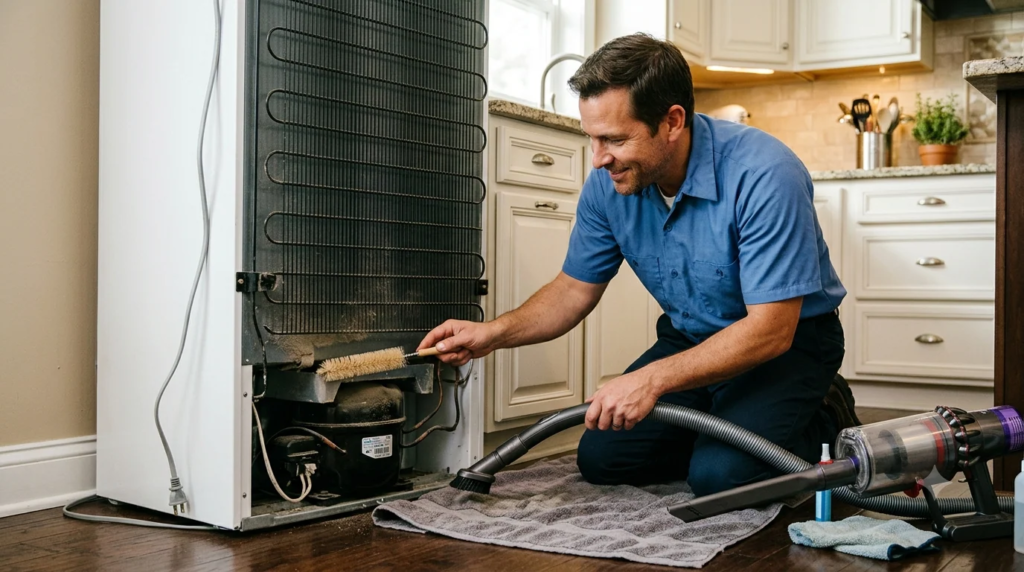
- Vacuum the Fridge Coils: Unplug your fridge, slide it out from the wall, or pop off the bottom front plastic grille. Take your vacuum hose and suck away all the dusty blankets clinging to the metal coils once a year.
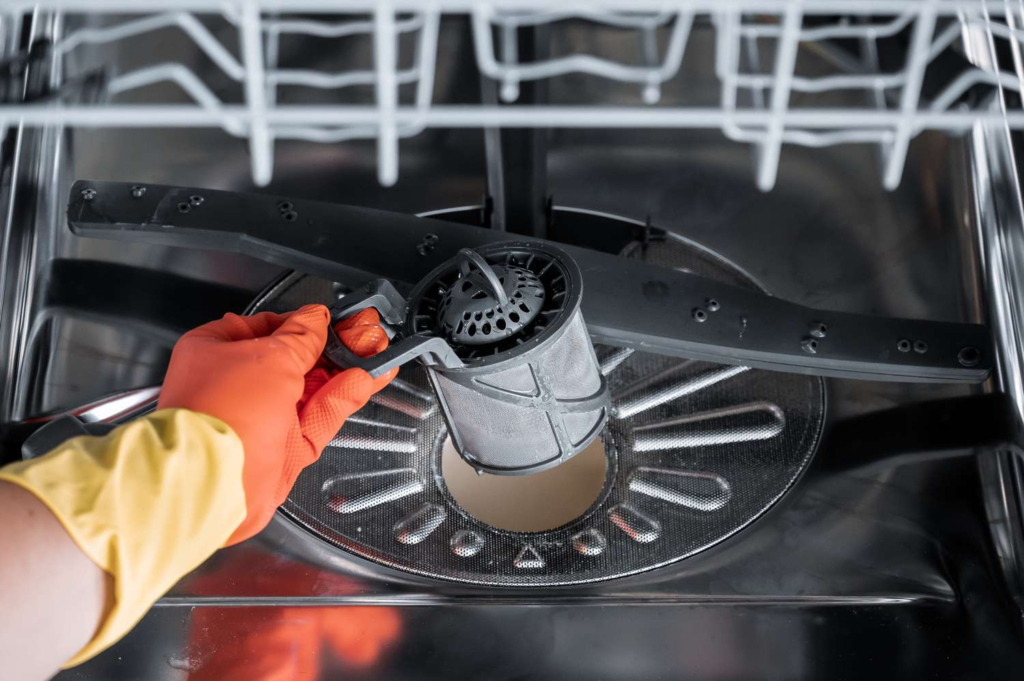
- Clean the Dishwasher Filter: Yes, your dishwasher has a removable filter at the bottom of the tub! Most people have never cleaned it. Twist the plastic cylinder at the base of the spray arm, pull it out, and rinse away the slimy layer of trapped food bits and popcorn hulls under hot water. Your glasses will stop coming out cloudy instantly.
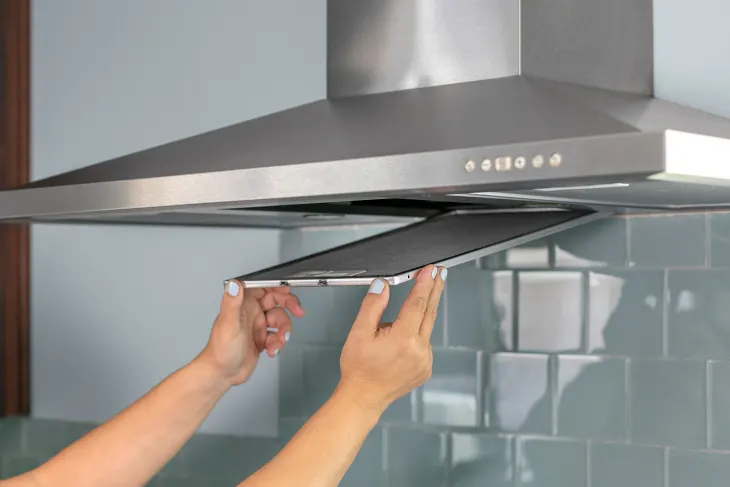
- Grease the Range Hood: The metal mesh filter underneath your stove vent hood traps airborne grease. Pop it out every few months and soak it in boiling hot water mixed with a heavy squirt of dish soap and a spoonful of baking soda.
7. Inspect Your Roof and Gutters (Without Climbing a Ladder)
Your roof and gutters are your house’s primary umbrella. Rainwater hitting your roof needs a clear, unobstructed path to flow down the shingles, into the gutters, through the downspouts, and away from your foundation.
When gutters get jammed full of dead leaves, mud, and roof grit, rainwater has nowhere to go. It backs up under your shingles, rots out the wood trim along your roofline, or spills over the front edge in heavy sheets, pooling right against your foundation and flooding your basement.
How to handle it without losing your mind:
- Keep Your Feet on the Ground: You do NOT need to climb up on a terrifying ladder or walk on your roof to check it out. Grab a pair of binoculars and stand out on your lawn.
- Look for Shingle Damage: Look for shingles that are curling up at the edges, cracked, buckled, or completely missing. If you see bare spots where the rough granules have washed off, that area is defenseless against rain.
- The Raincoat Inspection: Next time it’s pouring rain outside, put on a raincoat and step out into the yard. Look up at your gutters. Is water cascading over the side like a waterfall? You’ve got a clog. Is water pouring out right at the corner of your house? Make sure your downspout extensions are attached and pushing water at least 4 feet away from your foundation walls.
8. Keep an Eye Out for New Cracks and Water Stains
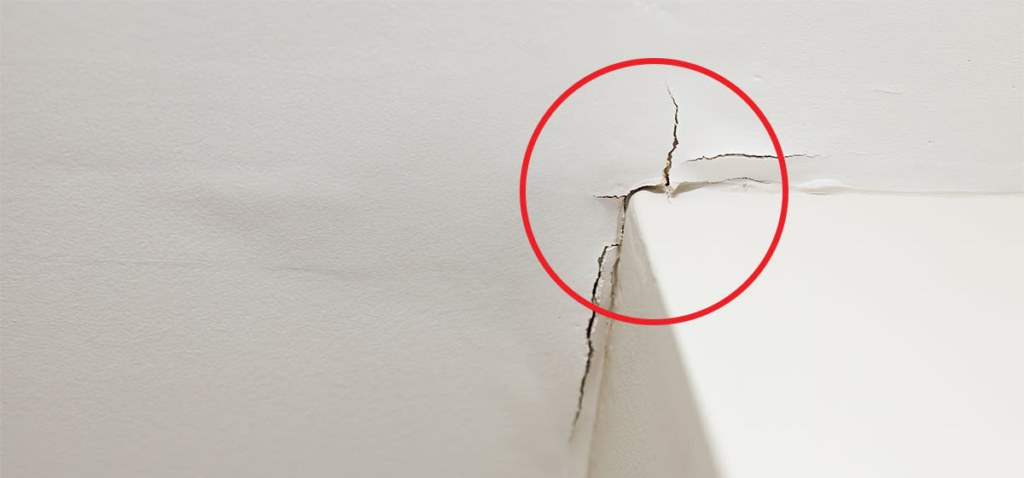
Houses settle into the dirt over time. Soil shifts, wood expands and contracts with humidity, and minor hairline cracks in drywall are a totally normal part of a building growing old.
However, there is a massive difference between a harmless cosmetic line and a structural emergency or an active plumbing leak. The goal isn’t to freak out over every tiny line—it’s simply to notice when something new shows up or when an old mark starts growing fast.
Cosmetic Hairline vs. Structural Emergency:
- Cosmetic (Don’t Panic): Thin as a thread, runs straight up and down, or sits right above a door frame joint.
- Structural Warning (Call an Expert): Wide gap you can put a pencil in, runs diagonally across a wall, or makes surrounding doors suddenly stick tight in their frames.
How to handle it without losing your mind:
- The Monthly Scan: Once a month while vacuuming, take ten seconds to scan the ceilings and top corners of your rooms.
- Catch Water Stains Early: Look for new yellowish, brown, or rusty rings forming on your ceiling drywall. If a stain feels damp or looks darker than it did last week, you’ve got an active roof or plumbing leak right above your head.
- Don’t Just Paint Over It: A thin crack above a door is usually just wood shifting with the seasons. But if you see a wide, jagged diagonal crack ripping through plaster, or if your front door suddenly won’t latch shut, get a structural engineer to look at your foundation before doing anything else.
9. Tame Your Yard (Before Nature Tries to Eat Your House)
Home care doesn’t stop at the front door. The trees, bushes, and soil surrounding your house play a massive role in whether your home stays dry or gets destroyed by the elements.
When bushes and branches grow flush against your siding, they act like a wet sponge pinned to your house. They block sunlight, keeping your walls damp after rain, which rots wood siding, peels paint, and grows nasty green mold. Even worse, branches touching your roof act as a highway for squirrels, rats, and ants to march straight into your attic.
How to handle it without losing your mind:
- Trim a 12-Inch Gap: Grab some hedge shears and trim back all bushes and plants so there is at least a one-foot gap of open air between the leaves and your house siding. Air needs to flow around your home to dry it out.
- Cut Overhanging Limbs: Trim any heavy tree branches hanging right over your roof. A strong windstorm can easily snap a heavy branch, sending it crashing straight through your shingles.
- Slope the Dirt Away: Walk around the perimeter of your house. The dirt right next to your foundation walls should slope gently downward away from the house (about a six-inch drop over six feet). If the dirt slopes toward your house, rain will run right down into your basement or crawlspace.
10. Check on Your Water Heater (Before it Floods the Basement)
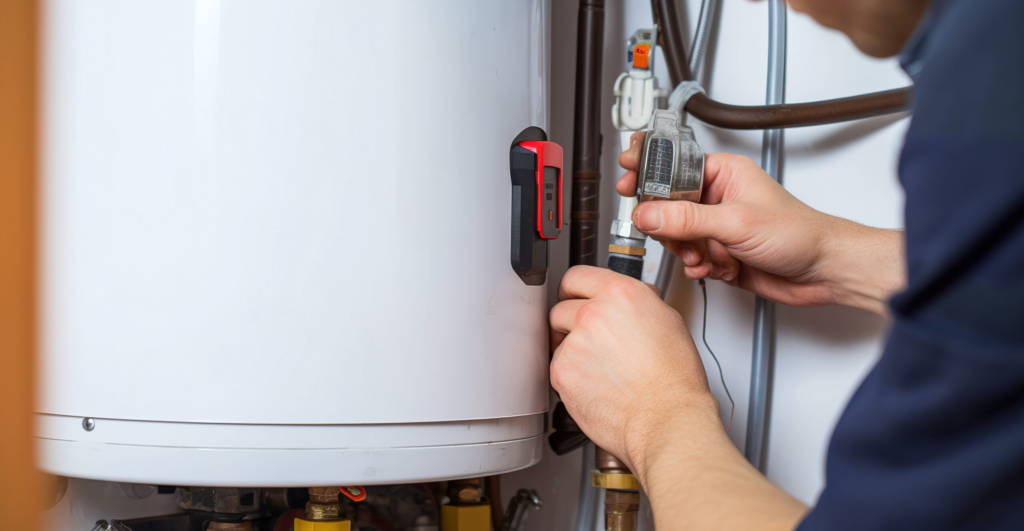
Your water heater is the quiet workhorse tucked away in your basement, garage, or utility closet. It works 24/7/365, keeping dozens of gallons of water hot and ready for your shower.
Because it sits out of sight, most people completely ignore it until they wake up to an ice-cold shower—or worse, walk downstairs to find sixty gallons of rusty water swamping their basement floor because the tank rusted straight through the bottom.
Water Heater Warning Signs:
- Puddle at the base: Corroded tank bottom (time to replace the whole unit).
- Knocking or Rumbling noise: Heavy mineral sediment baking at the bottom of the tank.
- Rusty water: The internal protective rod is gone and the tank itself is rusting.
- Water temperature jumping around: Failing heating element or bad thermostat.
How to handle it without losing your mind:
- Check the Floor: Once a month, take a flashlight and shine it at the floor around the metal base of your water heater. If you see puddles, active rust streaks, or crusty white mineral buildup around the bottom valves, your tank is on its last legs.
- Listen to the Sounds: When the water heater fires up, listen closely. Do you hear a loud knocking, popping, or rumbling noise? That sound is steam bubbles popping under a thick layer of rock-hard mineral sludge that has settled at the bottom of the tank.
- Check the Date: The average water heater tank lasts about 8 to 12 years. Find the manufacturer sticker on the side of the tank to check the build date. If your unit is 11 years old and rumbling like a freight train, start saving for a replacement on your own terms before it bursts on Christmas morning.
How to Build a Maintenance Routine That Doesn’t Suck
The absolute worst thing you can do is try to tackle all ten of these things in one chaotic, exhausting weekend. You’ll spend eight hours crawling around, burn out completely, and then do zero home maintenance for the next two years.
Instead, sprinkle these tasks into your normal life like taking out the trash.
The Zero-Stress Maintenance Schedule
Weekly (5 Minutes Total):
- Glanc under the kitchen sink while taking out the trash.
- Wipe grease off kitchen appliances.
- Pull hair off bathroom shower strainers.
Monthly (15 Minutes Total):
- Look at air filters and swap them if they’re grey.
- Mash the test buttons on all smoke detectors with a broom handle.
- Scan ceilings for new water spots or weird cracks.
- Shine a flashlight under bathroom sinks.
Every 3 to 4 Months (30 Minutes Total):
- Step outside during heavy rain to check if gutters are overflowing.
- Use the incense stick trick to check for drafts around front doors and windows.
- Trim back bushes that are pressing up against your house siding.
- Check the floor around your water heater for leaks or rust.
- Vacuum off fridge coils and rinse out your dishwasher filter.
Know When to Throw in the Towel (And Call a Pro)

Being a smart homeowner isn’t about proving you can fix every single thing yourself. It’s about knowing your limits and recognizing when a job crosses the line from a simple DIY task into a dangerous disaster.
There is zero shame in calling a professional. In fact, trying to fix complex stuff without knowing what you’re doing usually ends up costing twice as much when a pro has to come out and unfrock your mistake.
Always Call a Professional For:
- Gas Line Anything: If you smell rotten eggs or think you have a gas leak near your stove or water heater, get everyone out of the house immediately and call the gas company or a licensed plumber from outside.
- Inside the Main Electrical Panel: Replacing a light switch or outlet cover is fine. Opening up your main electrical breaker box or messing with heavy wiring without training can electrocute you or start an attic fire.
- Steep Roof Work: Walking around on a high, steep roof without harness gear and proper boots is a quick way to end up in the emergency room. Leave roof repairs to insured professionals.
- Major Foundation Cracks: Never try to jack up floor joists or patch massive, expanding foundation cracks without a certified structural engineer running the show.
Frequently Asked Questions
Smart Shopping Ideas for Better Deals and Everyday Savings
Look, let’s stop playing around with fancy headers, corporate blog structures, and robot transitions. Smart…
Useful Tech & Gadgets You’ll Want to Try in 2026
Let’s be completely real for a second. If you look at tech magazines, gadget review…

Simple Smart Living Ideas to Make Everyday Life Easier
Life does not always have to be complicated. Sometimes, a few small changes in the…

Helpful Digital Life Tips for Modern Everyday Living
Technology has quietly become part of our everyday routine. Digital Life We use our phones…

Fun Experiences and New Adventures Worth Trying in 2026
Sometimes, life starts feeling a little too predictable. We wake up, Experiences go to work…

Simple Style & Wellness Tips to Upgrade Your Everyday Lifestyle
Let’s stop rushing for just a single second. Seriously. Style & Wellness Put your phone…