
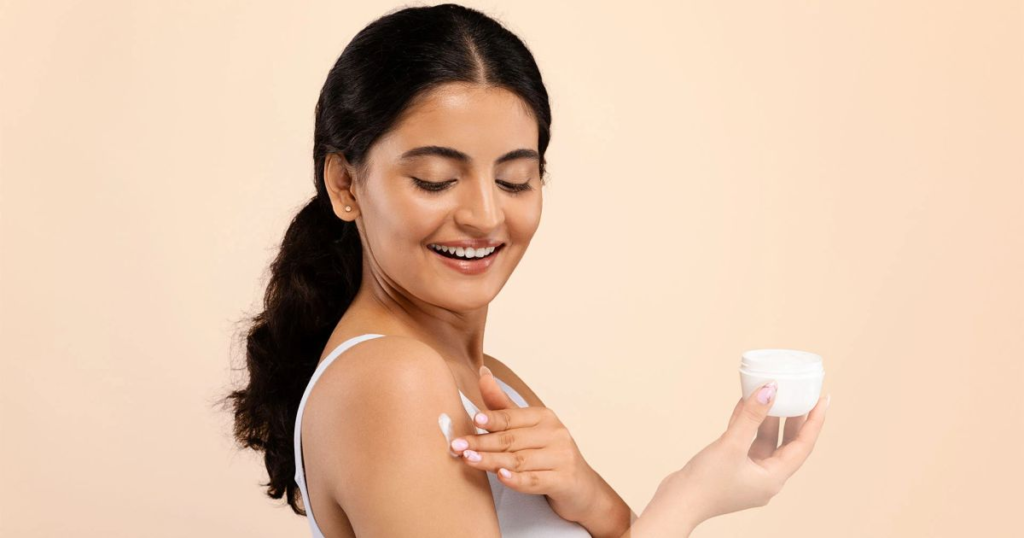
It’s almost funny when you step back and look at how differently we treat the skin on our face versus the skin on the rest of our body. Most of us have spent hours reading reviews, watching videos, or testing out face products. We buy specialized serums for individual pores, eye creams for tiny lines, gentle pH-balanced cleansers, and we wouldn’t dream of stepping outside on a sunny afternoon without applying facial sunscreen. But just like our face, our body deserves the same thoughtful approach to body care, too.
Meanwhile, everything below our jawline gets treated like an old leather boot. We hop into a quick shower, blast ourselves with scalding water, scrub down with whatever five-in-one body wash or harsh bar soap happens to be sitting on the tile ledge, aggressively drag a towel across our legs, throw on clothes, and run out the door.
Then winter rolls around, and your shins look like a dried-up lake bed, your elbows feel like rough sandpaper, your shoulders break out unexpectedly, or your heels start splitting, and you wonder what went wrong.
The reality is that the skin on your body operates on the exact same biological rules as the skin on your face. It has a protective moisture barrier, it sheds dead cells, it reacts to inflammation, and it gets damaged by the environment. The only real difference is that body skin is thicker in some spots—like your elbows, knees, and heels—and has a higher density of sweat and oil glands in others, like your chest and upper back.
You do not need a complicated, 10-step nightly body care ritual or a bathroom counter overflowing with aesthetic, expensive glass bottles to fix this. Real body care is actually remarkably simple once you stop doing the handful of small, daily habits that are actively destroying your skin barrier.
What’s Really Happening in the Shower

The shower is usually where body care goes wrong first. It’s where we make the choices that set our skin up to be either comfortable and balanced, or itchy, tight, and inflamed for the rest of the day.
The Lie of the “Squeaky Clean” Finish
A lot of us grew up conditioned by old commercials to believe that if your skin doesn’t feel tight and squeaky after a wash, you aren’t actually clean. We think that squeakiness means we’ve erased all the dirt.
In reality, that tight, squeaky feeling is your skin screaming in distress. It means you’ve just completely washed away your skin’s natural lipid barrier—the delicate layer of oils, ceramides, and fatty acids that keeps moisture locked inside your body and keeps environmental irritants out.
When you strip that barrier away with harsh, drying soaps, your skin responds in one of two ways: it either turns extremely dry, red, and flaky, or it panics and starts overproducing oil to compensate, which leads to body breakouts.
If you dry off after a shower and your skin immediately feels tight or itchy, ditch the heavy bar soaps and sulfates. Switch to a mild, hydrating, cream-based body wash.
And honestly? Unless you’ve been doing heavy physical labor, sweating excessively at the gym, or working outdoors in the dirt, you do not need to lather soap over every single square inch of your arms and legs every day. Your limbs have far fewer oil glands and dry out easily. Focus your cleanser on the areas that actually produce sweat and odor—like your underarms, feet, and groin—and simply let the warm water flow over the rest of your body.
The Scalding Hot Water Trap
We all know how good a steaming, hot shower feels. After a freezing cold morning, a stressful day at work, or a tough workout, stepping under scalding water feels like instant therapy for sore muscles and tired minds.
Unfortunately, super hot water is absolute murder on your skin barrier. Hot water acts as an effective solvent on your skin’s natural oils. It literally melts them away in minutes, leaving your skin raw and defenseless.
You don’t have to punish yourself with freezing cold ice baths, but just turning the temperature dial down a notch or two so the water is comfortably warm rather than steaming hot will solve half of your dry skin issues within a week. If you refuse to give up hot showers entirely, try saving the hot water for the first few minutes to relax, and then turn the temperature down for the rest of the time while you’re actually washing.
The Magic of the Three-Minute Moisture Window
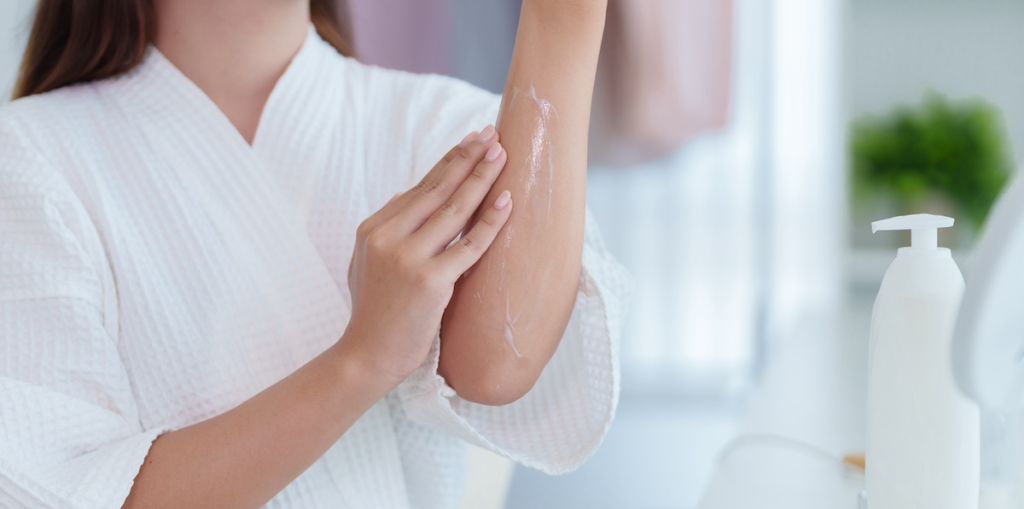
If you only take one piece of advice away from this entire conversation, make it this one: stop rubbing yourself bone-dry with a towel before you put on your lotion.
When you step out of the shower, gently pat your skin with a towel so you aren’t dripping water all over the bath mat, but leave your skin visibly damp. Then immediately apply your body lotion or cream right away, while you’re still standing in the steam-filled bathroom.
Why does this matter so much? Because moisturizer does not magically create water out of thin air. Lotions and creams are designed to trap existing moisture. Applying your lotion onto damp skin seals all that leftover shower water directly into your skin’s surface layers, absorbs twice as fast, keeps you hydrated for much longer, and stops that annoying white lotion streakiness that happens when you try to rub thick cream onto bone-dry skin.
Fixing the Rough Spots Without Destroying Your Skin
When people notice rough, dark, or calloused skin on their elbows, knees, or the back of their legs (often called “strawberry legs” or keratosis pilaris), their immediate instinct is to fight it. They grab a harsh mesh loofah, a rough pumice stone, or an aggressive physical scrub, and start scrubbing the area as hard as they can in the shower.
This almost always backfires.
When you scrub inflamed or thick skin aggressively, your skin perceives that friction as an attack. To protect itself, it responds by producing even thicker layers of dead keratin, which turns the area rougher, bumpier, and darker over time.
If you want smooth knees, soft elbows, and clear legs, you have to replace physical aggression with gentle chemical dissolution. Instead of scrubbing, look for body lotions or creams that contain active ingredients like lactic acid, urea, or salicylic acid.
These ingredients work quietly behind the scenes. They gently dissolve the molecular “glue” that holds dead, hardened skin cells together without causing friction or tearing the skin barrier. If you apply a thick layer of a urea or lactic acid cream to your elbows, knees, or the backs of your thighs before you go to bed, those rough patches will gradually soften and smooth out on their own over a couple of weeks without a single minute of painful scrubbing.
Demystifying Body Breakouts and “Backne”
Getting breakouts on your back, chest, or shoulders is incredibly common, but it can be frustratingly persistent if you don’t know what’s causing it.
Body acne happens when excess oil, dead skin cells, and sweat get trapped inside pores. However, two very common everyday habits make this problem ten times worse without people ever realizing it:
The Hidden Hair Conditioner Trap
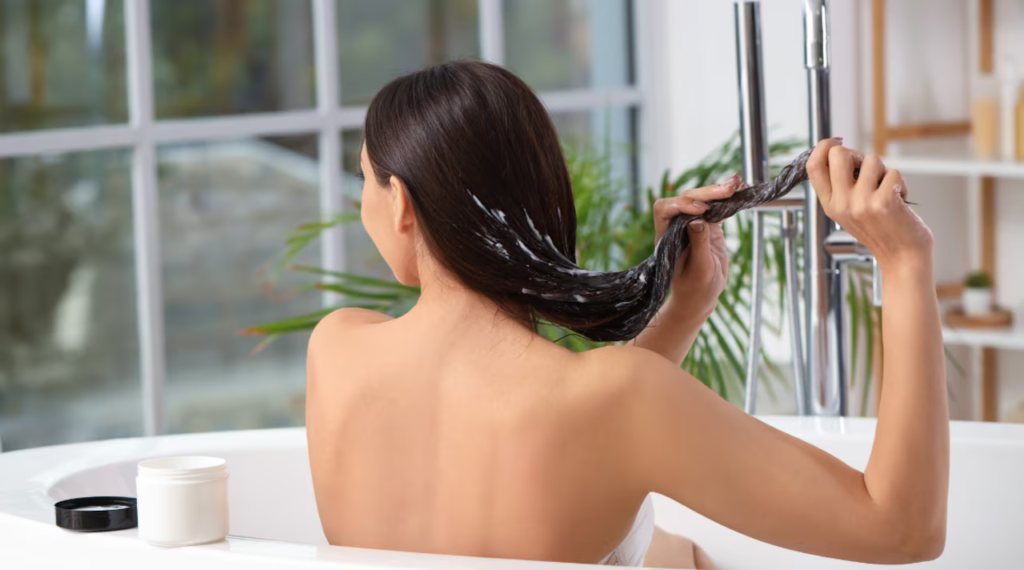
Think about your normal shower sequence. Most people wash their hair, slap in a rich conditioner, let it sit for a few minutes, and then rinse it out at the end. As you rinse, that heavy conditioner runs down your neck, over your shoulders, and down your entire back.
Hair conditioners are specifically engineered to stick to hair strands using heavy oils, silicones, and smoothing agents. When those same ingredients wash down your back, they settle directly into your pores, leaving an invisible film that standard water won’t rinse away. That film clogs pores fast, leading to chronic back and shoulder breakouts.
The fix is incredibly simple: change your shower order. Wash your hair, apply your conditioner, and rinse it out completely first. Then, pull your hair up out of the way, and wash your body last. Washing your shoulders and back after rinsing your hair ensures you wash away any lingering silicone or oil film before you step out of the shower.
The Sweaty Gym Clothes Delay
Sweat itself doesn’t inherently cause acne, but sweat trapped tightly against your skin under synthetic fabrics—like sports bras, leggings, or compression shirts—creates a warm, humid environment where bacteria and yeast thrive.
When you finish a workout, sit in your sweaty clothes while driving home, answering emails, or cooking dinner, you are giving that bacteria hours to settle into your hair follicles.
If you can shower immediately after working out, great. But if you can’t, at least take off your damp workout gear right away, gently wipe off the sweat with a clean towel, and throw on a loose, breathable cotton t-shirt until you can get to a shower.
What to Do About Shaving Irritation
Shaving is essentially pulling a sharp piece of metal directly across your skin over and over again. Done incorrectly, it strips the top layer of skin, tugs on hair follicles, and causes razor burn, painful red bumps, and ingrown hairs.
To keep your skin calm during and after shaving, keep a few basic rules in mind:
- Never shave dry skin or use plain water. Always give the blade proper slip by using a rich shaving gel, a hydrating cream wash, or even a generous layer of hair conditioner.
- Shave at the very end of your shower. Letting warm water rest on your skin for five minutes before you shave softens the hair shafts, making them infinitely easier for the blade to cut cleanly without tugging.
- Stop shaving against the grain on sensitive areas. Shaving against the direction of hair growth might give you an ultra-close shave for a few hours, but as the hair grows back, it gets trapped under the skin surface, causing painful ingrown bumps. Shave in the direction the hair actually grows.
- Throw away dull razors. A dull blade doesn’t cut hair smoothly—it drags, scrapes, and tears the skin. If your razor starts pulling or feels scratchy, replace the blade immediately.
The Unsung Heroes: Caring for Your Hands and Feet
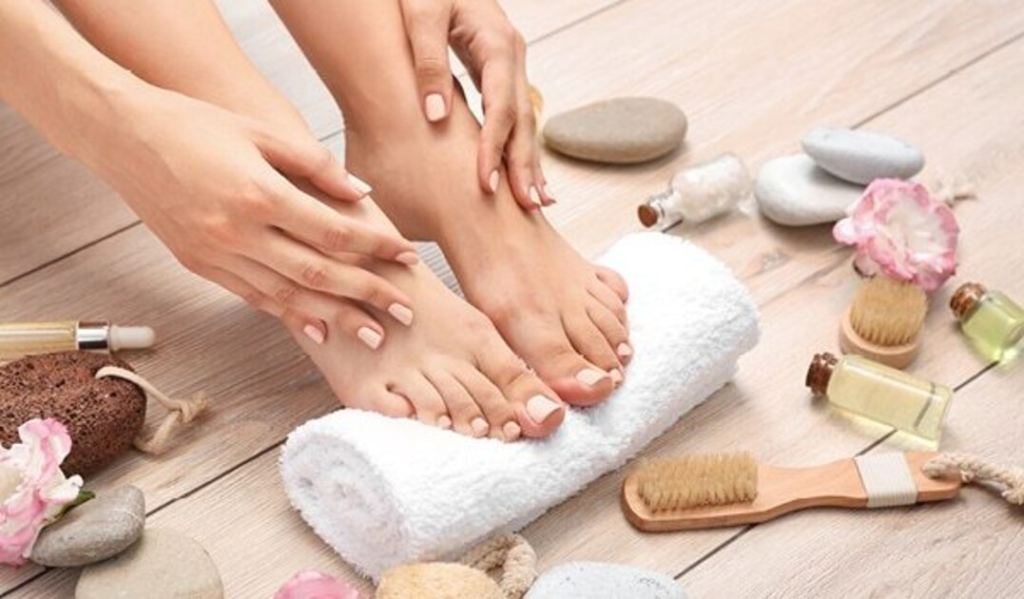
Our hands and feet do the heaviest physical work of any body part every single day, yet we treat them like total afterthoughts until they start hurting or cracking.
Hand Care in a World of Constant Washing
Think about how many times a day you wash your hands. Between bathroom trips, cooking, cleaning, and handling dirty items, your hands are exposed to harsh soap and water dozens of times a day. Commercial soap in public restrooms or office buildings is notoriously harsh, stripping away every bit of moisture and leaving the knuckles raw, red, and cracked during colder months.
To protect your hands, place a simple, inexpensive tube of hand cream everywhere you spend time—right next to your bathroom sink, on your kitchen counter, on your work desk, or in your car. Getting into the habit of applying a small dab of cream right after you wash your hands keeps the skin supple and prevents painful deep cracks around your cuticles and knuckles.
The Over-Night Feet Rescue Plan
You don’t need expensive foot files, electric rasps, or costly salon pedicures to fix dry, cracked heels. In fact, filing your heels too aggressively often causes the skin to grow back even thicker to protect itself from the friction.
Instead, try this effortless overnight routine: right before you go to sleep, apply a generous, thick layer of plain petroleum jelly or a rich tub cream directly onto your heels and the soles of your feet. Immediately slip on a pair of clean, breathable cotton socks to keep the cream from rubbing off on your bed sheets, and go to sleep.
The socks trap the heavy moisturizer against your skin all night long. Do this three nights in a row, and your feet will feel completely transformed without any painful scraping or filing.
Fabrics, Sheets, and Your Surrounding Environment
Taking care of your body skin isn’t just about what you apply in the bathroom; it’s also about what touches your body for the other twenty-three hours of the day.
Breathable Clothing
If you have sensitive skin, eczema, or are prone to sudden body itchiness, pay attention to the clothes you wear. Synthetic fabrics like polyester or nylon trap heat and sweat against the skin, creating friction and irritation. Scratchy wools can also trigger instant contact dermatitis. Whenever possible, choose soft, breathable, natural fabrics like cotton, linen, or bamboo—especially for your underwear, sleepwear, and workout clothes.
The Towel and Sheet Reality Check
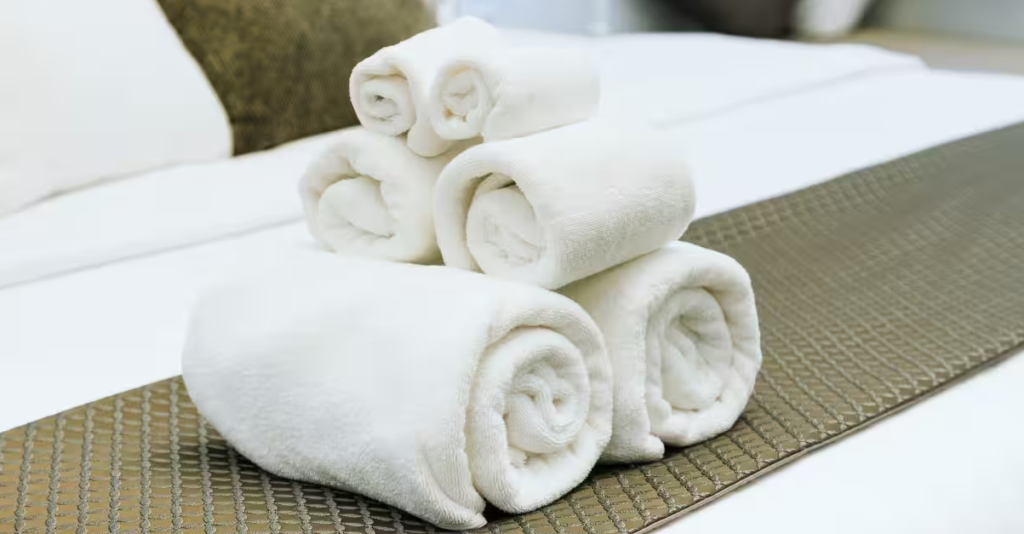
Think about your bath towel. It lives in a warm, humid bathroom, absorbing water and dead skin cells every time you dry off. If you leave a damp towel bunched up on a hook, it becomes a perfect breeding ground for mold and bacteria within days. Rubbing that back onto your freshly washed skin is a fast track to breakouts and irritation. Hang your towels flat so they can dry completely between uses, and swap them out for clean ones every few days.
The same rule applies to your bed sheets. You spend roughly a third of your entire life in bed, shedding dead skin cells, natural body oils, and night sweat directly into your cotton sheets. Washing your bed sheets in warm water every single week removes that buildup and keeps your skin clear and calm.
Shopping Smart: What You Actually Need to Buy
You do not need to spend hundreds of dollars at luxury boutiques or buy aesthetic, expensive products to have healthy, comfortable body skin. In fact, heavily fragranced luxury lotions that smell like tropical fruits or perfume are often full of synthetic scents that trigger allergies, redness, and severe skin itching.
When you’re at the store, you can build an incredible, dermatologist-approved body routine on a tiny budget by focusing on just three core essentials:
- A large, gentle, fragrance-free body wash: Look for simple formulas designed for sensitive skin that clean without leaving your skin feeling tight or stripped.
- A big tub cream instead of a thin pump lotion: Creams that come in rounded tubs are almost always thicker, richer, and contain a higher concentration of protective lipids than light lotions in pump bottles. They offer far superior hydration per dollar.
- A simple, broad-spectrum body sunscreen: Keep a basic bottle of broad-spectrum SPF 30 or higher near your front door for days when your arms, neck, shoulders, or legs are exposed to the sun.
Everything else—exfoliating body scrubs, body oils, scented sprays, specialized firming gels—is purely optional extra credit if you happen to enjoy the sensory ritual of using them. None of them are necessary for healthy skin.
Real Skin vs. Internet Perfection
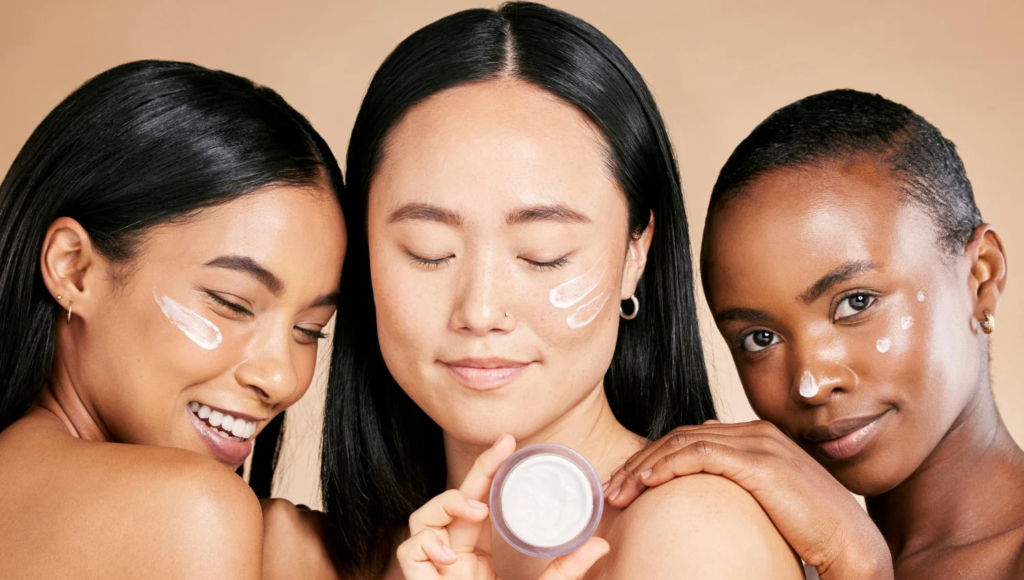
At the end of the day, it is crucial to remember that your skin is an active, living organ—not an ornament designed to look like an airbrushed photograph or smooth, poreless glass.
Real human body skin has texture. It has pores, tiny hairs, goosebumps, stretch marks, scars, veins, and natural variations in tone from joint to joint. Your skin will have great days where it feels perfectly soft, and it will have days where it feels a little dry, broken out, or irritated because the weather changed or you were stressed out. That is completely normal.
Taking care of your body skin shouldn’t feel like a demanding second job or a rigid beauty regime full of rules and guilt. It’s simply about taking five minutes out of your day to treat your body with a little practical care. Keep your showers warm, lock in moisture while you’re still damp, protect yourself when you’re out in the sun, and don’t overcomplicate it.
FAQ’S
Q: How often do I actually need to slap on body lotion?
A: Whenever your skin feels tight or dry—usually right after showering on damp skin, but don’t stress over doing it every single day.
Q: Why does my skin feel horribly itchy right after I shower?
A: Your shower is probably way too hot, or your soap is stripping your natural oils. Turn down the heat and grab a gentler wash.
Q: Can I just use my face moisturizer on my body to keep things simple?
A: Sure, but you’ll burn through tiny, expensive bottles fast. Grab a big, cheap drugstore cream tub for your body instead.
Q: Should I scrub with a loofah every time I wash?
A: Skip it—loofahs harbor nasty bacteria and daily scrubbing irritates your skin. A gentle wash with your hands works so much better.
Q: What’s the easiest way to fix cracked heels overnight?
A: Slather them in plain Vaseline or a thick cream, toss on a pair of clean cotton socks, and let it work while you sleep.