

How many times today have you looked at your phone? If you’re anything like the rest of us, you probably lost count before lunch.
You wake up and reach for that little glowing rectangle before you’ve even rubbed the sleep out of your eyes. You scroll through headlines while waiting for your coffee to brew. You stare at a computer screen all day for work, take “breaks” by checking your notifications, check your messages over dinner, and then wind down at night by staring at another screen until your eyes burn. And then, right before you fall asleep, you put the phone on your nightstand and wonder: Where on earth did the day go?
Look, technology isn’t evil. It’s made our lives ridiculously convenient. We can video chat with someone on the other side of the planet, order groceries from the couch, and look up literally any fact in five seconds flat.
But there’s a quiet, heavy price we pay for being reachable every single second of the day.
When picking up your phone becomes a muscle-memory reflex instead of something you consciously choose to do, technology stops being a helpful tool. It starts controlling you. You might notice you’re feeling subtly anxious, constantly exhausted, easily distracted, or weirdly lonely—even though you’re technically “connected” to more people than ever before.
That’s where a digital detox comes in.
Now, don’t worry. A digital detox doesn’t mean you have to throw your smartphone in a lake, delete all your accounts, and go live off the grid. For almost all of us, that’s completely unrealistic. Instead, it’s just about hitting pause. It’s about setting a few sane, healthy boundaries so you can get back in the driver’s seat of your own life.
So, how do you know if your phone habits have crossed the line? Here are ten undeniable signs that your brain is practically begging you for a break.
You Check Your Phone Without Even Knowing Why You Did It

Have you ever unlocked your phone, tapped through three different apps, and then suddenly paused because you realized you had zero reason to open it in the first place?
Nobody called. No messages came through. Nothing happened. Your hand just reached out, grabbed the phone, and unlocked it on total autopilot.
This is the classic “phantom check.” It happens in all those tiny, quiet micro-moments of daily life: standing in an elevator, waiting for the kettle to boil, sitting at a red light, or waiting for a friend to come back from the bathroom.
Our brains have become so accustomed to constant stimulation that we’ve lost the ability to sit through ten seconds of silence or boredom without reaching for a fix. If your default response to any moment of downtime is to stare at a screen, your nervous system is running on overdrive.
Leaving Your Phone in Another Room Gives You Slight Panic
Pay attention to how your body reacts when you accidentally leave your phone upstairs, or when your battery icon turns red and hits 5%. Do you feel a strange little flutter of anxiety in your chest? Do you catch yourself constantly patting your pockets just to make sure that heavy little piece of glass and metal is still there?
When a device becomes so central to your day that being separated from it makes you uncomfortable, your brain is treating it like a security blanket. But keeping yourself tethered 24/7 keeps you in a state of low-grade, constant alertness. You’re always waiting for the next ping, update, or emergency.
You should be able to walk into the kitchen, eat a meal, or sit in the yard without feeling like you’re missing out on the entire world just because your phone is charging in another room.
You Doomscroll Way Past the Point of Exhaustion
Your eyes are dry. Your neck aches. You’ve yawned three times in the last minute, and you have to get up for work in five hours. You tell yourself, “Okay, just five more minutes…”
And yet, twenty minutes later, you’re still swiping through short videos, reading heated comment section fights between strangers, or looking at photos of people you haven’t spoken to since high school.
This isn’t just a lack of willpower on your part—it’s built this way on purpose. Apps use something called “infinite scroll” specifically so your brain never encounters a natural stopping point. Think about a physical book: a chapter ends, and you close it. But a social feed never ends. There’s always one more video, one more post, one more story.
On top of that, the blue light pouring into your eyes tricks your brain into thinking it’s bright daylight, stopping your body from producing the melatonin you need to actually fall asleep. You’re essentially forcing your brain to stay awake while your body is exhausted.
Your Attention Span Feels Totally Shot

Try sitting down to read ten pages of a physical book, watch a movie without checking your phone, or write a simple work email. Does it feel almost physically uncomfortable to stay focused on that one thing?
When you’re constantly jumping between apps, text messages, notifications, and headlines, your brain gets addicted to rapid hits of new information. Over time, it rewires what you expect out of life. Normal, slower activities start to feel unbearable because they don’t give you a fresh visual reward every six seconds.You end up living in a state of fractured focus. You start a task, get interrupted by a chime, check a message, forget what you were doing, and spend five minutes trying to get back on track. It’s exhausting, and it drains your mental energy long before the day is over.
You Silently Compare Your Mundane Life to Everyone Else’s Best Moments
You sit down on the couch after a long, messy day, pull up your feed, and start scrolling.
In less than two minutes, you see someone drinking a cocktail on a beach in Europe, someone else announcing a huge career promotion, a couple posing in a gorgeously decorated kitchen, and a flawless morning routine video.
Without even realizing it, you look down at your own messy coffee table, your sweatpants, and your pile of unfolded laundry, and you feel a quiet wave of disappointment, envy, or inadequacy wash over you.
It is so easy to forget that nobody posts their boring Tuesday afternoons, their fights, their unpaid bills, or their bad hair days. When you consume a steady stream of everyone else’s best, most polished moments, your brain starts to think that’s what normal life should look like. If looking at your screen consistently leaves you feeling worse about your real life, it’s time to close the app and look up.
You’ve Forgotten How to Just Be Bored
When was the last time you took a walk without wearing headphones? Or drove your car in complete silence? Or sat on a porch and just looked at the trees without pulling out a device to check something?
For a lot of us, silence has become terrifying. We’ve trained ourselves to need background noise or visual distractions during every single waking second.
But boredom isn’t a disease that needs to be cured instantly. In fact, your brain actually needs quiet downtime to process your life, work through problems, and come up with creative ideas. When you fill every empty gap in your day with a screen, you rob yourself of the head space you need to just think clearly and breathe.
Your Real-Life Conversations Are Split Across a Screen
Picture this: You’re sitting across the table from a friend or family member who is telling you a story about their week. Halfway through, your phone buzzes on the table. Without even thinking, your eyes glance down to read the pop-up text. You keep nodding and saying “yeah, totally,” but half your attention is now somewhere else.
We do this so often now that we barely even notice how hurtful it is.
Even if you don’t physically pick the phone up, just leaving it sitting face-up on the table changes the dynamic of a conversation. It sends an unspoken signal to the person sitting right in front of you: “I’m listening to you for now, but if something more interesting pops up on this screen, you lose.”

When screens start crowding into your real-world relationships, those connections quietly start to fray.
You Feel Mentally Drain After “Relaxing” Online
Have you ever spent an hour lying on the couch scrolling through feeds, only to stand up feeling more tired, cranky, and brain-fogged than you were before you sat down?
That’s because scrolling through content isn’t actual rest.
Even if your body is sitting completely still, your brain is working overtime. It’s reading headlines, judging images, reacting to opinions, watching rapid visual changes, and emotionally responding to a hundred different things a minute.
That is heavy cognitive work. If your main way of unwinding at the end of the day involves staring at a glowing screen, your brain never actually gets the deep, quiet downtime it needs to recover from daily stress.
You Feel a Constant Pressure to Reply Instantly
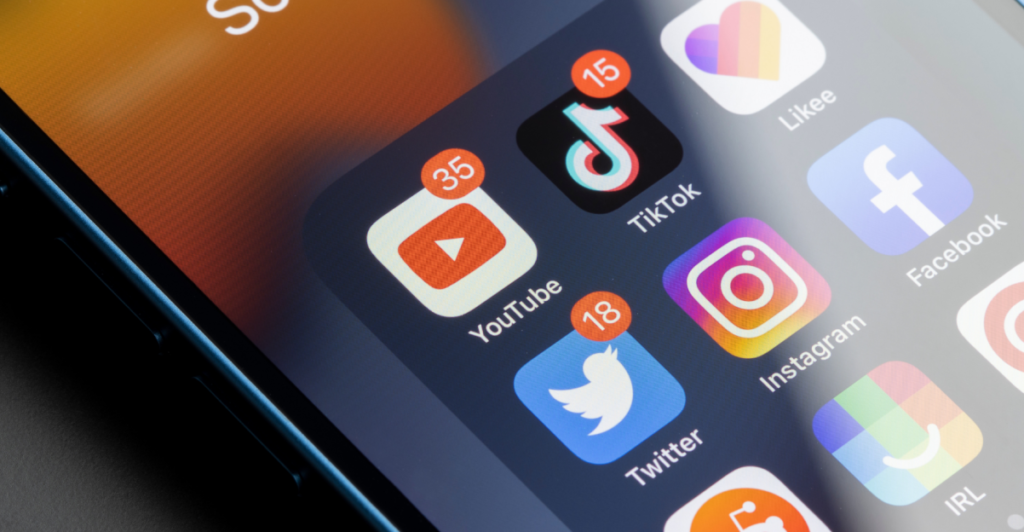
A notification pops up, you drop whatever you’re doing, open the app, and type back a quick response. Repeat that process forty times a day, and you aren’t running your own schedule anymore—you’re just reacting to everyone else’s.
Somewhere along the line, we all silently agreed that because technology allows us to communicate instantly, we are obligated to respond instantly. But that’s a total illusion.
When you live with a constant, underlying worry about leaving a text unread or an email sitting for a couple of hours, you’re living under a level of artificial urgency that will eventually burn you out. You are allowed to take your time. You are allowed to be busy living your actual life.
Your Offline Hobbies Are Quietly Disappearing
Think back a few years. What did you used to love doing before smartphones took over every spare hour?
Did you read books? Draw? Play an instrument? Garden? Work on cars? Cook long recipes from scratch?
If you ask most adults why they stopped doing those things, the answer is almost always: “I just don’t have time anymore.”
But if you open up your phone’s built-in screen-time settings, you might be shocked to see that you’re spending two, three, or maybe four hours a day on social media and entertainment apps. The time is there—it’s just being quietly eaten away, fifteen minutes at a time, by algorithms engineered to hold your attention.
When online content completely displaces the tangible, hands-on things that bring you real joy and fulfillment, taking a step back isn’t just a nice idea—it’s essential.
How to Reclaim Your Time Without Giving Up Tech
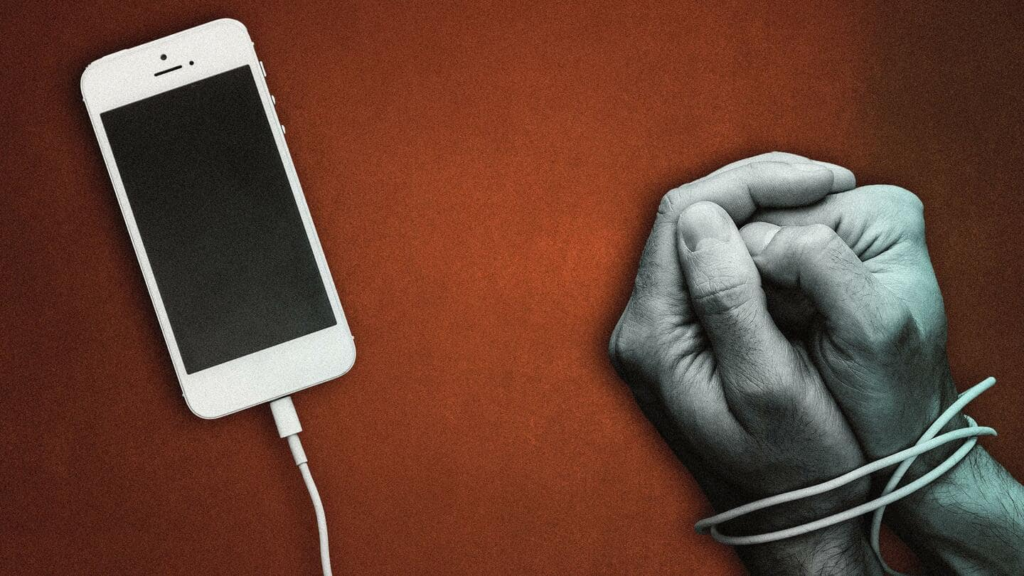
If any of those ten points hit a little too close to home, take a deep breath. You don’t have to throw your phone away or do anything drastic to fix this. Small, simple changes make a massive difference.
Start by making your phone less tempting. Go into your settings and turn off all notifications except for real calls and texts from actual people. News alerts, app reminders, and social media likes can all wait until you decide to go look at them.
Next, try getting the phone out of your bedroom. Buy a simple ten-dollar alarm clock for your nightstand and charge your phone down the hall or in another room overnight. Eliminating late-night scrolling and stopping yourself from checking notifications the second you wake up will change your sleep and your morning mood almost immediately.
Finally, set up a few basic screen-free zones in your daily routine. Make your meals screen-free so you can actually taste your food or talk to the people sitting with you. Give yourself the first 30 minutes of your morning and the last 30 minutes of your night to just be present in your physical space.
When you step away from the constant noise of the digital world, even just for a few hours a day, the initial itch to check your phone will fade. Your mind settles down, your focus comes back, and you start noticing the real world again.
Your phone will still be sitting there whenever you decide to pick it up. The emails can wait, the videos can wait, and the feeds will keep spinning regardless. But the quiet moments, the real conversations, and the life happening right in front of you are happening right now. Put the screen down for a bit and enjoy them.
FAQ’s
Q: Do I really have to live like a monk and throw my phone in a lake?
God no—nobody’s asking you to move into a cabin in the woods, just stop letting your phone invade every single second of your day.
Q: How long until my brain actually stops feeling like mush?
Honestly, just taking a single phone-free afternoon will give your head enough breathing room that you’ll feel noticeably lighter by bedtime.
Q: What if there’s a real emergency while my phone is hidden away?
Set your phone so actual phone calls from mom or your partner ring out loud while all the annoying app pings stay totally quiet.
Q: Why do my hands literally itch to grab my phone the second I put it down?
It’s basically muscle memory and cheap dopamine cravings—your brain is just bored, but that phantom twitch goes away surprisingly fast if you stick it out.
Q: What’s one super painless thing I can do right this second?
Charge your phone across the room tonight so you don’t spend your first twenty minutes awake doomscrolling in bed.