

Let’s be honest for a second. Most personal finance advice out there sounds like it was written by an accountant who hates fun.
You’re usually told to cut out your morning coffee, build massive multi-tab spreadsheets, or live off beans and rice until you’re sixty. But in the real world? That kind of strictness never lasts. You end up feeling restricted, burn out after two weeks, and go right back to spending money the way you always did.
Managing your money doesn’t mean punishing yourself. It’s simply about getting clear on where your cash goes so you can stop worrying about unexpected bills and actually start enjoying your life.
If you’re ready to stop guessing and get a real grip on your bank account, here are a few practical, down-to-earth ways to make it happen.
1. Get Honest About Where Your Cash Is Going

Before you start setting big money goals, you need to know what you’re actually dealing with. Most of us have a vague idea of what we make every month, but we almost always underestimate what we spend.
You buy a quick lunch here, pay a small subscription fee there, grab groceries twice in three days, and suddenly you’re wondering why your checking account looks so thin a week before payday.
Try a 30-Day Money Audit
For just one month, don’t change how you spend—just track it. You don’t need fancy software or complicated tools. A basic pocket notebook, a phone app, or a simple draft note works completely fine.
Separate your spending into three general buckets:
- The Non-Negotiables: Rent or mortgage, electricity, loan payments, groceries, and basic insurance.
- The Flexible Essentials: Transportation, gas, phone plans, and routine household supplies.
- The “Fun & Random” Stuff: Weekend takeaways, impulse online orders, coffee runs, and digital subscriptions.
The goal here isn’t to make you feel guilty about buying a pizza on Friday night. It’s simply about building awareness. When you see exact numbers in front of you, the mysterious “disappearing money” suddenly makes total sense.
Intuit
2. Ditch Rigid Budgets for the 50/30/20 Benchmark
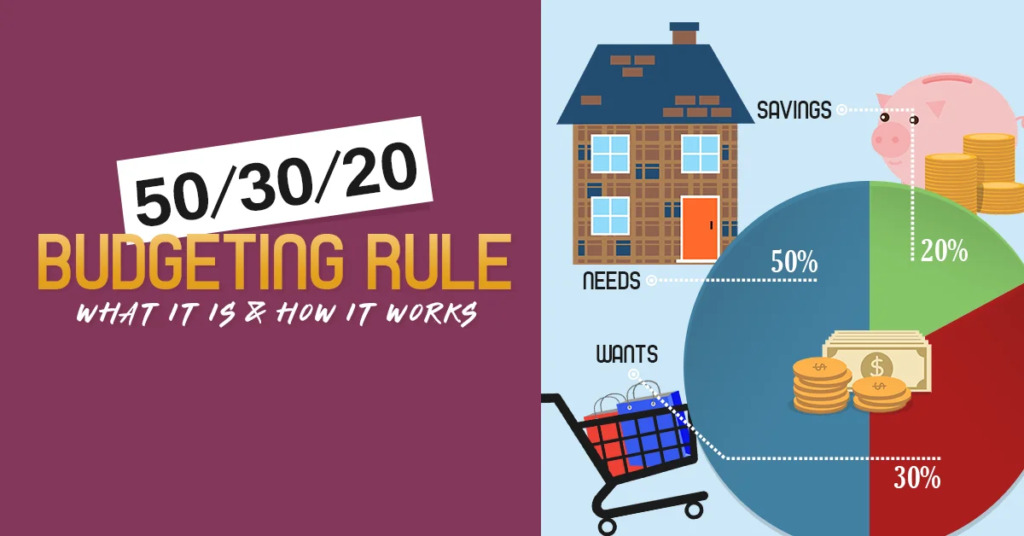
If tracking every single penny feels exhausting, stop doing it. Rigid budgets fall apart the moment an unexpected dinner invite or car repair pops up. Instead, try giving your income a loose, manageable shape with the 50/30/20 framework:
| Percentage | Category | What It Covers |
|---|---|---|
| 50% | Needs | Your absolute basics: housing, basic groceries, utilities, and debt minimums. |
| 30% | Wants | Life enjoyment: dining out, hobbies, streaming services, and weekend trips. |
| 20% | Future You | Savings accounts, investments, and extra debt payoff. |
Think of these percentages as general guidelines rather than strict rules. If you live in a high-cost area, your “Needs” might take up 60%, leaving 20% for “Wants” and 20% for “Future You.” That’s totally okay. The magic lies in having an intentional plan so your spending doesn’t just run wild.
3. Pay Yourself First (Before You Spend a Single Dime)
Here is a common trap: you tell yourself you’ll save “whatever is left over” at the end of the month.
Spoiler alert: there is never anything left over. Spending naturally expands to fill whatever cash is sitting in your checking account.
Flip the system around. The moment your paycheck hits your bank account, move a set amount straight into your savings or investment accounts.
Put It on Autopilot
- Set up an automatic recurring transfer for payday morning.
- Start small if you have to—even $25 or $50 a paycheck adds up fast over time.
- Once that cash is moved out of sight, you can spend the rest of your checking balance without feeling an ounce of guilt, knowing your savings are already taken care of.
4. Build a Proper “Life Happens” Cushion

If a flat tire, an unexpected dental visit, or a sudden home repair feels like an absolute financial crisis, it usually means you’re running without a safety net.
An emergency fund isn’t meant to make you rich—it’s designed to keep a bad week from turning into six months of credit card debt.
[Starter Cushion: $1,000] ──> [3-6 Months Expenses] ──> [Total Peace of Mind]
- Step 1: Focus on building a quick starter buffer of around $1,000 as fast as you can.
- Step 2: Gradually build that up to cover 3 to 6 months of basic living costs.
- Where to keep it: Park this cash in a high-yield savings account (HYSA). It stays liquid so you can access it instantly, but it earns decent interest while sitting there idle.
5. Kill Off High-Interest Debt Strategically
Not all debt is created equal. A manageable mortgage or a low-rate student loan isn’t ideal, but it’s not active fire either. Credit card debt carrying 20% to 30% interest rates? That is a financial emergency. High interest acts like a giant hole in the bottom of your financial bucket.
If you are juggling multiple card balances, pick a clear strategy to eliminate them:
- The Math Method (Debt Avalanche): Throw all your extra money at the debt with the highest interest rate first while paying minimums on the rest. This saves you the maximum amount of money in interest over time.
- The Momentum Method (Debt Snowball): Pay off your smallest balance first, regardless of the interest rate. Crossing a balance off your list completely gives you a quick psychological win that keeps you motivated.
Pick whichever method fits your personality best. The math favorite is the Avalanche, but if you need quick wins to stay on track, go with the Snowball
6. Let Compounding Do the Heavy Lifting

Saving money protects you today, but investing is what builds actual long-term wealth. Thanks to inflation, cash sitting in a standard checking account slowly loses purchasing power every single year. You need your money working for you.
Start Sooner Rather Than Bigger
You don’t need thousands of dollars to start investing, and you definitely don’t need to learn how to pick individual stocks.
- Keep it straightforward: Look into low-cost index funds or total market ETFs. These let you buy a tiny piece of hundreds of top companies all at once, spreading out your risk automatically.
- Trust the timeline: A small amount invested consistently in your twenties or thirties will often outgrow a much larger amount started in your late forties, simply because time gives compound interest room to multiply.
7. Simple Mindset Shifts That Actually Save Money

You don’t need to cut out every luxury to save money; you just need to stop spending on things you don’t actually care about.
- The 48-Hour Pause: When you find something online that you suddenly feel you must have, force yourself to wait two days before hitting buy. Nine times out of ten, the impulse fades and you save the cash.
- Calculate in “Work Hours”: If a pair of sneakers costs $150 and you make $20 an hour after tax, ask yourself: “Are these shoes really worth nearly eight hours of my time at work?” It instantly changes how you view price tags.
- Audit Your Subscriptions: Take five minutes today to check your bank statement for recurring app or streaming charges. Cancel anything you haven’t used in the past month—it’s an instant raise.
Small Steps Beat Grand Plans
You don’t need to overhaul your entire financial life by tomorrow morning. Trying to fix everything at once usually leads to overwhelm, and overwhelm leads to doing nothing.
Pick just one action step from this list to tackle this week. Maybe it’s pulling up your last bank statement to do a quick audit, setting up a $25 auto-transfer for payday, or canceling two subscriptions you don’t use.
Stack up small, easy wins month after month. Before long, you’ll look back and realize you’re no longer stressing about money—you’re completely in control of it.
How would you like to build out your personal finance strategy from here?
Design a personalized monthly spending budget
Calculate an payoff plan using Avalanche vs. Snowball
Walk through a beginner’s guide to low-cost index funds
FAQs
1. What is personal finance?
Personal finance means managing your income, expenses, savings, and spending in a smart way.
2. How can I manage my money better?
Create a monthly budget, track your expenses, avoid unnecessary spending, and save a fixed amount regularly.
3. What is the easiest way to save money?
Set a monthly savings goal and save money before spending on non-essential things.
4. Why is budgeting important?
Budgeting helps you understand where your money goes and makes it easier to control your expenses.
5. How much money should I save every month?
Try to save a fixed part of your income every month. Even a small amount can build a good saving habit over time.
Smart Shopping Ideas for Better Deals and Everyday Savings
Look, let’s stop playing around with fancy headers, corporate blog structures, and robot transitions. Smart…
Useful Tech & Gadgets You’ll Want to Try in 2026
Let’s be completely real for a second. If you look at tech magazines, gadget review…

Simple Smart Living Ideas to Make Everyday Life Easier
Life does not always have to be complicated. Sometimes, a few small changes in the…

Helpful Digital Life Tips for Modern Everyday Living
Technology has quietly become part of our everyday routine. Digital Life We use our phones…

Fun Experiences and New Adventures Worth Trying in 2026
Sometimes, life starts feeling a little too predictable. We wake up, Experiences go to work…

Simple Style & Wellness Tips to Upgrade Your Everyday Lifestyle
Let’s stop rushing for just a single second. Seriously. Style & Wellness Put your phone…