
Learning Experiences That Make You Smarter and More Confidentis not only about reading books or sitting in a classroom. Some of the best lessons come from real experiences. Trying something new, making mistakes, joining a course, working on a project, or learning a new skill can teach us things that stay with us for a long time.
Every learning experience gives us a chance to grow. It can improve our knowledge, build our confidence, and help us understand what we are capable of doing. Even when something feels difficult at first, the process of learning can make us more patient and independent.
The good thing is that learning experiences are everywhere. You can learn from your studies, your job, your hobbies, your conversations, and even your mistakes. You do not need to be perfect to learn something new. You only need to be willing to try.
1. Learning a New Skill
Learning a new skill is one of the easiest ways to grow as a person. It could be cooking, writing, photography, graphic design, coding, communication, or another skill that interests you.
At first, you may not know what you are doing. You might make mistakes or feel slow compared with others. But regular practice can make a big difference.
For example, someone who starts learning English may feel nervous while speaking. With daily practice, watching simple videos, and talking to others, they can slowly become more comfortable.
The experience teaches an important lesson: you do not need to be good at something before you start.
2. Joining an Online Course
Online courses have made learning more flexible. You can learn from home and choose a course based on your interests or career goals.
An online course can help you explore topics such as digital marketing, content writing, technology, business, or design.
For example, someone interested in digital marketing might take a beginner course on SEO. At the beginning, terms like keywords, backlinks, and search rankings may seem confusing. After regular practice, these ideas become easier to understand.
This kind of experience can improve both knowledge and confidence.
3. Working on Real Projects

Learning becomes more meaningful when you use your knowledge in a real project.
Instead of only reading about a topic, try creating something with what you have learned.
For example, after learning content writing, you could write a blog about fashion or technology. This gives you a chance to practise headings, keywords, introductions, and conclusions.
Real projects teach you how to solve problems and improve your work.
4. Learning From Mistakes
Mistakes are a natural part of learning. Nobody gets everything right on the first try.
A mistake may feel disappointing, but it can show you exactly what you need to improve.
For example, if you write a blog and realise that the introduction is unclear, you can learn how to make your next introduction more engaging.
Instead of thinking, “I am not good at this,” think, “I know what I need to improve now.”
That change in mindset can make learning much easier.
5. Public Speaking Experiences

Speaking in front of others can feel uncomfortable, especially when you are not used to it.
However, public speaking is a useful skill for studies, work, interviews, and everyday communication.
You can start small. Speak in front of a friend, practise in front of a mirror, or give a short presentation in a class.
For example, a student who is nervous about giving a presentation may feel anxious at first. After practising several times, they may become much more comfortable.
The experience teaches confidence through practice.
6. Learning From Other People
Not every lesson comes from a course or a textbook. Other people can also be great teachers.
Teachers, colleagues, friends, family members, and experienced professionals can share useful ideas based on what they have learned themselves.
For example, talking to someone who has worked in a field you are interested in can give you a more realistic idea of what that career is actually like.
Listening to others can help you discover new perspectives and avoid unnecessary mistakes.
7. Traveling and Exploring New Places

Travel can be a valuable learning experience. Visiting a new place introduces you to different people, cultures, food, traditions, and lifestyles.
Travel also encourages independence because you may need to plan your route, manage your budget, and solve unexpected problems.
For example, getting around an unfamiliar city can teach you how to stay calm and find practical solutions when plans change.
Travel can make you more open-minded and confident.
8. Learning Through Hobbies
Hobbies are not just for entertainment. They can also help you develop useful skills.
Painting can improve creativity. Cooking can improve planning and patience. Photography can improve observation. Reading can expand your knowledge and vocabulary.
For example, someone who starts gardening may learn about plants, patience, planning, and responsibility.
A hobby can become a learning experience without feeling like formal study.
9. Taking Responsibility

Taking responsibility for your own work is another important learning experience.
Whether you are managing a project, completing an assignment, handling household tasks, or preparing for an interview, responsibility teaches you to depend on yourself.
For example, if you are responsible for completing a project by Friday, you need to plan your time instead of waiting until the last moment.
This experience can improve your organisation, discipline, and confidence.
10. Learning From Failure
Failure can teach lessons that success cannot always teach.
When something does not work, you have an opportunity to understand what went wrong and what can be changed.
For example, you may apply for a job and not get selected. That experience could encourage you to improve your resume, communication skills, or interview preparation.
Failure can be difficult, but it can also be a useful step toward improvement.
11. Reading and Exploring Different Ideas

Reading is one of the simplest learning experiences available to us.
Books, articles, and reliable online resources can introduce you to new ideas, cultures, careers, and ways of thinking.
For example, reading about personal finance may help you understand budgeting and saving. Reading about another culture may help you see the world from a different perspective.
The more ideas you explore, the easier it can become to think critically.
12. Learning Through Teamwork
Working with other people teaches skills that are difficult to learn alone.
Teamwork can improve communication, cooperation, patience, and problem-solving.
For example, when working on a college or office project, team members may have different opinions about how to complete the task. Learning to listen, communicate clearly, and find a solution together is an important real-world skill.
These experiences can make you more confident when working with others.
13. Trying Something Outside Your Comfort Zone

Growth often happens when you do something you are not completely comfortable with.
It could be attending a new class, speaking to new people, trying a different activity, or applying for a role that seems challenging.
For example, someone who is shy may decide to join a group discussion. The first few times may feel difficult, but regular participation can make communication easier.
Trying new things shows you that your comfort zone can grow.
14. Teaching Someone Else
One of the best ways to understand something is to explain it to another person.
Teaching someone else forces you to organise your thoughts and make difficult ideas easier to understand.
For example, if you have learned how to create a blog and explain the process to a friend, you may realise which parts you understand well and which parts need more practice.
Teaching can improve both knowledge and confidence.
15. Learning From Everyday Problems

Everyday problems can become useful learning opportunities.
Maybe your phone stops working, you miss a deadline, you need to organise a busy schedule, or you have to find a solution to a small household problem.
Instead of immediately seeing these situations as annoyances, think of them as chances to practise problem-solving.
These everyday experiences can make you more independent and better prepared for future challenges.
How Learning Experiences Build Confidence
Confidence does not always appear suddenly. It often grows through small successes.
When you learn something new and practise it regularly, you start to trust your own abilities.
For example, the first time you create a presentation, you may need a lot of help. After making several presentations, you may find yourself preparing them more comfortably and speaking with greater confidence.
Each experience adds a little more belief in yourself.
Smart Ways to Make Learning More Effective
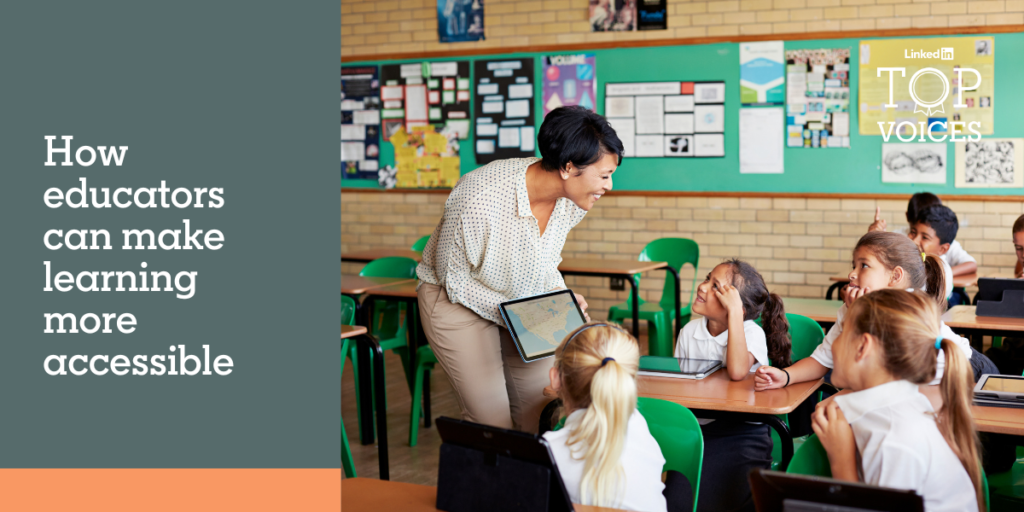
Learning becomes easier when you make it part of your routine. Choose one topic or skill and give it regular attention instead of trying to learn everything at once.
Set small goals that you can actually achieve. Practise what you learn instead of only reading about it. Ask questions when something is unclear, and do not be afraid of mistakes.
For example, instead of saying, “I will become an expert at SEO,” start with a smaller goal such as learning what keywords are and how they are used in a blog.
Small progress can lead to bigger results over time.
The Difference Between Knowing and Learning
Knowing something and being able to use it are not always the same.
You may read many articles about writing, but actually writing a blog teaches you much more about the process. You may watch videos about public speaking, but speaking in front of people gives you real practice.
That is why experiences are so important. They turn information into practical knowledge.
FAQ’S
1. What are learning experiences?
Learning experiences are activities or situations that help you gain knowledge, skills, confidence, or a better understanding of something.
2. How do learning experiences build confidence?
They give you practice and help you see that you can improve through effort and experience.
3. Can mistakes be learning experiences?
Yes. Mistakes can show you what went wrong and help you make better choices next time.
4. What are some examples of learning experiences?
Taking a course, learning a skill, travelling, working on a project, reading, teaching someone, and trying new activities are all examples.
5. How can I get more learning experiences?
Stay curious, try new things, take useful courses, practise skills, and learn from the people and situations around you.
Smart Shopping Ideas for Better Deals and Everyday Savings
Look, let’s stop playing around with fancy headers, corporate blog structures, and robot transitions. Smart…
Useful Tech & Gadgets You’ll Want to Try in 2026
Let’s be completely real for a second. If you look at tech magazines, gadget review…

Simple Smart Living Ideas to Make Everyday Life Easier
Life does not always have to be complicated. Sometimes, a few small changes in the…

Helpful Digital Life Tips for Modern Everyday Living
Technology has quietly become part of our everyday routine. Digital Life We use our phones…

Fun Experiences and New Adventures Worth Trying in 2026
Sometimes, life starts feeling a little too predictable. We wake up, Experiences go to work…

Simple Style & Wellness Tips to Upgrade Your Everyday Lifestyle
Let’s stop rushing for just a single second. Seriously. Style & Wellness Put your phone…