
A better life does not always require big changes. Smart Living Sometimes, a few small habits can make our everyday life easier, healthier, and more organized. We often think that improving our lifestyle means making major changes, but simple steps can also make a real difference
Sometimes, a few small habits can make our everyday life easier, healthier, and more organized. We often think that improving our lifestyle means making major changes, but simple steps can also make a real difference.
Smart living means making thoughtful choices in our daily routine. It can be as simple as planning your day, keeping your surroundings organized, using your time wisely, taking breaks from your phone, and spending time with people who make you feel good.
The best part is that you do not need to change everything at once. Start with one small habit, make it part of your routine, and then slowly add another.
1. Start Your Day With a Simple Plan

A good day often starts with a simple plan. You do not need to create a complicated schedule. Just decide what is most important for the day.
For example, if you have work, study, shopping, and household tasks to complete, write down the most important things first. This can help you stay focused instead of wondering what to do next.
A small plan can save time and make your day feel less stressful.
2. Keep Your Morning Routine Simple
Your morning can affect how you feel throughout the day. Instead of immediately checking social media or spending too much time on your phone, give yourself some quiet time.
Get ready, have your breakfast, organize your things, and think about what you want to accomplish that day.
A simple morning routine can help you start your day with a clear mind.
3. Drink Enough Water

Water is an important part of everyday life. Keeping yourself hydrated is a simple habit that can support your daily routine.
Keep a water bottle nearby so you remember to drink water throughout the day.
Instead of waiting until you feel very thirsty, make drinking water a regular part of your day.
4. Eat More Mindfully
Smart living also means paying attention to what you eat. You do not need to follow a complicated diet to make better food choices.
Try to include a variety of nutritious foods in your meals and avoid making unhealthy food a daily habit.
For example, instead of ordering fast food every time you are busy, you can prepare a simple homemade meal when possible.
Small changes in eating habits can make your daily routine more balanced.
5. Move Your Body Every Day

You do not always need an intense workout to stay active. Simple movement can also be useful.
Walking, stretching, dancing, cycling, or doing household activities can help you stay active.
For example, taking a short walk after spending several hours sitting can be an easy way to add movement to your day.
The important thing is to choose an activity that you enjoy and can do regularly.
6. Manage Your Screen Time
Technology makes life easier, but spending too much time looking at a screen can take away time from other important activities.
Try to notice how much time you spend scrolling through social media, watching videos, or checking your phone.
You can create small phone-free periods during the day. For example, keep your phone away while eating or before going to sleep.
Using technology wisely is an important part of smart living.
7. Keep Your Home Organized

A clean and organized space can make everyday tasks easier.
You do not have to clean your entire home every day. Start with small areas. Put things back in their proper place after using them.
For example, keeping your keys, documents, and everyday items in the same place can save you time when you need them.
An organized environment can also make your day feel calmer.
8. Make a Simple Budget
Money management is an important part of smart living. You do not need to be an expert in finance to manage your money better.
Start by understanding how much money comes in and where it goes.
For example, if you notice that you are spending a lot on unnecessary online shopping, you can set a monthly limit for it.
Saving even a small amount regularly can help you prepare for future needs.
9. Avoid Unnecessary Spending

Before buying something, ask yourself whether you really need it.
Online shopping makes it very easy to purchase things quickly. Sometimes we buy something simply because we see a discount.
For example, if you see a shirt on sale, take a moment to think about whether you actually need it. A discount is not always a saving if you would not have bought the item otherwise.
Smart spending can help you save money without feeling like you are missing out.
10. Learn to Say No
Saying “no” can be difficult, especially when we do not want to disappoint other people.
However, accepting every request can leave you tired and stressed.
If you already have too many responsibilities, it is okay to politely say that you cannot take on something extra.
Learning to protect your time is an important part of living a balanced life.
11. Spend Quality Time With Family and Friends

A good life is not only about work, money, or productivity. Relationships also matter.
Make time to talk with your family, meet friends, or simply sit together without being distracted by your phone.
For example, having dinner together and talking about your day can become a simple but meaningful routine.
Small moments with people you care about can become some of your favorite memories.
12. Take Breaks When You Need Them
Being productive does not mean working continuously.
When you work or study for a long time without a break, you may feel tired and lose focus.
Take short breaks to stretch, walk around, drink water, or simply relax for a few minutes.
A short break can help you return to your task with a fresher mind.
13. Learn Something New

Learning does not have to stop after school or college. You can learn something new at any stage of life.
You could learn a language, improve your computer skills, try cooking, learn photography, or explore a new hobby.
For example, spending 20 minutes a day learning a useful skill can slowly build your knowledge.
Small learning habits can create big changes over time.
14. Sleep on Time
Good sleep is an important part of a healthy daily routine.
Using your phone late at night can make it tempting to stay awake longer. Try creating a relaxing bedtime routine and give yourself enough time to rest.
For example, you can put your phone away for some time before bed and prepare your things for the next morning.
A consistent sleep routine can make mornings easier and help you feel more prepared for the day.
15. Make Time for Yourself

Life can become busy with work, studies, family, and other responsibilities. That is why it is important to make some time for yourself.
You can read a book, listen to music, go for a walk, enjoy a hobby, or simply sit quietly.
You do not need hours of free time. Even a few peaceful minutes can help you relax and recharge.
16. Stop Comparing Your Life With Others
Social media can make it easy to compare your life with other people. You may see someone’s new job, beautiful home, travel photos, or achievements and feel that your own life is not good enough.
But social media usually shows only selected moments.
Everyone has different goals, challenges, and timelines. Instead of comparing yourself with others, focus on your own progress.
Ask yourself, “Am I doing better than I was before?”
That is a much healthier comparison.
17. Practice Gratitude

Gratitude is a simple habit that can change the way you look at everyday life.
Before going to sleep, think about a few things you are thankful for. It could be your family, a good conversation, a successful day at work, or even a peaceful cup of tea.
You do not need a perfect life to appreciate small good moments.
18. Keep Your Digital Life Safe
Smart living also includes being careful online.
Use strong passwords, avoid suspicious links, keep your devices updated, and do not share sensitive information with strangers.
For example, if you receive a message asking for your password or verification code, do not share it without checking whether the request is genuine.
A few simple online safety habits can protect your digital life.
19. Make Small Changes Instead of Big Promises
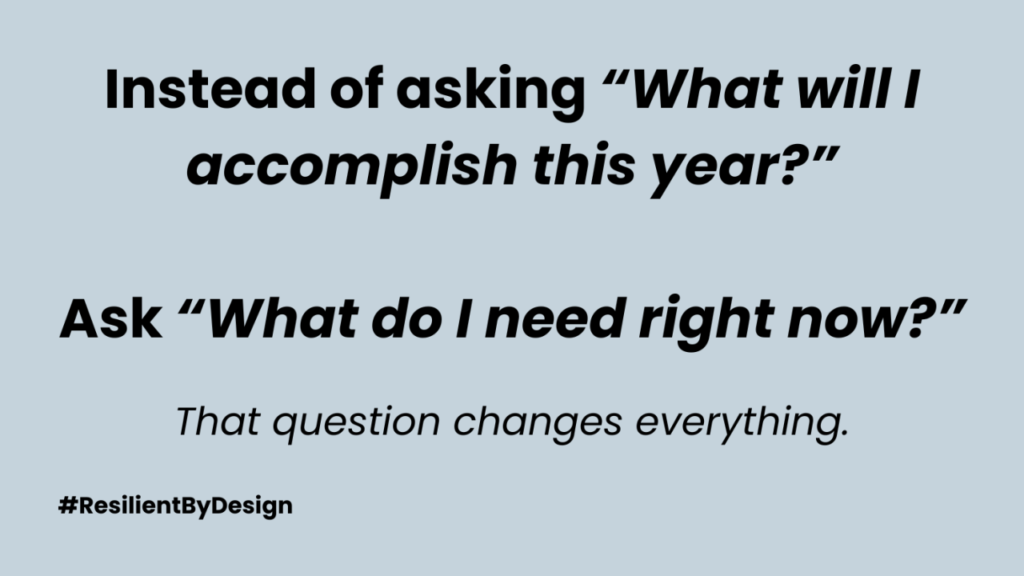
One common mistake is trying to change everything at once.
You may decide to wake up early, exercise every day, eat perfectly, study for hours, save money, and stop using social media—all from tomorrow.
That can become overwhelming.
Instead, choose one habit first. Once it becomes comfortable, add another.
For example, start with a 15-minute walk every day. After making it a regular habit, you can work on another part of your routine.
Small steps are often easier to maintain than big promises.
20. Focus on Progress, Not Perfection
Nobody follows their routine perfectly every day. There will be days when you eat something unhealthy, spend too much time on your phone, skip a workout, or forget your plans.
That does not mean you have failed.
Smart living is about getting back on track rather than expecting perfection
If one day does not go well, simply start again the next day.
FAQs
1. What is Smart Living?
Smart Living means making simple and thoughtful choices that make everyday life easier, healthier, and more organized.
2. What are some easy Smart Living habits?
Planning your day, staying active, drinking enough water, managing screen time, saving money, and keeping your home organized are simple Smart Living habits.
3. How can Smart Living improve daily life?
Smart Living can help you save time, reduce stress, manage money better, and create a more balanced daily routine.
4. How can I start Smart Living?
Start with one small habit, such as making a daily to-do list or reducing unnecessary phone use. Once it becomes easy, add another habit.
5. Is Smart Living expensive?
No. Smart Living is not about spending more money. It is mainly about using your time, money, resources, and energy wisely.