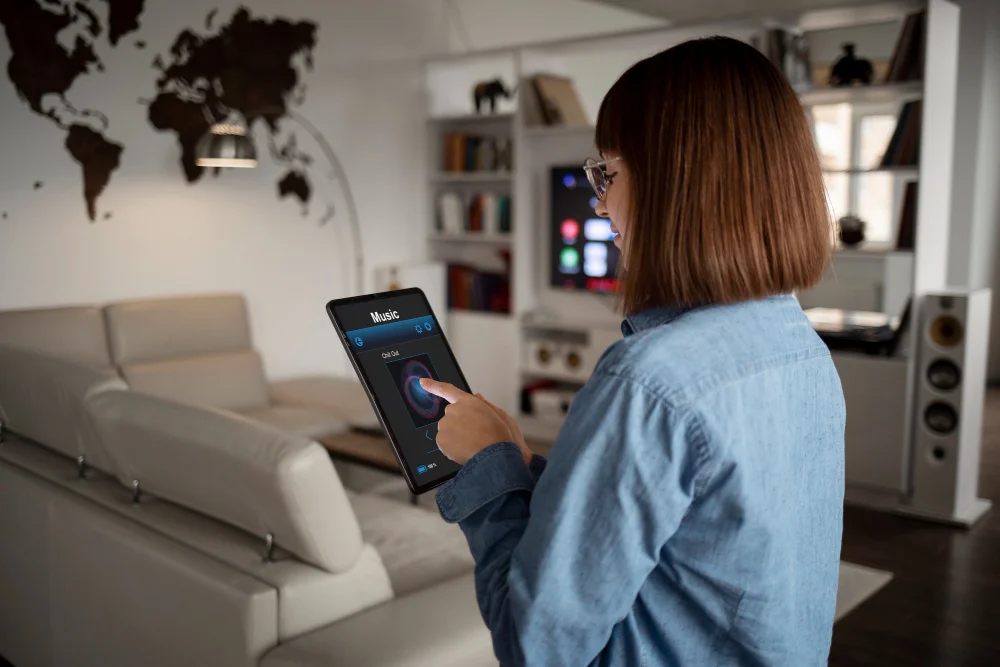

Life today feels constantly rushed. Between work deadlines, family responsibilities, social commitments, and the never-ending to-do list, finding time for yourself often feels impossible. I used to believe that “smart living” was only for people with perfectly organized lives or expensive setups. But over time, I realized something important—smart living isn’t about doing more. It’s about doing less, but better.
These ideas come from my own experience of trying to simplify my daily routine while juggling multiple responsibilities. Small changes made a surprisingly big difference, not only in saving time, but also in reducing stress and unnecessary expenses.
What Smart Living Really Means for Busy People
Smart living doesn’t mean following complicated systems or changing your life overnight. For busy people, it simply means making everyday choices that support your lifestyle instead of draining it.
For me, smart living started when I noticed how much energy I was wasting on repeated decisions—what to cook, what to wear, how to manage small household tasks. Once I simplified those areas, my days felt lighter and more manageable.
Create Simple Daily Routines That Work for You

One of the biggest time-savers in my life has been creating basic routines, not strict schedules. I stopped planning every minute and instead focused on patterns.
For example:
- Mornings are for the same few tasks every day
- Evenings are for winding down, not decision-making
- Weekends are for preparation, not catching up on chaos
When routines are simple, your brain doesn’t have to work as hard. This saves mental energy, which is just as important as saving time.
Plan Once, Use Many Times
Planning doesn’t mean spending hours with a notebook. It means thinking ahead just once so you don’t repeat the same work daily.
I started doing this with meals, household shopping, and even work tasks. Instead of deciding every day, I plan in advance and reuse ideas. This reduced last-minute stress and unnecessary spending caused by impulse decisions.
Smart living is about avoiding “emergency mode” living.
Declutter Your Space to Declutter Your Mind

I didn’t realize how much clutter affected my energy until I started removing it. A crowded space silently demands attention.
You don’t need to become a minimalist. Just remove what you don’t use regularly. When everything has a place:
- Cleaning takes less time
- You stop buying duplicates
- Your mind feels calmer
This one habit alone saved me both time and money.
Choose Quality Over Quantity
Busy people don’t have time for things that break, wear out, or need constant replacement. I learned that owning fewer but better items actually costs less in the long run.
When something works well, it doesn’t interrupt your day. That’s smart living—fewer problems to solve.
Automate Small Decisions Wherever Possible
Decision fatigue is real. By the end of the day, even small choices feel exhausting.
I started reducing unnecessary decisions:
- Wearing similar outfits
- Eating familiar meals during the week
- Keeping fixed times for daily tasks
This freed up mental space for things that truly matter.
Save Energy by Respecting Your Limits

Smart living also means knowing when to stop. Being busy doesn’t mean being productive.
I used to push myself constantly, thinking rest was unproductive. But once I started respecting my energy levels—taking breaks, sleeping better, and saying no more often—I actually got more done.
Saving energy is smarter than burning out.
Spend Money More Intentionally
Busy lifestyles often lead to careless spending—ordering out too often, buying convenience items, or replacing things quickly.
When I slowed down and became more intentional:
- I spent less on unnecessary purchases
- I valued what I already owned
- I avoided stress-buying
Smart living is not about being cheap. It’s about spending where it actually improves your life.
Make Your Home Work for You

Your home should support your routine, not fight against it.
Simple changes like keeping essentials within reach, organizing frequently used items, and setting up small systems for daily tasks can save hours every week.
When your environment works smoothly, your life feels lighter.
Learn to Say No Without Guilt
This was one of the hardest lessons for me.
Smart living isn’t just about managing things—it’s about managing time and boundaries. Saying yes to everything leaves no space for yourself.
Once I started choosing what truly deserved my time, I felt more in control and less overwhelmed.
Final Thoughts
Smart living for busy people isn’t about perfection or complicated systems. It’s about making small, thoughtful choices that reduce pressure on your time, energy, and finances.
You don’t need to change everything at once. Start with one habit, one routine, or one decision. Over time, these small shifts create a life that feels calmer, more organized, and more intentional.
This blog is written for informational and educational purposes only and is based on personal experiences and general lifestyle practices. It does not provide professional, financial, medical, or legal advice. Individual results may vary depending on personal habits and circumstances. Readers are encouraged to make decisions that best suit their own lifestyle and needs.
#SmartLiving #BusyLife #SimpleLiving #TimeSavingTips #Anslation #Carrerbook #EnergySaving #MoneySavingHabits #IntentionalLiving #ModernLifestyle #LifeMadeEasy #DailyRoutine #ProductiveLife