We’ve all seen tech companies host massive, high-production launch events just to announce a phone that is 5% faster and comes in a slightly different shade of green. It gets tiring. But what Xiaomi is dropping in China on September 7, 2026, genuinely feels different.They’re introducing two radically different devices: the Xiaomi 18 Fold and the Xiaomi Pad 9 Pro Max.
One is a wide-format foldable meant to solve everything annoying about current folding phones; the other is a giant, workstation-class tablet aiming straight at your laptop. But the real headline isn’t the hinge or the screen size. It’s the brain inside them. Both devices are officially launching with Xiaomi’s brand-new, home-grown Xring O3 processor.
1. The Real Story: Xiaomi Escaping the Chip Trap
If you only take away one detail from this launch, make it this: Xiaomi is tired of relying on outside chip suppliers.
For over a decade, almost every major Android brand has been locked into buying the exact same processors from the exact same suppliers. You get the same performance curves, the same thermal throttling, and the same power limits as your competitors. With the Xring O3, Xiaomi is taking a page out of Apple’s playbook to control its own destiny.
According to supply-chain reports, the Xring O3 is built on a 3nm architecture with a 10-core CPU layout pushing peak clock speeds up to 4.35GHz, paired with a custom 16-core G2-Ultra NX GPU.
Why does this matter to you in real life?
- For the 18 Fold: Foldables are thermal nightmares. You’re squeezing two screens, massive hinges, and multiple cameras into a paper-thin frame. Custom silicon lets Xiaomi tune power efficiency to prevent the phone from heating up like a pocket-warmer during everyday multitasking.
- For the Pad 9 Pro Max: A 13-inch tablet isn’t for casual scrolling. It needs sustained, desktop-level processing power for video editing timelines, heavy multitasking, and complex apps without thermal throttling.
If this chip holds up in real-world testing, Xiaomi stops being just an “assembler of great hardware” and turns into a true tech titan.
2. A Foldable Design Built for Human Hands
Let’s admit it: most tall, narrow foldables feel like carrying a heavy TV remote in your pocket. Typing a quick text on a cramped, narrow cover screen is frustrating, forcing you to unfold the phone every single time.
Conventional Foldables
- Narrow cover screen
- Less comfortable typing
- Odd aspect ratio
- Can feel restrictive for everyday tasks
Xiaomi 18 Fold
- Wide-aspect cover screen
- More natural smartphone experience
- Easier typing and navigation
- Full-size outer display for everyday use
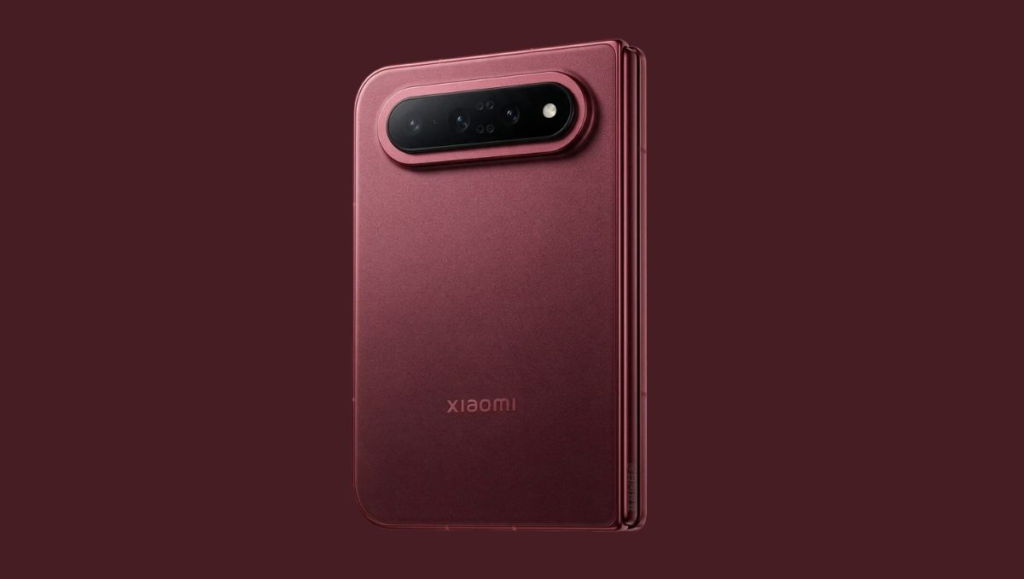
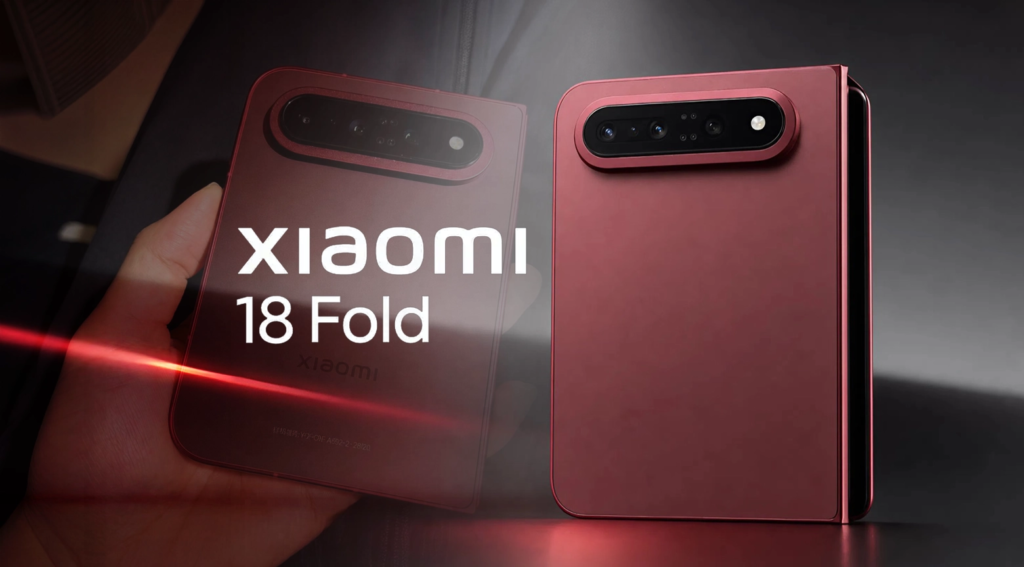
The Xiaomi 18 Fold changes the math by going for a wider, book-style shape.
Reports point to a 6.56-inch outer cover screen and a spacious 7.76-inch inner main display. Both panels feature 120Hz LTPO technology for adaptive refresh rates. When closed, it feels like a normal, comfortable smartphone you can comfortably text on with one hand. When opened, it doesn’t just stretch your phone screen—it turns into a mini tablet that fits right into your jacket pocket.
3. Display Tuning: Where Specs Meet Reality
A massive 7.76-inch inner display sounds incredible on paper, but foldables live or die by display optimization.
Driving a display that size at a silky 120Hz eats battery life for breakfast. That’s where LTPO tech steps in—dynamically dropping the refresh rate down to as low as 1Hz when you’re looking at a static photo or reading an article, then ramping back up to 120Hz the millisecond your finger touches the glass.
The ultimate test won’t be the numbers Xiaomi puts on a PowerPoint slide during the event. It’s whether the software stays smooth when you split the screen across three different apps while streaming a video. If it stutters or drains 25% battery in an hour, high refresh rates won’t mean a thing.
4. A 200MP Camera on a Foldable? (Hold the Hype)
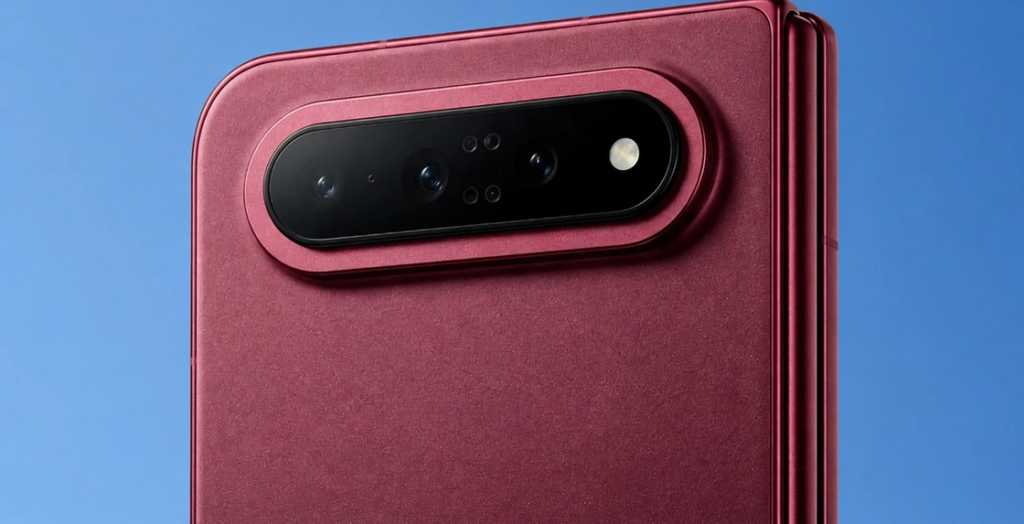
Buying a foldable has historically meant accepting an annoying trade-off: you paid double the price for worse cameras than a standard flagship phone.
Xiaomi is attempting to erase that compromise. Leaks suggest the 18 Fold features a massive 200-megapixel primary sensor, flanked by a 50MP ultra-wide and potentially a secondary 200MP telephoto module.
The Camera Reality Check
200MP Sensor Hardware
➤ Offers high-resolution image capture potential
Ultra-Thin Foldable Body
➤ The slim form factor can limit the physical space available for camera optics.
Compromised Lens Physics?
➤ A high-megapixel sensor does not automatically guarantee superior image quality.
➤ The final results depend heavily on how well the optics and sensor work within the thin foldable design.
Success Depends on Computational Photography
➤ AI Processing: Helps optimize details, exposure, colors, and low-light performance.
➤ ISP Processing: Plays a major role in converting raw sensor data into the final image.
Let’s keep expectations grounded: high megapixels don’t automatically mean breathtaking photos.
Fitting big camera sensors and multi-element glass lenses into a thin foldable body is a direct fight against physics. The actual photo quality won’t depend on raw numbers—it will depend entirely on Xiaomi’s image processing algorithms, optical stabilization, and the ISP tucked inside the Xring O3. If they pull it off, it could finally be the first foldable that mobile photographers don’t have to make excuses for.
5. Tackling the Foldable Battery Anxiety
Battery life is the number one reason people return folding phones. You’re powering two separate screens, high-refresh-rate displays, and a 10-core flagship chip out of a split battery setup.
That’s why the leaked 6,000mAh dual-cell battery inside the 18 Fold is turning heads.
Most foldables on the market currently cap out around 4,400mAh to 5,000mAh. Paired with reported 67W wired fast charging and 50W wireless charging, Xiaomi isn’t just trying to make battery life “acceptable”—they’re aiming to outlast standard glass slab phones.
6. Underground Tech: The Jump to LPDDR6 RAM
This detail sounds like hyper-technical jargon, but it’s going to dictate how snappy the device feels in your hand two years from now.
Reports indicate the Xiaomi 18 Fold will be among the very first devices to use next-generation LPDDR6 RAM, built in partnership with ChangXin Memory Technologies (CXMT).
Why should you care about your phone’s RAM standard?
- Raw Memory Bandwidth: Data moves through the device significantly faster, eliminating tiny stutters when jumping between heavy apps.
- On-Device AI: High-speed RAM is the main bottleneck for running local AI features instantly without sending your data to a cloud server.
- True Multitasking: You can keep intensive apps, games, and floating windows suspended in memory without the system forcibly closing them in the background.
7. Pad 9 Pro Max: Designed to Replace Your Laptop
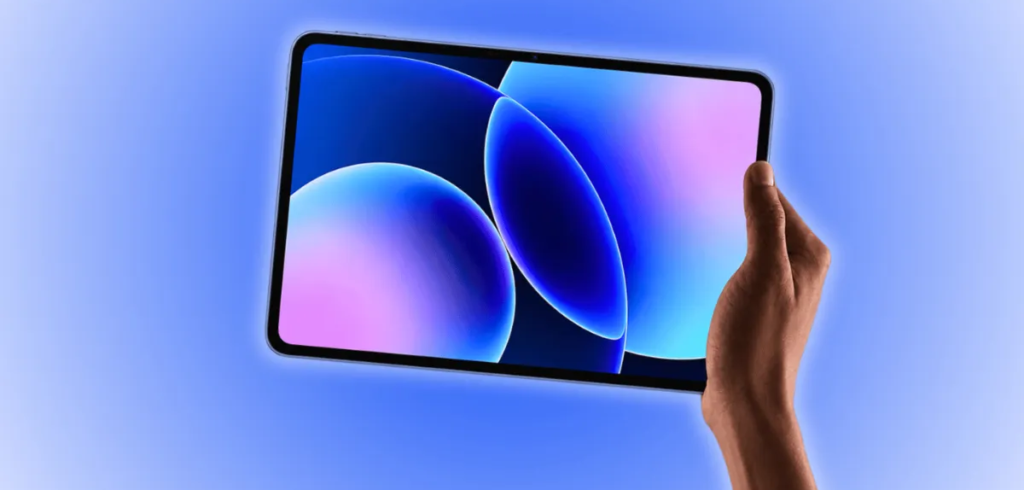
Now let’s talk about the second star of the September 7 event. The Xiaomi Pad 9 Pro Max isn’t a casual tablet you keep on the coffee table just to watch YouTube.
Casual Consumption Tablet vs. Pad 9 Pro Max
Casual Consumption Tablet
- Compact and basic design
- Typically features a 10–11-inch display
- Mainly designed for web browsing and casual video watching
Xiaomi Pad 9 Pro Max — Productivity
- Built more like a laptop-style canvas
- Features a massive 13.3-inch display
- Powered by desktop-class Xring O3 silicon
- Better suited for productivity, multitasking, and demanding workflows
Leaks point to a massive 13.3-inch panel. That gives you a digital workspace roughly the same size as a 13-inch MacBook Air. Paired with the custom Xring O3 chip, Xiaomi is aiming straight at students, artists, freelancers, and remote workers who want a high-performance digital setup without lugging around a heavy laptop.
8. Benchmark Numbers: Exciting, But Don’t Get Distracted
Early benchmark listings for both devices have already surfaced on Geekbench, giving us our first look at performance metrics:
| Device / Benchmark | Single-Core Score | Multi-Core Score | Real-World Context |
| Pad 9 Pro Max (Early Build) | 3,474 | 13,229 | Unoptimized pre-launch software |
| Pad 9 Pro Max (Late Build) | 3,710 | 14,319 | Refined firmware run |
| Xiaomi 18 Fold (Geekbench AI) | 629 (Single Precision) | 799 (Half Precision) | 10-Core Xring O3 with 16GB RAM |
A Quick Reality Check: Synthetic benchmarks are fun to discuss online, but they don’t reflect daily usage. A phone can post a record-breaking score for three minutes in an air-conditioned test environment, but if it gets hot and throttles performance during an actual 30-minute gaming session or video export, those numbers are meaningless. Treat these leaks as an intriguing preview, not a final verdict.
9. A 10,000+ mAh Battery with 120W Charging
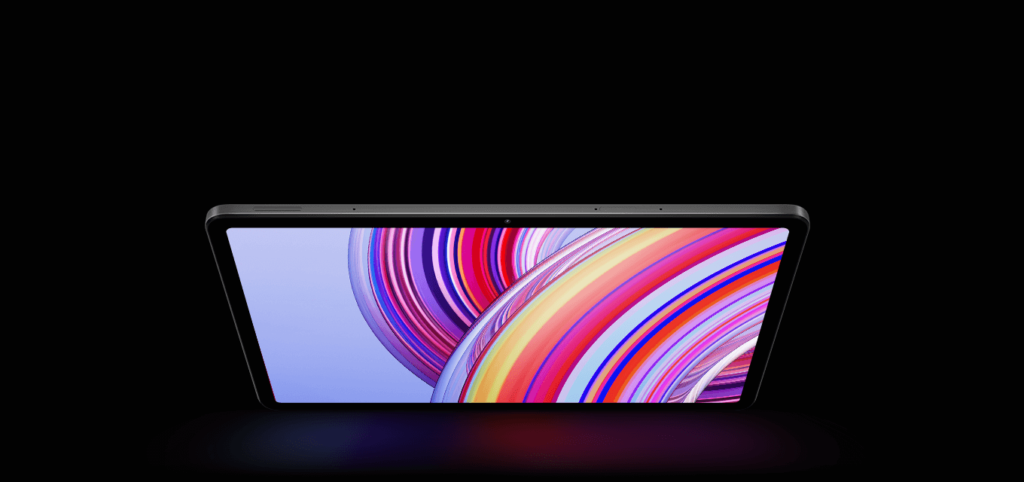
If you’re using a massive 13.3-inch workstation tablet, the last thing you want is to be tethered to a wall outlet every four hours.
Reports suggest the Pad 9 Pro Max packs a monster 10,000+ mAh battery paired with Xiaomi’s signature 120W HyperCharge technology.
The Ultimate Workstation Power Pair
10,000+ mAh Battery
→ Easily powers the massive 13.3-inch screen.
→ Designed to support a full day of work and productivity.
120W HyperCharge
→ Quickly recharges the large-capacity battery.
→ Can get the massive battery back up and running in under an hour.
A battery that large usually takes hours to charge on standard plugs. With 120W fast charging, you can plug the tablet in while grabbing a quick lunch and come back to a device loaded with enough power to comfortably handle the rest of your workday.
10. The Elephant in the Room: Price & Global Rollout
Here is the honest truth that determines whether any of this actually matters to you: Will you actually be able to buy one?
Xiaomi has confirmed the September 7 launch event in China. However, history tells us to stay realistic. Xiaomi frequently launches its flagship foldables and high-end tablets in China first, with global rollouts taking months—or sometimes remaining regional exclusives.
Pricing, global availability dates, and regional variations are still locked under strict secrecy. If you live outside China, the key thing to watch during the September 7 broadcast is whether Xiaomi drops a global release roadmap.
Head-to-Head: Which One Fits Your Flow?
Choosing the Right Tool
Xiaomi 18 Fold
- Core Identity: Pocket workhorse
- Display Setup: 6.56-inch cover display / 7.76-inch unfolded display
- Ideal User: On-the-go professionals and power users
- Standout Feature: Pocketable 2-in-1 versatility
Xiaomi Pad 9 Pro Max
- Core Identity: Desk-bound workstation
- Display Setup: Massive 13.3-inch single-canvas display
- Ideal User: Artists, students, and mobile creators
- Standout Feature: Huge canvas with 120W fast charging
- Go for the Xiaomi 18 Fold if you want one ultimate pocket device that transitions effortlessly from a normal smartphone into an expansive tablet whenever you need to get work done on the move.
- Go for the Xiaomi Pad 9 Pro Max if you want a dedicated, large-screen productivity canvas for heavy typing, sketching, video editing, and complex multi-window workflows.
The Big Picture: Why September 7 Matters
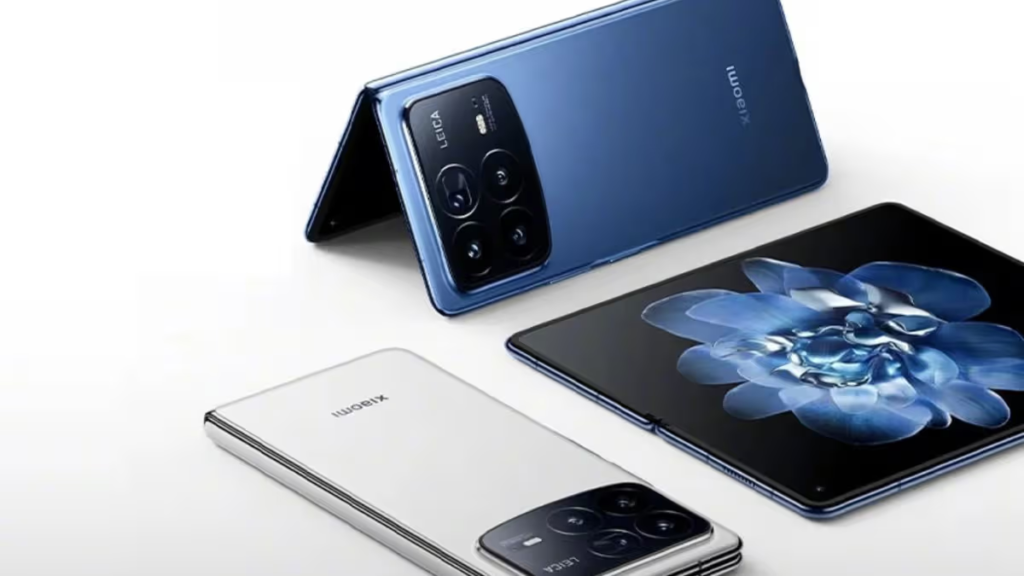
What makes this launch compelling isn’t just another shiny foldable or a giant tablet. It’s watching a major tech brand attempt to break free from third-party silicon and take full ownership of its hardware ecosystem.
By combining the Xring O3 chip, LPDDR6 memory, 200MP camera systems, and massive batteries, Xiaomi is sending a clear message: they’re coming directly for the high-end premium market.
Keep your expectations grounded until full hardware reviews drop, but mark your calendar—September 7 is shaping up to be one of the most interesting days in mobile tech this year.
Frequently Asked Questions
Q: Why is Xiaomi building its own Xring O3 chip instead of using Snapdragon?
Making custom silicon lets Xiaomi optimize software directly for the hardware, cutting out third-party limits and boosting efficiency.
Q: Will the Xiaomi 18 Fold feel as cramped to type on as older foldables?
No, leaks show a much wider, book-style cover screen so texting feels like using a normal smartphone.
Q: Can a 13.3-inch tablet like the Pad 9 Pro Max actually replace a laptop?
With a desktop-sized display and high-speed LPDDR6 memory, it’s built to handle heavy multitasking and creative workflows effortlessly.
Q: Won’t driving a huge 120Hz foldable screen destroy the phone’s battery?
The adaptive LTPO display automatically drops to 1Hz on static screens to save power, backed by a leaked 6,000mAh battery.
Q: Are the Xiaomi 18 Fold and Pad 9 Pro Max launching worldwide on September 7?
The event officially locks in the China release, but international dates and pricing usually roll out a bit later.