A good life does not always come from big achievements or expensive things. Daily Life and Well-Being Sometimes, small changes in our daily routine can make us feel happier, more organised, and more comfortable. The way we start our morning, spend our time, eat our meals, use technology, and take care of ourselves can have a real impact on everyday life.
Many people want to improve their lifestyle but feel that making changes will be difficult. In reality, you do not need to change everything at once. Simple habits such as drinking enough water, getting proper rest, staying active, keeping your surroundings organised, and spending quality time with loved ones can make everyday life better.
The key is consistency. A small habit repeated regularly can become a natural part of your lifestyle.
Start Your Day With a Simple Routine

The way you begin your morning can influence the rest of your day. A rushed morning can leave you feeling stressed, while a simple and organised routine can help you feel more prepared.
Try waking up with enough time to get ready without rushing. Drink some water, freshen up, have breakfast, and think about the important things you want to complete during the day.
You do not need a perfect morning routine. Even a few peaceful minutes before starting your daily responsibilities can make your morning feel better.
Plan Your Day
Planning your day is one of the easiest ways to stay organised. You do not need a complicated planner. A simple list of important tasks is enough.
For example, you might have work, household responsibilities, shopping, or study to complete. Write down the most important tasks and focus on them first.
Planning can also help prevent the feeling that you have too many things to do at the same time.
Get Enough Sleep

Sleep is an important part of everyday well-being. When you do not get enough rest, you may feel tired and find it harder to concentrate.
Try to maintain a regular sleeping routine. Going to bed and waking up at similar times can make your schedule more organised.
It can also help to reduce unnecessary phone use before bedtime. Instead of scrolling through social media late at night, try reading, listening to calm music, or simply relaxing before sleep.
Stay Physically Active
Being active does not always mean going to the gym. You can include simple movement in your daily routine.
Walking, stretching, cycling, dancing, yoga, or other activities you enjoy can help you stay active.
For example, if you spend most of your day sitting, taking short walking breaks can be a simple way to add more movement.
Choose an activity that you enjoy because it is easier to continue a habit when it does not feel like a burden.
Eat Mindfully

Food plays an important role in everyday well-being. You do not need a complicated diet to make better choices.
Try to include a variety of nutritious foods in your meals and pay attention to what your body needs. Eating slowly and avoiding unnecessary distractions during meals can also help you become more aware of your eating habits.
You can still enjoy your favourite foods. A balanced lifestyle is about making sensible choices most of the time rather than trying to be perfect.
Drink Enough Water
Drinking water is a simple habit that is easy to overlook during a busy day.
Keep a water bottle nearby so you remember to drink regularly. Your individual needs can vary depending on factors such as activity level, weather, and other personal circumstances.
Making water a regular part of your daily routine is a simple way to support healthy habits.
Take Breaks From Screens

Phones, computers, and other digital devices are useful, but spending too much time on screens can take up a large part of your day.
Try creating small periods when you stay away from your phone. You could keep your phone aside while eating, talking with family, or relaxing.
For example, instead of checking social media every few minutes, choose specific times to check your notifications.
Using technology with more intention can help you make better use of your time.
Keep Your Surroundings Organised
Your environment can affect how you feel. A messy room or crowded workspace can sometimes make daily tasks feel more difficult.
You do not have to clean everything at once. Start with one small area.
Put things back where they belong, organise your desk, fold your clothes, and remove items you no longer need.
Even spending a few minutes organising your surroundings each day can make your space feel more comfortable.
Make Time for Yourself

Daily responsibilities can become overwhelming when you never make time for yourself.
Self-care does not have to mean spending lots of money. It can be something as simple as drinking tea quietly, listening to music, reading a book, taking a walk, or enjoying a hobby.
For example, spending 15 minutes doing something you genuinely enjoy can give you a small break from your usual routine.
Taking care of yourself is not selfish. It is a useful part of maintaining a balanced lifestyle.
Spend Quality Time With Loved Ones
Good relationships can bring happiness and emotional support into our lives.
Try to spend meaningful time with family and friends instead of only communicating through messages or social media.
A simple conversation over dinner, a short walk together, or sharing a cup of tea can create valuable moments.
You do not always need a special occasion to connect with people you care about.
Learn to Manage Stress
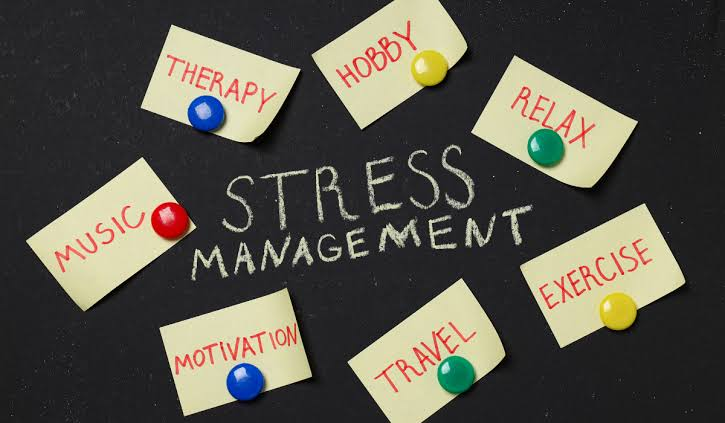
Stress is a normal part of life, but learning how to manage everyday pressure can make a difference.
When you feel overwhelmed, take a short break and give yourself some time to slow down. Deep breathing, walking, listening to music, writing down your thoughts, or talking to someone you trust may help you feel more settled.
It is also important to recognise when stress is becoming difficult to manage and seek appropriate professional support when needed.
Stop Comparing Yourself With Others
Social media can make comparison very easy. You may see someone else’s achievements, lifestyle, appearance, or travels and feel that your own life is not good enough.
Remember that people usually share selected parts of their lives online. You cannot see everything happening behind those pictures.
Instead of comparing yourself with others, focus on your own progress.
Ask yourself, “What have I improved compared with last year?”
Your journey does not have to look like someone else’s.
Spend Money Wisely

Financial habits can also affect your daily well-being.
Before buying something, ask yourself whether you really need it. Creating a simple budget can help you understand where your money is going.
For example, if you notice that small online purchases are taking up a large part of your monthly budget, you can set a spending limit.
Saving even small amounts regularly can also help you feel more prepared for future needs.
Make Your Home More Comfortable
Your home should be a place where you can relax.
You can make it more comfortable without spending a lot of money. Keep frequently used items within easy reach, maintain cleanliness, and create a space where you can relax.
Even small changes, such as arranging your desk or keeping your bedroom organised, can make your daily routine easier.
Learn Something New
Learning does not have to stop after school or college. Learning something new can keep your mind engaged and help you develop useful skills.
You could learn cooking, photography, a new language, computer skills, writing, or another hobby.
For example, spending a small amount of time each day learning a skill can gradually improve your knowledge.
The goal is not to become an expert immediately. Enjoy the process of learning.
Spend Some Time Outdoors
Spending time outside can be a refreshing change from staying indoors all day.
A short walk, sitting in a park, gardening, or simply getting some fresh air can give you a break from screens and daily responsibilities.
You do not need a long trip. Sometimes, a short outdoor break is enough to make your routine feel different.
Practice Gratitude

It is easy to focus on things that are going wrong. Practising gratitude can help you notice the good things that are already part of your life.
At the end of the day, think about a few things you appreciated. It could be a good conversation, a tasty meal, completing an important task, or spending time with someone you love.
These small moments may seem ordinary, but they can become meaningful when we pay attention to them.
Do Not Try to Change Everything at Once
One of the biggest mistakes people make when improving their lifestyle is trying to change everything overnight.
They may decide to exercise every day, completely change their diet, wake up early, stop using social media, save money, and become highly productive all at once.
This can quickly become overwhelming.
Instead, start with one simple habit. Once you become comfortable with it, add another.
For example, start by taking a short daily walk. After that becomes part of your routine, you can focus on another habit.
Small steps are easier to maintain.
Focus on Progress, Not Perfection
Nobody has a perfect day every day.
There will be days when you sleep late, eat unhealthy food, skip exercise, spend too much time on your phone, or fail to complete your plans.
That does not mean you have failed.
The important thing is to start again instead of giving up.
Improving your daily life is a journey, not a one-day challenge.
Create a Balanced Lifestyle

A better lifestyle is about balance. Work and responsibilities are important, but so are rest, relationships, hobbies, and personal time.
If you spend all your time working, you may miss opportunities to relax. If you avoid responsibilities completely, you may create more stress later.
Try to create a routine that gives space to different parts of your life.
A balanced lifestyle does not look the same for everyone. Find a routine that works for your needs and responsibilities.
FAQs
1. How can I improve my daily life?
Start with simple habits such as planning your day, getting enough sleep, staying active, eating balanced meals, and making time for yourself.
2. What is the easiest habit to start with?
Choose one habit that feels realistic, such as making a short daily to-do list, drinking more water, or taking a short walk.
3. How can I improve my well-being naturally?
Getting enough rest, staying active, eating nutritious foods, spending time with loved ones, enjoying hobbies, and taking breaks can support overall well-being.
4. How long does it take to build a good habit?
It varies from person to person. The most important thing is regular practice rather than focusing on a specific number of days.
5. Do I need to make big changes to live better?
No. Small, consistent changes can make a meaningful difference. Start slowly and build your routine over time.
Smart Shopping Ideas for Better Deals and Everyday Savings
Look, let’s stop playing around with fancy headers, corporate blog structures, and robot transitions. Smart…
Useful Tech & Gadgets You’ll Want to Try in 2026
Let’s be completely real for a second. If you look at tech magazines, gadget review…

Simple Smart Living Ideas to Make Everyday Life Easier
Life does not always have to be complicated. Sometimes, a few small changes in the…
Helpful Digital Life Tips for Modern Everyday Living
Technology has quietly become part of our everyday routine. Digital Life We use our phones…

Fun Experiences and New Adventures Worth Trying in 2026
Sometimes, life starts feeling a little too predictable. We wake up, Experiences go to work…

Simple Style & Wellness Tips to Upgrade Your Everyday Lifestyle
Let’s stop rushing for just a single second. Seriously. Style & Wellness Put your phone…