Technology has become an important part of our everyday lives. Tech & Gadgets From smartphones and wireless earbuds to smartwatches and smart home devices, technology is helping people work, communicate, learn, and relax more easily.
The world of tech and gadgets is changing quickly. In 2026, artificial intelligence is becoming a bigger part of everyday devices, while wearables, smart glasses, connected home products, and AI-powered gadgets are getting more attention.
But the latest gadget is not always the best gadget. A useful device should solve a real problem, be easy to use, and offer features that actually fit your lifestyle.
Let’s look at some of the biggest technology trends and smart devices worth knowing about.
1. AI Is Becoming Part of Everyday Gadgets

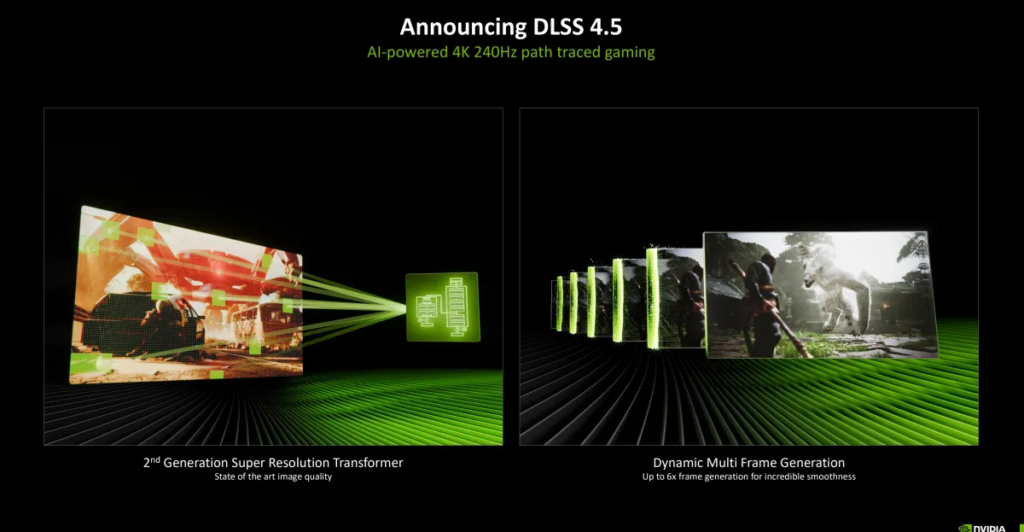
Artificial intelligence is one of the biggest trends in technology right now. AI is moving beyond chatbots and becoming part of phones, computers, wearables, cameras, and smart home devices.
For everyday users, this can mean smarter search, better photo editing, voice assistance, translation, recommendations, and automation.
For example, an AI-powered smartphone may help organise photos or provide useful suggestions without requiring you to do everything manually.
The important thing is to look at how useful the AI feature actually is instead of buying a device simply because it has an “AI” label.
2. Smartphones Are Getting Smarter
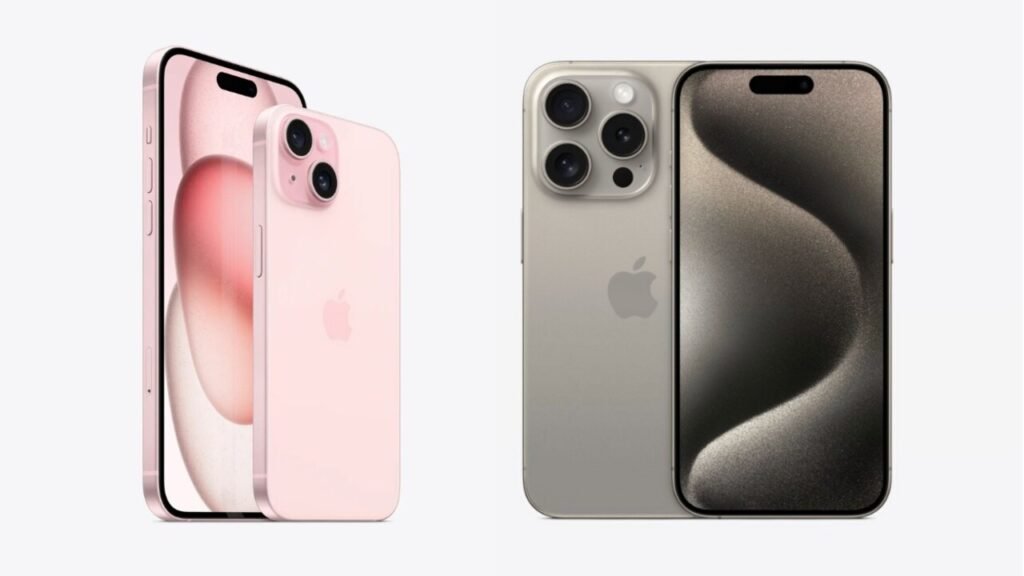
Smartphones remain one of the most important gadgets for everyday life. People use them for communication, photography, entertainment, online payments, work, education, and much more.
Newer phones are focusing on better cameras, longer battery life, faster performance, improved displays, and more built-in AI features.
When buying a smartphone, think about your own needs. If you take lots of photos, camera quality may matter most. If you mainly use your phone for calls, social media, and videos, you may not need the most expensive model.
A good smartphone is one that gives you the features you actually use.
3. Smartwatches Are Moving Beyond Notifications
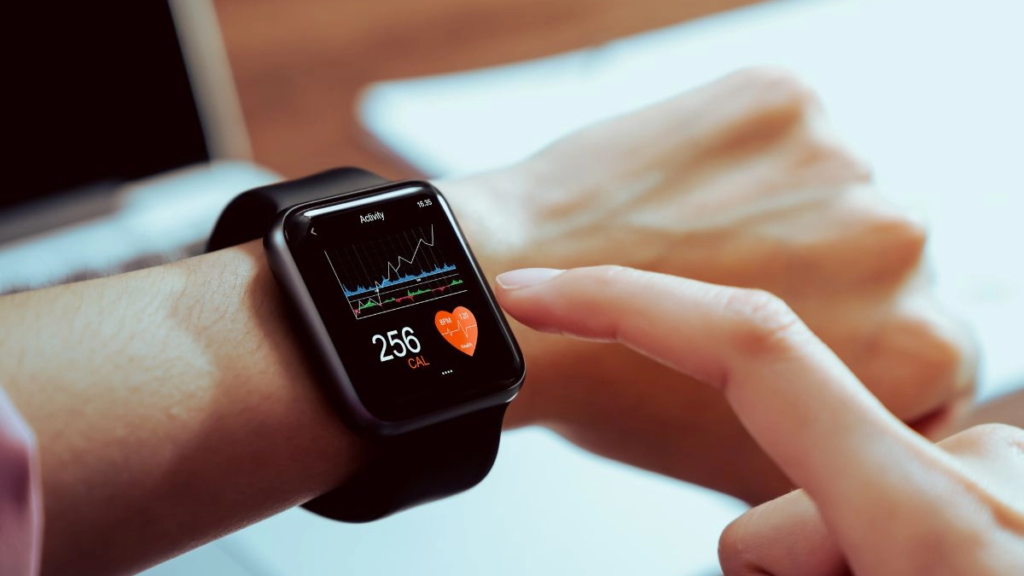
Smartwatches are no longer only about checking messages or counting steps. Wearable technology is becoming more focused on fitness, wellness, and personalised information.
Some newer wearables are also moving toward simpler, screen-free designs that focus on collecting information without constantly demanding attention. This reflects a growing interest in technology that supports everyday well-being while reducing digital distractions.
For example, someone who enjoys walking or exercising may find a wearable useful for tracking activity and monitoring everyday fitness information.
4. Smart Glasses Are Getting More Attention
Smart glasses are another interesting area of consumer technology.
Instead of using a traditional screen, some new smart glasses are designed to provide hands-free access to information through features such as voice interaction, cameras, audio, and AI assistance.
Industry researchers are watching smart glasses closely in 2026, particularly as companies focus more on practical everyday uses rather than purely immersive experiences.
Imagine being able to ask for directions or access information without constantly taking your phone out of your pocket. That is the kind of experience companies are trying to create.
5. Smart Home Devices Are Becoming More Useful
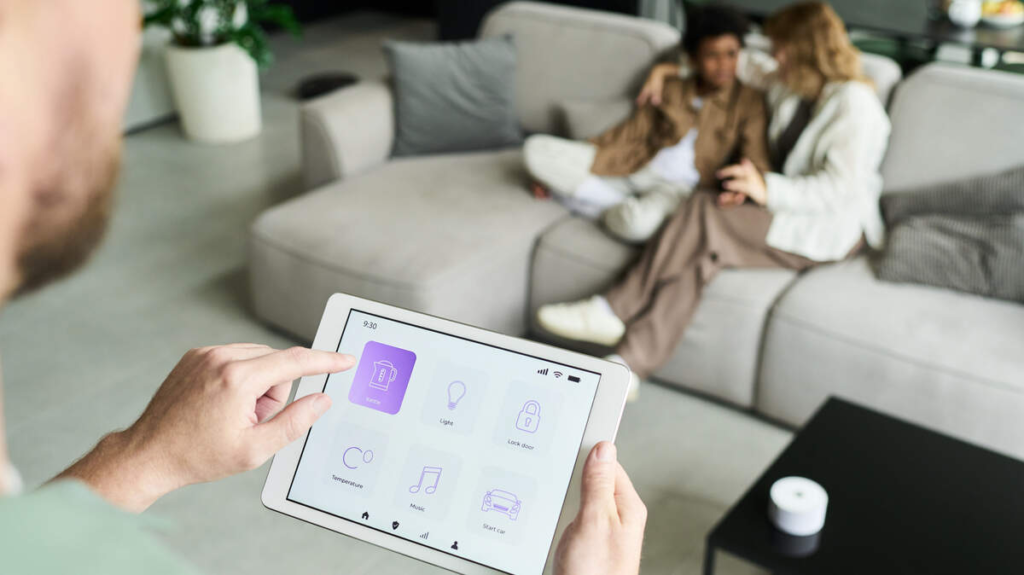
Smart home technology is making everyday household tasks easier.
Smart speakers, smart lights, security cameras, smart doorbells, robot vacuums, and connected appliances are examples of devices that can be controlled through apps or voice commands.
AI is also becoming part of smart home products. For example, some smart devices can automate household tasks or provide information based on what is happening around the home.
However, ease of setup and compatibility are still important. In India, research suggests that consumers are interested in smart-home technology, but complicated setup and lack of trust can slow adoption.
6. Smart Rings Are Becoming More Popular
Smart rings are small, lightweight wearable devices that can provide information related to activity, sleep, and other wellness features.
They can be appealing to people who do not want to wear a smartwatch all day.
Smart rings are part of the wider move toward smaller and less distracting wearable technology. Industry research in 2026 identifies smart rings as one of the consumer technology categories moving further into the mainstream.
Their small size makes them interesting, especially for people who prefer simple technology.
7. Wireless Earbuds Continue to Evolve
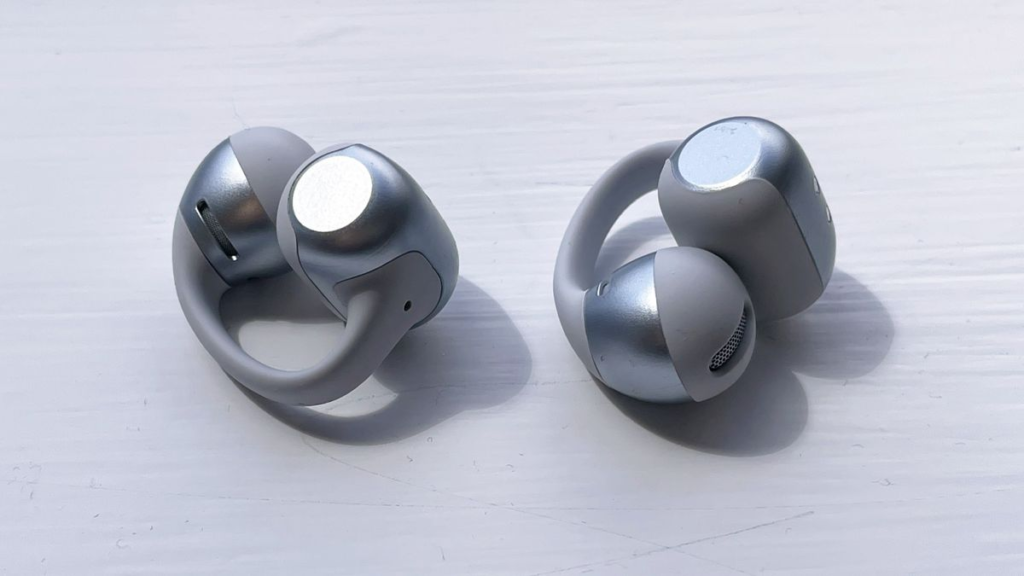
Wireless earbuds have become common for music, calls, podcasts, and online meetings.
Newer models continue to focus on better sound, improved microphones, noise cancellation, longer battery life, and easier device connectivity.
For someone who travels frequently or works in a busy environment, noise cancellation can be a useful feature.
However, it is not necessary to buy the most expensive earbuds. Choose a model based on your actual needs, comfort, battery life, and compatibility with your devices.
8. Smart Home Connectivity Is Improving
One of the challenges with smart homes is getting different devices to work smoothly together.
The Matter smart-home standard continues to develop, with more compatible devices entering the market. The goal is to make connected home products easier to use across different ecosystems.
For consumers, better compatibility can mean less confusion when adding new smart lights, sensors, appliances, or other devices.
Before buying a smart-home product, it is still worth checking whether it works with the devices and platforms you already use.
9. AI-Powered Computers Are Growing
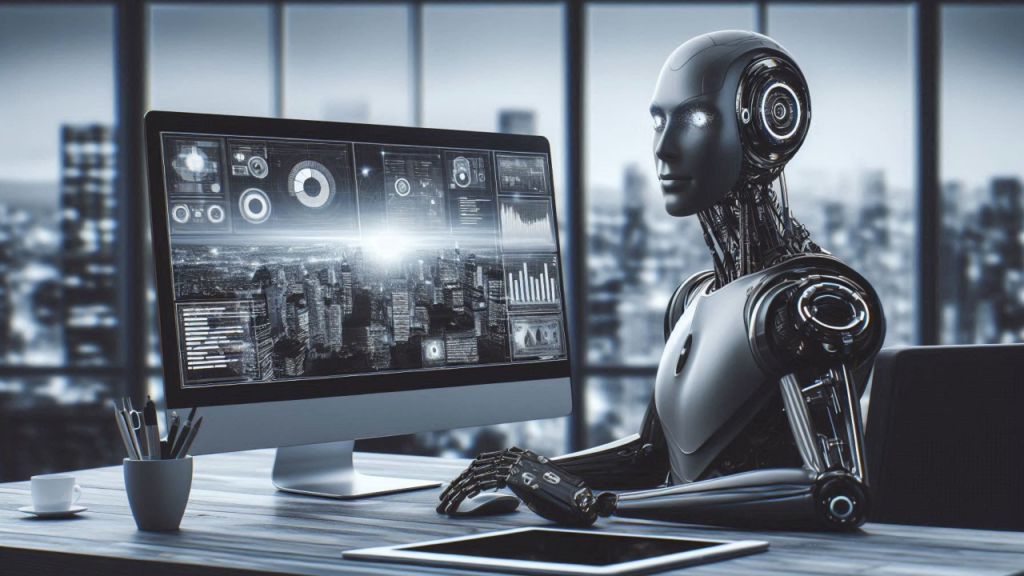
Computers and laptops are also becoming more AI-focused.
Modern devices can include hardware designed to handle certain AI tasks directly on the device. This can support features such as image processing, productivity tools, and other intelligent functions.
The move toward local or on-device AI is also connected to privacy and performance because some tasks can be handled without always sending information to the cloud.
For students and professionals, these features may become more useful as AI tools become a normal part of work and study.
10. Home Robots Are Becoming Smarter
Robotics is another area worth watching.
Robot vacuums are already familiar to many households, but newer home robots are becoming more intelligent and capable of handling tasks with greater automation. Consumer technology forecasts for 2026 point to continued development in home robotics.
For busy people, a robot that can handle a simple household task may save time.
Still, it is important to consider whether the device genuinely solves a problem before spending money on it.
11. Technology Is Becoming More Focused on Wellness

Technology is increasingly being designed around fitness and everyday wellness.
Wearables can help people understand their activity, sleep, and other personal metrics. At the same time, some new devices are deliberately reducing screens and notifications to make technology less distracting.
This suggests an interesting change in the gadget market: technology is not only becoming smarter but also trying to become less intrusive.
12. Privacy Should Be Part of Your Buying Decision
Smart devices can make life easier, but they can also collect personal information.
Cameras, microphones, location data, health information, and usage patterns can all raise privacy questions. Research has found that many people remain concerned about AI-enabled devices and how their personal information is used.
Before buying a smart gadget, check its privacy settings and understand what information it collects.
A useful gadget should make your life easier without making you uncomfortable about your personal data.
How to Choose the Right Gadget
With so many new devices available, choosing the right one can be confusing.
Start by asking yourself a simple question: What problem do I want this gadget to solve?
If you need better communication and photography, a smartphone may be useful. If you want activity tracking, a smartwatch or smart ring could be worth considering. If you want more convenience at home, smart lights or a robot vacuum may be more practical.
Also consider the price, battery life, durability, warranty, compatibility, privacy, and customer support before making a purchase.
Do not buy a gadget only because it is trending. Buy it because it fits your needs.
FAQs
1. What are the latest tech trends in 2026?
AI-powered devices, smart wearables, smart glasses, connected homes, home robotics, and smarter personal devices are some of the major consumer technology trends in 2026.
2. Are AI gadgets worth buying?
They can be useful when their AI features solve a real problem. It is better to choose a device based on practical features rather than buying it only because it uses AI.
3. What are smart wearables?
Smart wearables are devices such as smartwatches, smart rings, and fitness trackers that can provide useful information about activity and other personal metrics.
4. What should I check before buying a gadget?
Check its features, price, battery life, compatibility, durability, warranty, privacy settings, and whether it actually meets your needs.
5. Are smart home devices useful?
Yes, they can make tasks such as lighting, security, cleaning, and home automation more convenient. However, ease of setup and compatibility should be considered before buying.