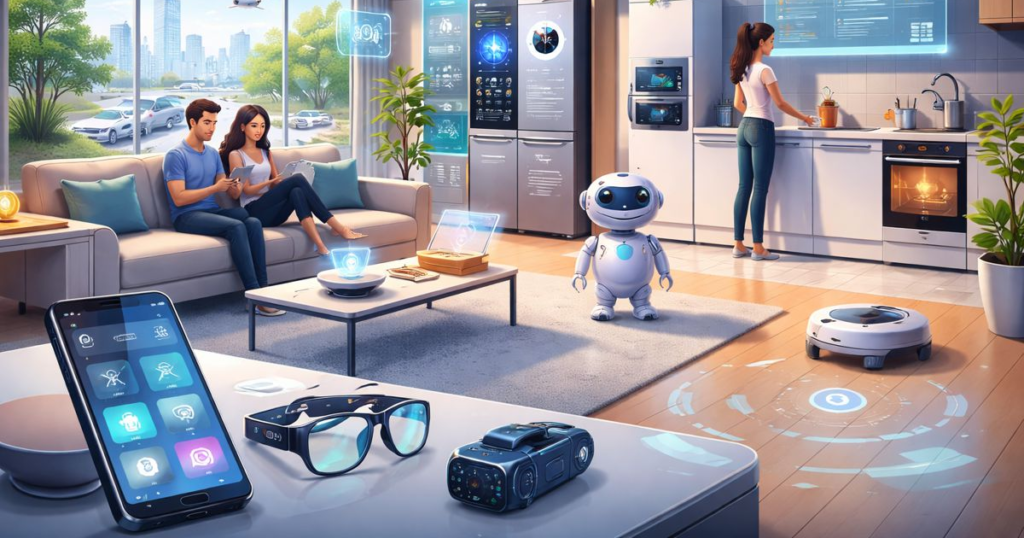
The best smart home ideas are therefore simple, useful, and easy to manage .Smart Technology The smart home is no longer something that exists only in futuristic movies or luxury houses. In 2026, smart home technology has become a practical part of everyday living. From smart lights and security cameras to automated cleaning devices and energy-saving systems, technology is helping people make their homes more comfortable, convenient, secure, and efficient.
What makes a smart home truly useful is not the number of gadgets inside it. It is how well those devices solve everyday problems. A smart light that turns off automatically can save you from walking around the house checking switches. A robot vacuum can handle routine cleaning while you focus on work or family. A smart security camera can give you peace of mind when you are away from home. You do not need to completely redesign your home or spend a huge amount of money. You can start with one useful device and gradually build a connected lifestyle that matches your
Smart technology has quietly become part of everyday life. A few years ago, features such as voice-controlled appliances, smart watches, connected cars, AI assistants, and automated homes seemed like something from the future. In 2026, many of these technologies are becoming normal parts of how people live, work, communicate, shop, travel, and relax.
1.Upgrade Your Home with Smart Lighting
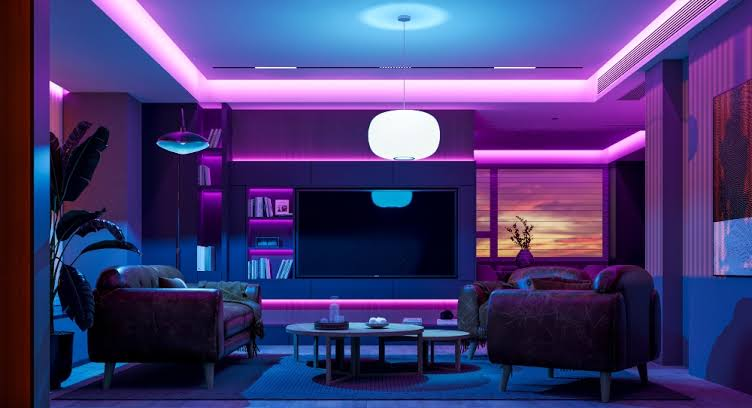
Smart lighting is one of the easiest ways to begin creating a smart home. Smart bulbs and switches allow you to control lights using a smartphone, voice command, motion sensor, or automatic schedule.
Imagine coming home in the evening and having the entrance light switch on automatically. You can also schedule bedroom lights to become softer at night or have hallway lights turn on when movement is detected.
Smart lighting can also make your home feel more personal. Different lighting settings can create a bright environment for working, a softer atmosphere for relaxing, or a comfortable setting for watching movies.
Instead of replacing every bulb at once, start with the rooms you use most. This makes the transition affordable and gives you time to understand which smart features are actually useful.
2. Make Temperature Control Smarter
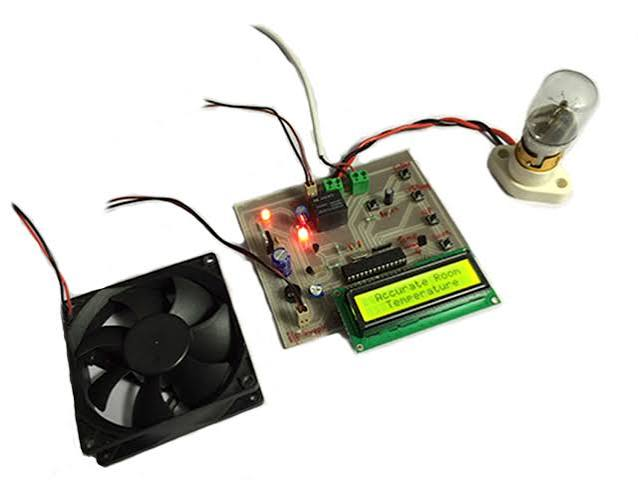
Maintaining a comfortable indoor temperature can become much easier with smart thermostats and temperature controllers. These devices can help automate heating, cooling, or compatible air-conditioning systems according to your schedule.
For example, you can set your preferred temperature for the morning, working hours, evening, and sleeping time. Some systems can also be controlled remotely, allowing you to adjust settings before arriving home.
In warmer regions, smart AC controls can be particularly useful because they can help prevent unnecessary operation when nobody is home.
The real advantage is convenience. Instead of constantly adjusting the temperature throughout the day, you can create a routine that works in the background.
3.Install Smart Security Cameras
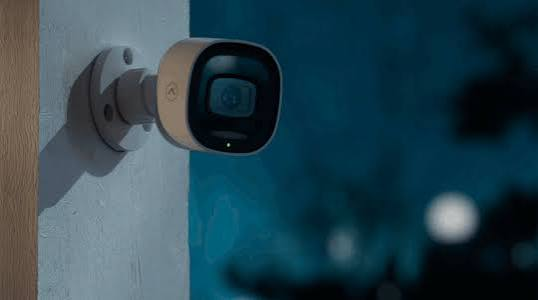
Home security is one of the strongest reasons to consider smart technology. Smart security cameras allow homeowners to monitor selected areas of their property using connected devices.
Depending on the model, cameras can offer features such as motion alerts, night vision, two-way communication, and activity notifications. This can be helpful when you are at work, travelling, or simply in another part of the house
However, security technology should always be installed thoughtfully. Choose trusted products, use strong passwords, activate available security protections, and keep device software updated.
A smart security camera should provide peace of mind without creating unnecessary privacy concerns.
4. Add a Smart Video Doorbell
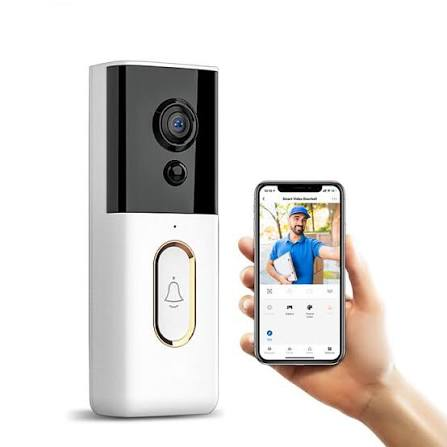
A smart video doorbell can make your front door more convenient and secure. Instead of simply hearing a traditional doorbell, you may be able to see who is outside and communicate with visitors through your phone or another connected device.
This is especially useful when you are busy, working from home, or unable to reach the door immediately.
Smart doorbells can also help you keep track of deliveries. However, because they involve cameras and potentially record activity around an entrance, homeowners should consider privacy and local regulations before installation.
5. Let a Robot Vacuum Handle Routine Cleaning
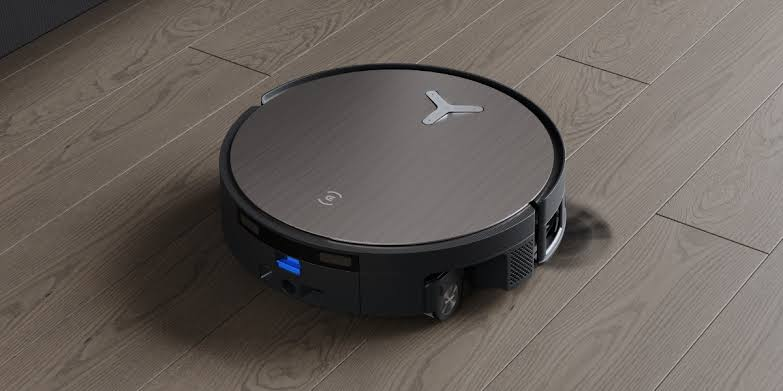
Cleaning the floor is one of those household tasks that never seems to disappear. Robot vacuum cleaners can help reduce the time spent on routine cleaning by automatically moving around the home and collecting dust and debris.
Many modern models can create maps, follow schedules, return to charging stations, and, in some cases, mop floors as well.
A robot vacuum will not completely replace traditional cleaning, but it can make everyday maintenance easier. This can be especially helpful for households with children, pets, or busy schedules.
Imagine starting your day while your robot vacuum quietly handles the living room. That small convenience can make the home feel easier to manage.
6. Turn Regular Appliances into Smart Devices
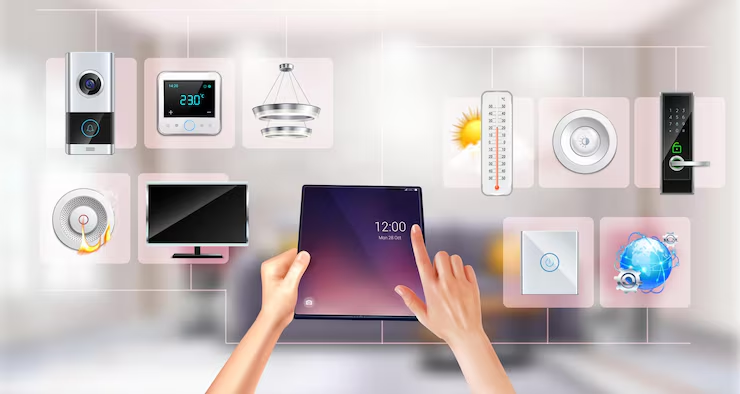
You do not have to replace all your existing appliances with expensive smart versions. Smart plugs can make many ordinary devices easier to control.
A compatible lamp, fan, charger, or other low-power appliance can potentially be scheduled or controlled through a smart plug.
For example, you could schedule a lamp to turn on in the evening or switch off a device automatically at a certain time.
Before using a smart plug, always check its electrical rating and compatibility with the appliance. High-power appliances may require specialized equipment rather than a basic smart plug.
7. Create a Smarter Kitchen
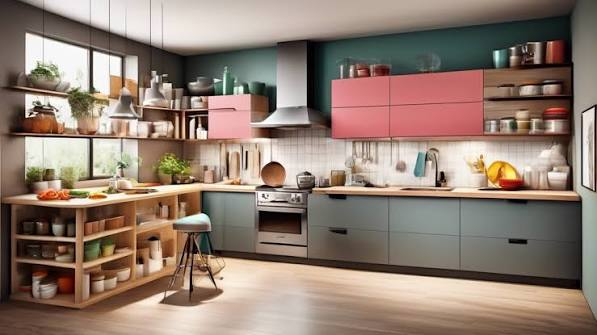
The kitchen is becoming an important part of connected living. Smart kitchen appliances can make cooking and food management more convenient.
Depending on your needs, you might consider connected ovens, smart coffee makers, intelligent refrigerators, or other appliances with useful automation features.
The key is to avoid buying technology simply because it is labeled “smart.” Ask yourself whether the device will actually save time or solve a problem.
For someone with a busy morning routine, an automated coffee maker might be genuinely useful. For another person, a traditional appliance may work perfectly well.
Smart living should be about usefulness, not collecting gadgets.
8. Monitor Your Home’s Energy Consumption
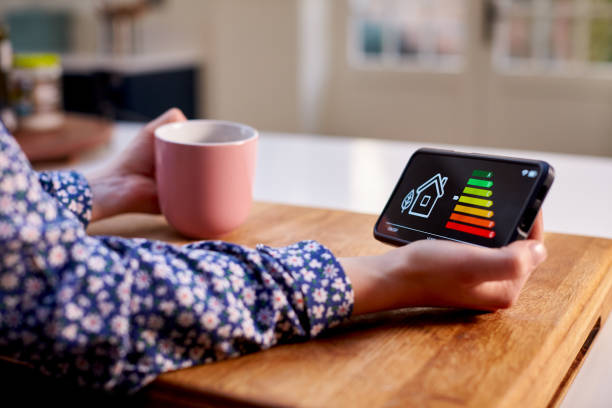
Energy monitoring is becoming increasingly valuable as households look for ways to control electricity use and reduce unnecessary consumption.
Smart energy-monitoring systems can provide information about how much electricity certain appliances or household systems are using. This information can reveal patterns that are difficult to notice from a traditional electricity bill.
For example, you may discover that certain appliances consume more energy than expected or that your household uses significantly more electricity during particular periods.
Once you understand your usage, you can make better decisions about when to run appliances and where efficiency improvements might be possible.
9.Build a Smart Bedroom for Better Rest
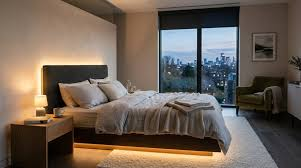
Your bedroom should be a place where you can relax and recharge. Smart technology can help create a more comfortable environment without making the room feel overly technical.
Smart lights can gradually become softer in the evening. Automated curtains can close at bedtime and open in the morning. Temperature controls can maintain a comfortable environment.
The important thing is to avoid adding technology that encourages more screen time. Your smart bedroom should support relaxation rather than become another place where you spend hours checking notifications.
A simple combination of comfortable bedding, suitable lighting, good ventilation, and a consistent nighttime routine can often make a bigger difference than expensive gadgets.
10. Automate Curtains and Blinds
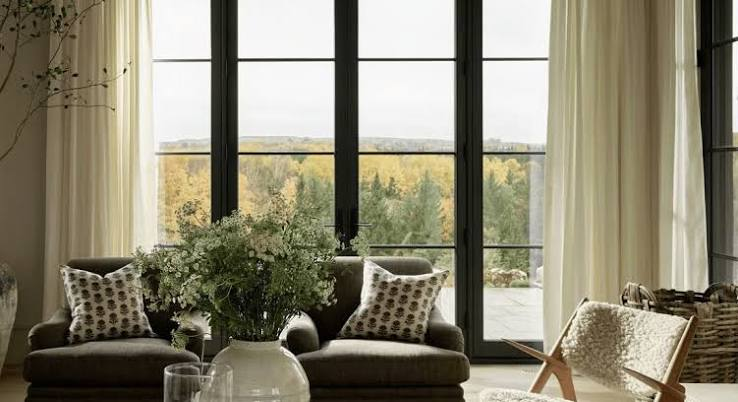
Smart curtains and blinds are a simple luxury that can make everyday life more convenient. Instead of manually opening and closing curtains, you can create automatic schedules.
Curtains could open in the morning to allow natural light into your room and close in the evening for privacy. Automated blinds can also be useful in rooms that receive strong sunlight during certain hours.
Natural light can make indoor spaces feel brighter and more welcoming. With thoughtful scheduling, smart window coverings can become a quiet part of your daily routine.
11. Create a Smart Entertainment Zone
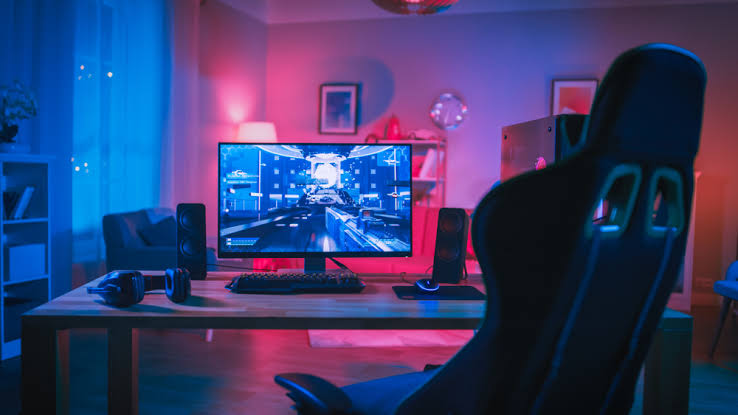
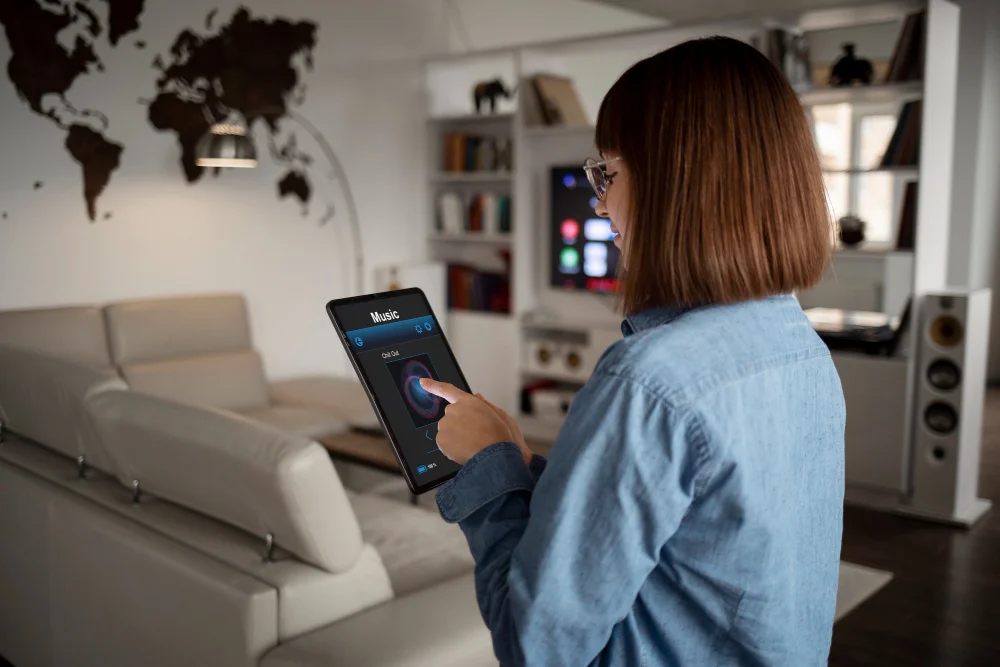
Entertainment is another area where smart technology can improve comfort. A connected television, streaming device, sound system, or smart speaker can bring different forms of entertainment together.
Instead of searching for multiple remotes, you may be able to control compatible devices through one application or voice command.
You can also create a dedicated entertainment routine. For example, one command could dim compatible lights and start a movie on your television.
The goal is convenience. Your entertainment system should be simple enough that everyone in the household can use it without constantly searching for instructions.
12. Use Smart Water Management

Water management is becoming increasingly important for modern households. Smart water technology can help monitor usage and potentially identify unusual activity that may indicate a leak.
A small leak that goes unnoticed can eventually lead to expensive repairs and water waste. Monitoring systems may provide alerts that allow homeowners to investigate unusual consumption sooner.
Smart irrigation systems can also help manage outdoor watering. Depending on the system, watering schedules may be adjusted according to environmental conditions.
This is an excellent example of how smart living can combine comfort with responsible resource management.
13. Design a Smart Home Office
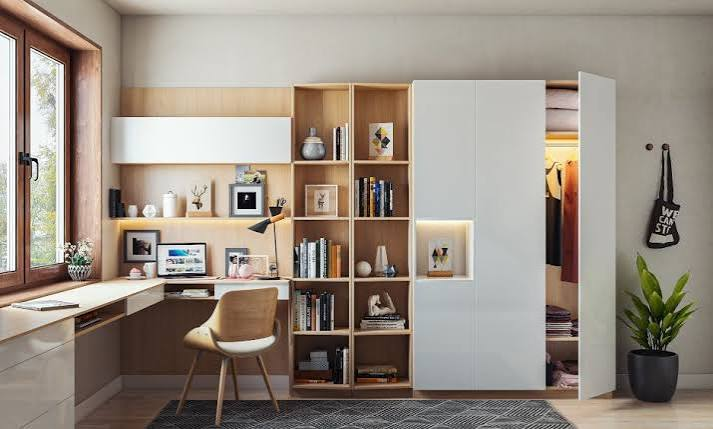
With more people spending time working or studying from home, the home office has become an important part of modern living.
A smart workspace does not have to be complicated. Good lighting, reliable internet, comfortable furniture, organized cables, and convenient device controls can make a noticeable difference.
Smart plugs can help manage desk equipment, while smart lights can provide suitable brightness throughout the day. Voice controls can also be useful for setting timers or reminders without interrupting your work.
The most important part is still ergonomics and organization. Technology should support a comfortable workspace rather than replace the basics.
14. Use Voice Assistants for Everyday Tasks
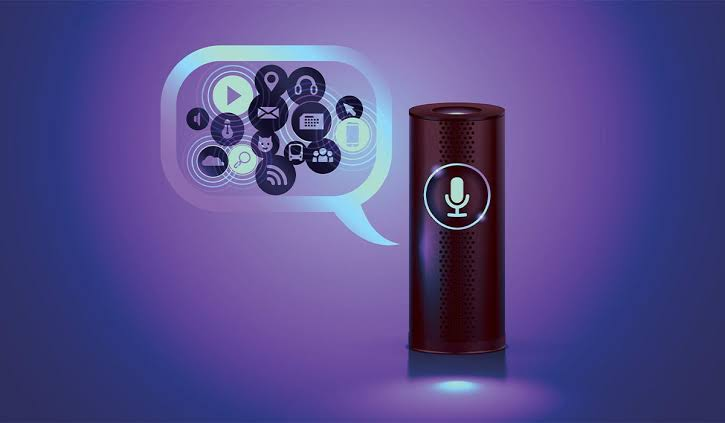
Voice assistants can make small household tasks faster. Depending on the devices you use, you may be able to set reminders, create timers, control compatible lights, play music, or manage other smart home functions using voice commands.
This can be particularly useful when your hands are busy. Imagine cooking dinner and being able to set a timer without touching your phone.
At the same time, privacy should remain a priority. Review your device settings, understand available privacy controls, and only connect services you are comfortable using.
15. Connect Your Smart Home into One Simple System
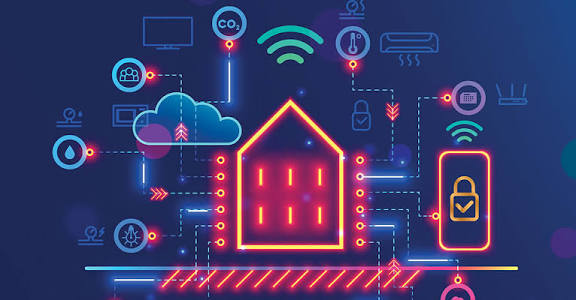
One of the most important smart home ideas for 2026 is creating a system where devices work together instead of operating separately.
Buying several smart products from different ecosystems can sometimes result in multiple apps, accounts, and control methods. That can make a supposedly smart home more complicated.
Before purchasing a new device, check whether it is compatible with the smart home platform and devices you already use.
Think about the complete experience. You want to be able to control your important devices easily and understand how they work.
A truly smart home is not the home with the largest number of gadgets. It is the home where technology quietly works in the background and makes everyday routines easier
The Growing Importance of Digital Balance
One of the biggest lessons of smart technology is that convenience and balance need to exist together.
Technology can help people save time, but it can also consume time. It can improve communication, but constant messages can become stressful. It can provide entertainment, but endless scrolling can make it difficult to disconnect.
Digital balance means deciding when technology is useful and when it is better to step away.
Taking a walk without a phone, having a meal without checking notifications, spending time with family, reading a physical book, or simply sitting quietly can provide valuable breaks from digital stimulation.
The goal is not to reject technology. It is to remain in control of how you use it.
How to Build a Smart Home Without Overspending
Creating a smart home does not have to happen all at once. In fact, starting slowly is often the smarter approach.
Begin with one problem. If you frequently forget to turn off lights, start with smart lighting. A cleaning takes too much time, consider a robot vacuum. If home security is your main concern, start with a suitable security system.
Once you are comfortable with one device, add another that solves a genuine need.
This approach prevents unnecessary spending and helps you understand which technology actually improves your lifestyle.
It is also worth considering long-term costs. A cheap device may not always be the best choice if it has poor software support or limited compatibility. Before buying, consider reliability, security updates, compatibility, warranty, and ease of use.
Smart Living and Sustainability
Smart home technology can also support more responsible living. Automated lights can reduce unnecessary usage, energy monitors can help households understand consumption, and smart water systems can help detect waste.
However, buying more technology does not automatically make a home sustainable. Every electronic product requires materials, energy, packaging, and eventually responsible disposal.
A smarter approach is to buy devices that provide long-term value and use them efficiently. Instead of constantly replacing gadgets with newer models, choose reliable products and keep them in service for as long as practical.
Smart living is ultimately about making better decisions, not simply owning more technology.
The Human Side of a Smart Home
It is easy to become excited about automation and forget what makes a house feel like home.
Technology should support the human side of everyday life. Comfortable furniture, natural light, plants, family photographs, personal decorations, clean spaces, and quiet corners are still essential.
A home does not become better simply because every object is connected to the internet.
The best smart homes combine technology with simplicity. Automation should save time, reduce repetitive tasks, improve security, and increase comfort without making everyday life feel complicated.
Conclusion
Smart technology is changing everyday life in ways that are sometimes obvious and sometimes almost invisible. From the moment people wake up to the time they go to sleep, connected devices and digital services can help with communication, work, shopping, transportation, entertainment, home management, and personal organization.
The real value of smart technology is not having the newest device. It is using technology to make life easier, more efficient, and more enjoyable.
At the same time, people should remember that convenience comes with responsibility. Protecting privacy, checking information, maintaining digital security, and creating time away from screens are just as important as enjoying new technology.
In 2026, the smartest lifestyle is not necessarily the most digital one. It is the one where technology works quietly in the background while people remain in control of their time, attention, relationships, and choices.
FAQs
1. What are the best smart home ideas for 2026?
Smart lighting, security cameras, smart temperature controls, robot vacuums, smart plugs, energy monitoring, automated curtains, and connected entertainment systems are among the most practical smart home ideas for 2026.
2. Is it expensive to create a smart home?
No. You can start with affordable devices such as smart bulbs or smart plugs and gradually expand your system according to your budget and needs.
3. Can smart home devices help save energy?
Yes, certain smart devices can help reduce unnecessary energy use through automation, scheduling, monitoring, and more efficient control of household systems.
4. Are smart home devices safe to use?
Smart devices can be useful, but security should be taken seriously. Use strong passwords, enable available security features, update device software, and purchase products from reputable manufacturers.
5. What should I buy first for a smart home?
Start with the device that solves your biggest everyday problem. Smart lighting, smart plugs, a robot vacuum, or a security device can all be practical starting points depending on your lifestyle.