Style and wellness are no longer two completely separate parts of life. In 2026, the way people dress, care for their skin, manage stress, eat, exercise, and organize their daily routines is becoming part of one bigger idea: living well while feeling confident in your own style. People are increasingly looking for practical ways to look good without spending hours getting ready and feel healthy without following unrealistic routines.
The biggest change is that style and wellness are becoming more personal. Instead of copying every trend seen on social media, people are choosing clothes that fit their lifestyle, beauty routines that suit their skin, workouts they actually enjoy, and wellness habits they can maintain. This shift is making the 2026 style and wellness scene more realistic, comfortable, and focused on long-term habits.
From minimalist fashion and wellness-inspired beauty to mindful routines, functional clothing, better sleep habits, and digital wellness, this year’s trends are all about balance. You do not need a completely new wardrobe or an expensive wellness membership to participate. Small changes can make a noticeable difference in how you look, feel, and move through your day.
The Rise of Effortless Personal Style
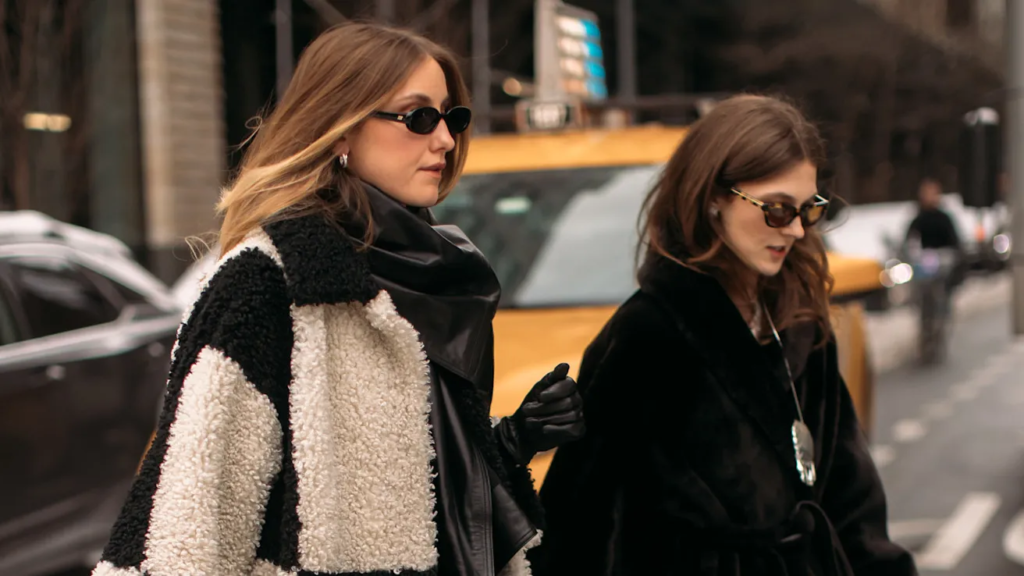
One of the strongest style trends in 2026 is effortless dressing. People are moving away from complicated outfits that require too much planning and choosing pieces that can work in several situations. The idea is simple: your clothes should make your day easier rather than create extra work.
Neutral colors, comfortable silhouettes, clean designs, relaxed tailoring, and versatile basics are becoming important parts of everyday wardrobes. A simple shirt can be styled with trousers for work, denim for a casual outing, or layered under a jacket for an evening look. This approach allows people to create more outfits without constantly buying new clothes.
Personal style is also becoming more important than following a particular aesthetic. Someone might combine classic clothing with sporty footwear, traditional pieces with modern accessories, or minimal outfits with one bold statement item. This freedom makes fashion feel more individual and less restrictive.
The most useful style rule for 2026 is to understand what works for you. Instead of asking, “Is this trending?” ask, “Does this suit my lifestyle, personality, and comfort?” That small change can make shopping more intentional and your wardrobe much more useful.
Wellness-Inspired Beauty Is Becoming Mainstream
Beauty routines are also changing. The traditional idea of covering imperfections with multiple products is increasingly being balanced with a healthier approach to skin and self-care. People are paying more attention to skin health, hydration, sun protection, sleep, and stress management.
This does not mean makeup is disappearing. Instead, makeup is becoming more flexible. Natural-looking skin, lightweight products, soft colors, and simple everyday routines are popular because they allow people to feel polished without looking overly made up.
The wellness approach to beauty also encourages people to understand their individual needs. Skincare is not about buying every product available. A simple routine that includes appropriate cleansing, moisturizing, and sun protection can be more practical than a shelf full of products that are rarely used.
There is also growing interest in beauty rituals as moments of relaxation. Applying skincare slowly, taking a few minutes for facial massage, or creating a calm evening routine can make beauty feel less like a chore and more like personal time.
Comfortable Fashion Is Getting Smarter
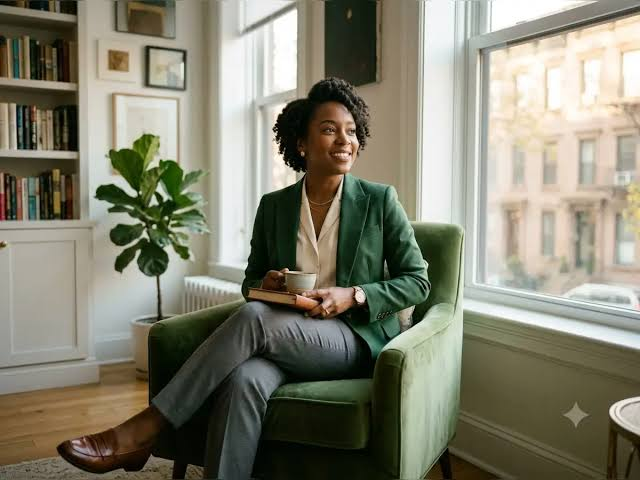
Comfort remains a major influence on fashion in 2026, but comfort does not mean sacrificing style. Clothing designers and consumers are finding ways to combine functionality with attractive design.
Stretch fabrics, relaxed trousers, lightweight layers, breathable materials, supportive footwear, and versatile outerwear are increasingly useful for modern lifestyles. People want clothes that can move with them during long workdays, travel, social events, and everyday activities.
This trend is especially noticeable in the connection between fashion and fitness. Athleisure continues to influence everyday wardrobes, but the look is becoming more polished. A comfortable pair of sneakers may be worn with trousers, while a sporty jacket can be combined with a simple casual outfit.
The result is a wardrobe that supports movement without making someone look as though they are heading directly to the gym.
Mindful Wellness Is More Important Than Extreme Routines
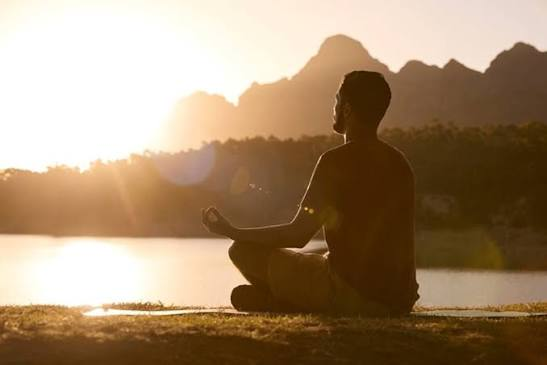
Wellness content online can sometimes make healthy living look complicated. Elaborate morning routines, intense exercise schedules, strict diets, and expensive products can create unrealistic expectations.
In 2026, mindful wellness is becoming a more practical alternative. Instead of trying to change everything at once, people are focusing on habits that can realistically fit into their daily lives.
A short walk after work, drinking enough water, maintaining a regular sleep schedule, taking breaks from screens, spending time outdoors, or practicing a few minutes of breathing exercises can all become meaningful habits.
The important point is consistency. A simple routine followed regularly is usually more useful than an impressive routine that lasts only a few days.
Wellness is also becoming less about perfection. Missing a workout or eating an indulgent meal does not mean a healthy lifestyle has failed. A balanced approach allows people to enjoy life while still making choices that support their overall well-being.
Sleep Is Becoming a Major Lifestyle Priority
Sleep is receiving much more attention as people recognize how strongly it affects daily life. Poor sleep can influence mood, concentration, energy, productivity, and motivation, making it difficult to maintain other healthy habits.
The 2026 wellness conversation increasingly treats sleep as a foundation rather than something that can be sacrificed for productivity. Creating a consistent bedtime, reducing unnecessary screen time before sleeping, keeping the bedroom comfortable, and developing a relaxing nighttime routine can help support better sleep habits.
The style and wellness connection can even appear here. Comfortable sleepwear, relaxing bedroom environments, soft lighting, and calming evening rituals can turn bedtime into a more enjoyable part of the day.
Rather than looking for a magical sleep solution, the focus is moving toward creating an environment and routine that make rest easier.
Functional Wellness Is Growing
Another important trend is functional wellness. People are becoming more interested in wellness products and habits that solve practical everyday problems.
This can include comfortable footwear for walking, ergonomic workspaces, reusable water bottles, fitness trackers, supportive clothing, meal-preparation tools, and products designed to make daily routines easier.
The same principle applies to fashion. A stylish bag is more useful when it has enough space for everyday essentials. A jacket becomes more valuable when it works across different weather conditions. Shoes are more practical when they look good while remaining comfortable enough for long periods of walking.
This focus on function is changing consumer behavior. People are increasingly asking whether something will genuinely improve their everyday life before spending money on it.
Digital Wellness Is Becoming Essential
Technology is deeply connected to modern lifestyles, but constant connectivity can also become exhausting. Notifications, social media, emails, streaming services, and endless scrolling can make it difficult to disconnect.
Digital wellness is therefore becoming an important part of the broader wellness conversation in 2026.
One of the easiest approaches is to create boundaries around technology. You might decide not to check social media immediately after waking up, keep your phone away during meals, disable unnecessary notifications, or create a screen-free period before bedtime.
Digital wellness does not mean completely avoiding technology. Technology can support wellness through fitness tracking, meditation apps, online workouts, health reminders, and digital planning tools. The goal is to use technology intentionally instead of allowing it to control your attention.
Sustainable Style Continues to Influence Shopping
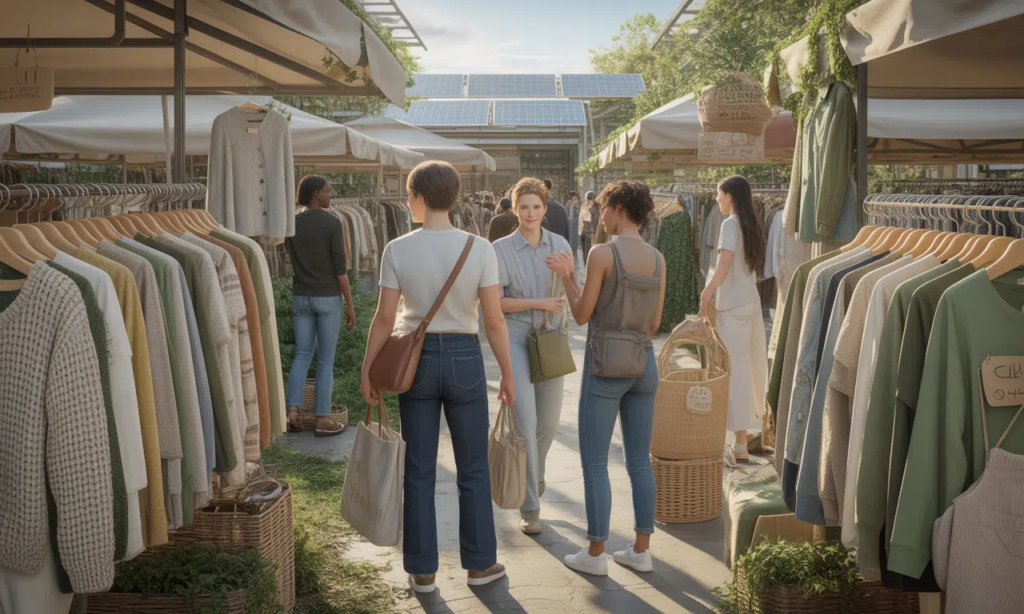
Sustainability remains an important consideration for modern fashion consumers. People are becoming more thoughtful about how often they buy clothes, how long they expect them to last, and whether a purchase can be styled in multiple ways.
Building a smaller but more versatile wardrobe can reduce unnecessary shopping. Choosing durable pieces, repairing clothing, donating items responsibly, and exploring secondhand fashion can also make a wardrobe more sustainable.
Sustainable style does not have to mean buying only expensive eco-friendly products. Sometimes the most sustainable choice is simply using what you already own for longer.
This approach can also save money. When consumers stop buying clothing simply because something is temporarily popular, they may discover that their existing wardrobe has far more possibilities than they realized.
Wellness Is Becoming More Social
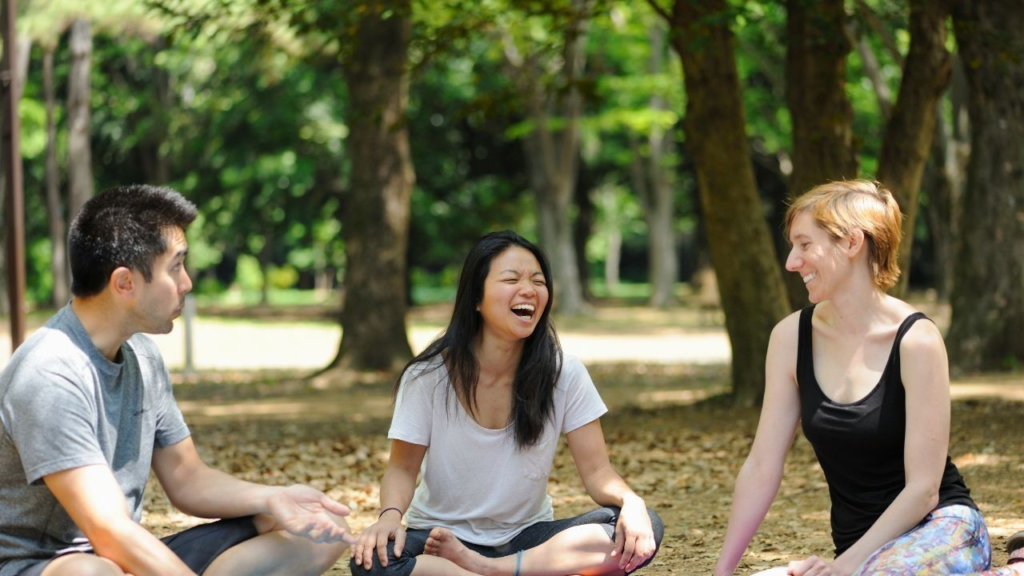
Wellness used to be presented as something people did alone, but social wellness is becoming increasingly important. Spending meaningful time with friends and family, participating in community activities, joining walking groups, taking classes, or simply having regular conversations can support emotional well-being.
People are recognizing that feeling connected is an important part of a healthy lifestyle. A weekend walk with friends can provide movement, fresh air, conversation, and relaxation at the same time.
This is one reason group fitness, recreational activities, wellness communities, and social hobbies continue to attract attention. They make healthy habits more enjoyable because people are not doing them alone.
Nutrition Is Moving Toward Balance
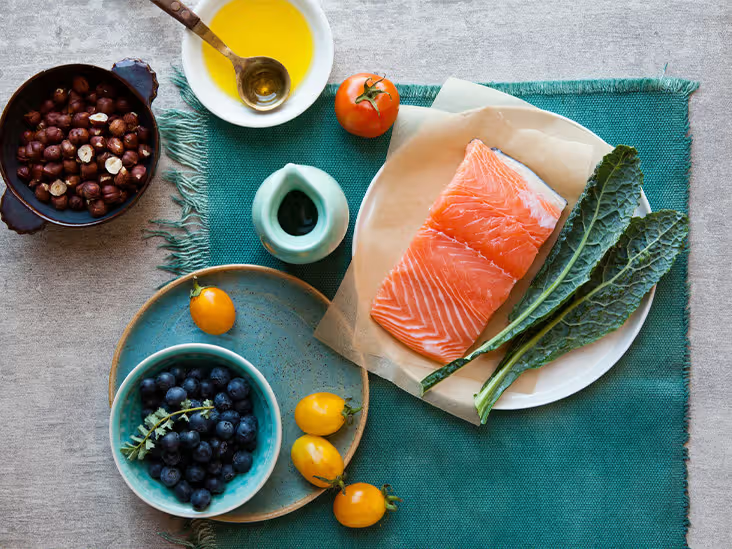
Food trends are also becoming more realistic. Instead of focusing only on restrictive diets, many people are interested in balanced eating patterns that include a variety of foods.
The emphasis is increasingly on nutritious everyday meals, adequate protein, fruits and vegetables, whole grains, hydration, and sensible portions. At the same time, there is room for favorite foods and occasional treats.
This balanced approach is easier to maintain because it does not make people feel as though they have to completely eliminate foods they enjoy.
Meal preparation is another practical trend. Preparing a few ingredients in advance can make it easier to choose nutritious meals during busy days instead of relying entirely on last-minute options.
Fitness Is Becoming More Enjoyable
Exercise trends are moving beyond the idea that fitness must mean spending hours in a gym. Walking, cycling, yoga, dancing, swimming, recreational sports, strength training, and home workouts are all ways people can stay active.
The biggest wellness trend here is choosing movement that you genuinely enjoy.
Someone who dislikes running does not need to force themselves to run every morning. They might enjoy dancing, walking, cycling, or strength training instead. The best activity is often the one you are willing to continue.
Short workouts are also attractive for busy lifestyles. A focused workout can be easier to fit into a schedule than a long session, especially for people balancing work, family, education, and personal responsibilities.
Beauty and Fashion Are Becoming More Inclusive
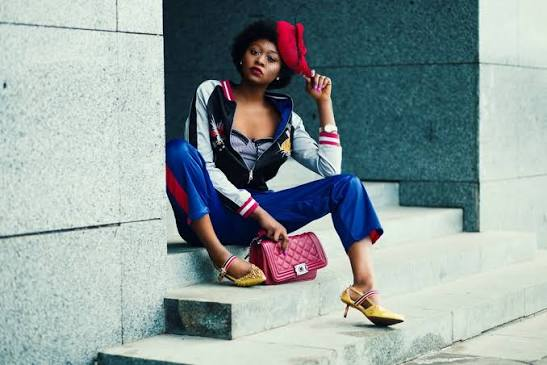
Another positive development in style and wellness is the growing focus on individuality and inclusion. People increasingly want fashion and beauty products that recognize different body types, skin tones, ages, lifestyles, and personal preferences.
The idea of one universal beauty standard is becoming less relevant. Instead, confidence is increasingly connected to finding products, colors, clothing shapes, and routines that make an individual feel comfortable.
This creates a more realistic relationship with style. Fashion can be a form of self-expression rather than a constant attempt to look like someone else.
Small Daily Habits Are Defining Wellness in 2026
Perhaps the most useful trend of all is the move toward small, repeatable habits. You do not need to completely redesign your life to improve your wellness.
You could start the morning with a glass of water, spend a few minutes stretching, take a short walk, prepare a balanced meal, organize your clothes the night before, or put your phone away while having dinner.
These actions may seem small, but they can make everyday life feel more organized and intentional.
The same philosophy works for personal style. Rather than replacing your entire wardrobe, you can identify the clothes you actually wear, remove items that no longer work for you, and add a few versatile pieces that complement what you already own.
How to Build Your Own Style and Wellness Routine
The best 2026 trends are not necessarily the ones that receive the most attention online. They are the ones that fit your real life.
Start by looking at your current routine. Think about what makes you feel confident, what makes you feel comfortable, and where you regularly experience stress or inconvenience. From there, choose small changes.
For style, focus on versatility and personal expression. For wellness, focus on sleep, movement, nutrition, relationships, and mental breaks. For digital life, create boundaries that protect your attention.
Most importantly, avoid turning wellness into another source of pressure. Your routine does not have to look perfect on social media. A healthy lifestyle should make life feel more manageable, not more complicated.